




New Legislation Calls for Disclosure of Dangerous Flooded and Wrecked Vehicles
WASHINGTON, D.C. – Efforts by the National Automobile Dealers Association (NADA) to make America's roadways safer by protecting consumers from purchasing flood and salvage vehicles took a step forward when a senior lawmaker introduced legislation (S. 3707), which would require insurance companies to make total-loss information commercially available to the public.
WASHINGTON, D.C. – Efforts by the National Automobile Dealers Association (NADA) to make America’s roadways safer by protecting consumers from purchasing flood and salvage vehicles took a step forward when a senior lawmaker introduced legislation (S. 3707), which would require insurance companies to make total-loss information commercially available to the public. Approximately 5 million vehicles were totaled by insurance companies last year due to extensive damage, flooding, or theft. But thousands of these totaled vehicles are rebuilt and then sold, with clear titles, to unsuspecting customers. This problem grew dramatically worse with the estimated 500,000 vehicles damaged by Hurricane Katrina. There is evidence that many of these flood-damaged vehicles are now returning to the marketplace. The bill’s sponsor, Mississippi Senator Trent Lott, chairman of the Surface Transportation Subcommittee of the Senate Commerce Committee, noted in his weekly column that his legislation “will make available to consumers information about automobiles declared a ‘total loss’ by insurance companies. This legislation is particularly needed in Katrina’s wake, but it’s hardly a new problem. Even without the influx of Katrina-damaged cars, thousands of wrecked, flooded, or stolen automobiles are sold every year with clean titles to unsuspecting consumers.” The NADA-supported approach uses existing technology to focus on Vehicle Identification Numbers (VINs) of totaled vehicles. This approach is preferable to enacting a uniform national salvage title. The solution requires auto insurance companies to make commercially available the following VIN-based information they already collect: date of total loss, primary reason for total loss (i.e., damaged, flooded, stolen), and the odometer reading on the date of total loss. None of this VIN-based data would include any personal identifiers protected by federal and state privacy laws. Despite repeated attempts to curb salvage title fraud, this problem persists because state motor vehicle titling laws are confusing and incomplete. No public database exists to ‘red flag’ all of the problem vehicles. Buyers do not have enough timely access to title data at DMVs or total-loss data at insurance companies.
More Operations
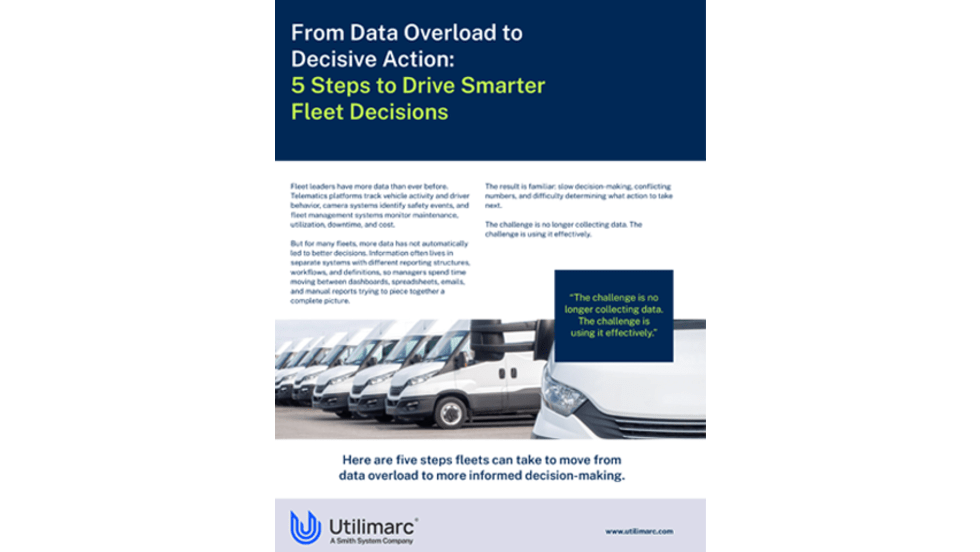
Turn Fleet Data Into Smarter Decisions
Fleet leaders have access to more operational data than ever, but disconnected systems and unclear metrics often slow decision-making instead of improving it. This article outlines five practical steps fleets can take to transform fragmented data into actionable insights that improve planning, safety, utilization, and long-term performance.
Read More →
Hybrids: Electrification Without the Challenges
For fleet managers, fuel is one of the biggest line items in the budget — and it's one hybrids can shrink without changing how your people work. Download the eBook to see the numbers, understand the technology, and get a step-by-step guide to making the switch.
Read More →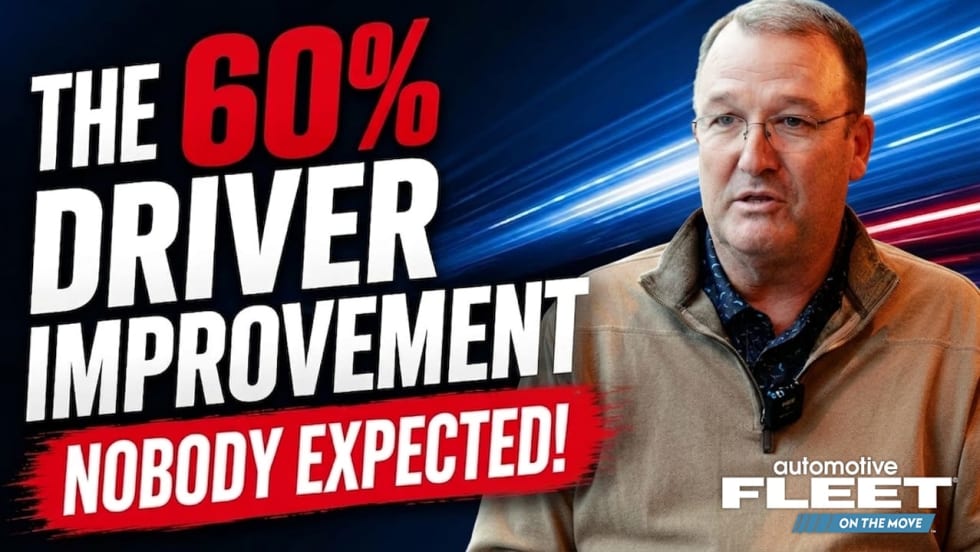
How NOV Uses Telematics to Improve Fleet Safety Across 160 Locations
James Victory of NOV discusses how the company manages fleet safety, maintenance, and telematics across more than 150 locations supporting oilfield operations throughout the U.S.
Read More →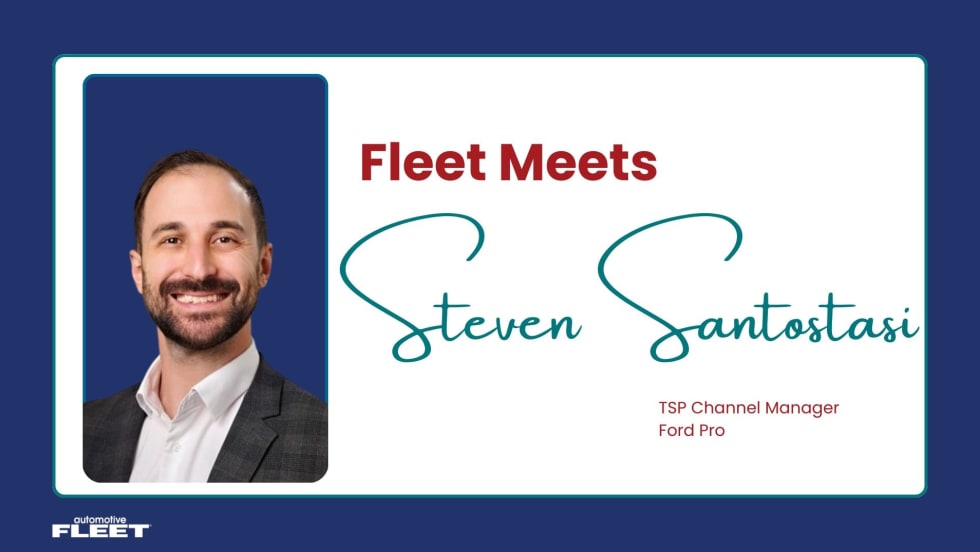
Fleet Meets: Steven Santostasi
This edition of the Fleet Meets series features Steven Santostasi, the current TSP channel manager for Ford Pro.
Read More →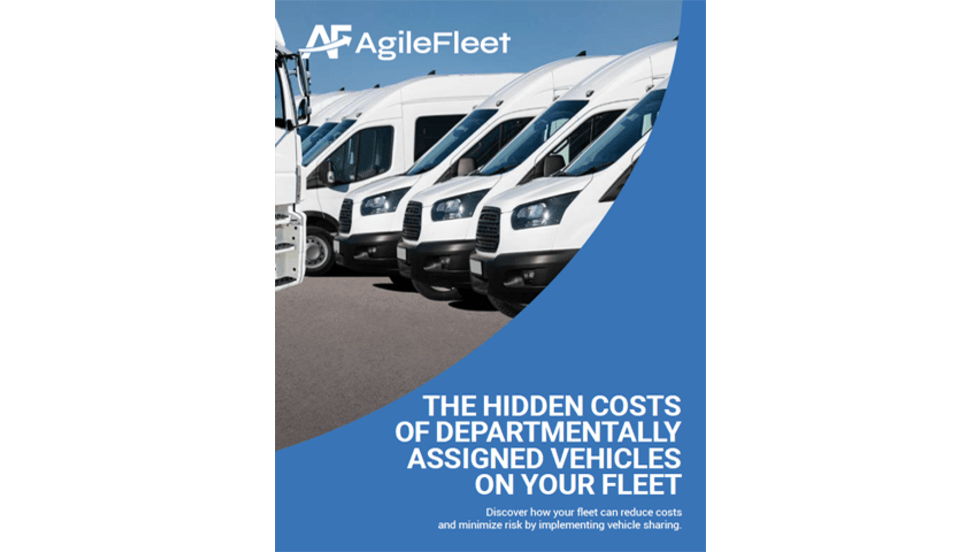
Why Fleet Managers Are Replacing Departmental Vehicles with Shared Motor Pools
Departmentally assigned vehicles often create hidden costs through underutilization, poor visibility, and increased administrative burden. This white paper explores how shared motor pool strategies help fleets reduce costs, improve accountability, and optimize vehicle utilization.
Read More →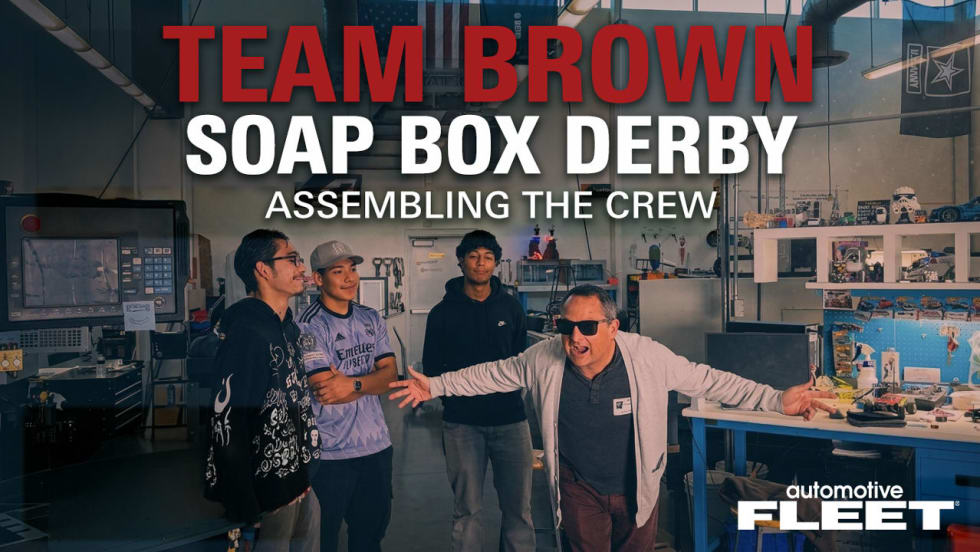
Soap Box Derby Challenge: Assembling the Crew
Meet Gabriel, Matthew, and Angel — the team helping bring this soap box derby build to life.
Read More →
BBL Fleet Acquires Velcor Leasing Corporation
BBL Fleet expanded its footprint in the fleet management industry with the acquisition of Velcor Leasing Corporation of Madison through a stock purchase agreement finalized Feb. 27, 2026.
Read More →
Lytx Introduces New AI Fleet Technologies at Protect 2026
The company introduced new AI-driven fleet safety and operations technologies during its annual user conference.
Read More →
Fleet Costs Are Rising: Here’s How Leaders Are Responding
Fleet leaders are under pressure to reduce costs, adapt to economic uncertainty, and make smarter decisions. See how peers across North America are responding with real data, proven strategies, and forward-looking insights. Download the 2026 Market Pulse Report to benchmark your strategy and uncover where you can gain an edge.
Read More →
From Waffle House to AI: Fleet Trends You Need to Know
In this AF news recap, host Faith Howell covers how Waffle House stepped up during disaster response and new AI tech on the market.
Read More →