




New In-Vehicle Technology Targets Habitual Drunk Drivers
WALTHAM, MA - U.S. Transportation Sec. Ray LaHood and National Highway Traffic Safety Administrator David Strickland on Jan. 28 took a first look at new Driver Alcohol Detection System for Safety (DADSS) technology being developed to prevent alcohol-impaired drivers from operating their vehicles while under the influence.
WALTHAM, MA - U.S. Transportation Sec. Ray LaHood and National Highway Traffic Safety Administrator David Strickland on Jan. 28 took a first look at new Driver Alcohol Detection System for Safety (DADSS) technology being developed to prevent alcohol-impaired drivers from operating their vehicles while under the influence.
LaHood and Strickland were joined by Shane Karr, vice president for federal government affairs at the Alliance of Automobile Manufacturers, and Laura Dean Mooney, national president of Mothers Against Drunk Driving (MADD), for a demonstration of DADSS technology at the QinetiQ lab where it is under development in Waltham, Mass.
While still in the developmental stages, DADSS is seen as a potential tool for keeping drunk drivers from being able to operate their car if their blood-alcohol concentration is at or above the legal intoxication limit (.08 BAC or higher). The technology could be voluntarily installed as an option for new cars. One system under evaluation determines the blood-alcohol concentration through a touch-based approach and another system uses a breath-based approach.
NHTSA research shows that drivers involved in fatal accidents with blood-alcohol levels above the .08 legal limit are eight times more likely to have had a prior conviction for impaired driving than drivers who had no alcohol in their bodies at the time of a wreck.
"Drunk driving continues to be a national tragedy that needlessly claims the lives of thousands of people on our highways each year," said LaHood. "We need to put an end to it."
MADD President Laura Dean-Mooney, who was left a widow and single mother when a drunk driver killed her husband, Mike Dean, welcomed the progress of the DADSS research effort. "Auto makers have stepped up to help turn cars into the cure," she said. "This project has made substantial progress and this technology could one day be an important step in our efforts to eliminate drunk driving."
DADSS is being developed under a five-year, $10 million cooperative initiative between NHTSA and the Automotive Coalition for Traffic Safety (ACTS), an industry group representing most of the world's auto makers.
"What we're doing is developing technology that won't interfere with sober drivers, will require virtually no maintenance or upkeep and will have such precision that it only stops a driver when their blood-alcohol content is .08 BAC or higher, which is the illegal limit for drunk driving in every state," said Shane Karr. "Now that we have actual prototypes, a tremendous feat in itself, we'll be working to identify the gaps in performance between these prototypes and the precise standards we've identified as true technology requirements. This will point the way forward for the next phase of research."
"The technology we are seeing here today could quite simply signal a new frontier in the fight against drunk driving," said Strickland.
The next stage of development, which would include practical demonstrations of one or more of the alcohol detection technologies, could begin later this year.
"Whatever the future holds for these advanced drunk driving prevention technologies, one thing remains clear; no technology can, or should, ever replace a driver's personal responsibility not to drive drunk," Strickland said.
In 2009, 10,839 people died nationwide in crashes involving a drunk driver. These deaths make up 32 percent of all fatal crashes.
More Safety

How Camera Data Can Strengthen a Fleet’s Insurance Renewal
Insights from a commercial insurance carrier and a broker show how fleets can turn video telematic data, driver coaching, and improved claims results into a stronger case at insurance renewal.
Read More →
The Safest Fleets Aren’t the Ones with the Most Technology
You’ve made the telematics investment. Here’s how to capture the other half of its value and build the safest fleet on the road.
Read More →
Hidden in Plain Sight: Fleet Compliance Risks
Fleet compliance isn't just about having policies — it's about consistently enforcing them. This practical guide reveals six hidden compliance risks common in public sector and shared fleet operations and outlines proven strategies to improve visibility, accountability, and audit readiness
Read More →
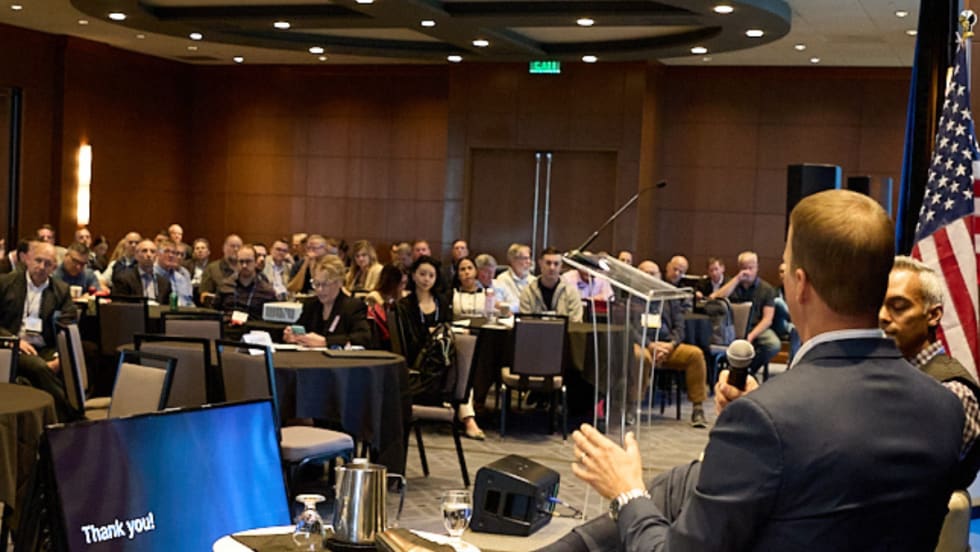
NETS Sets 2026 Fleet Safety Benchmark Conference for Indianapolis
The Sept. 15–17 program will feature fleet benchmarking data, case studies, emerging technologies, and implementation strategies while running alongside the NSC Safety Congress & Expo.
Read More →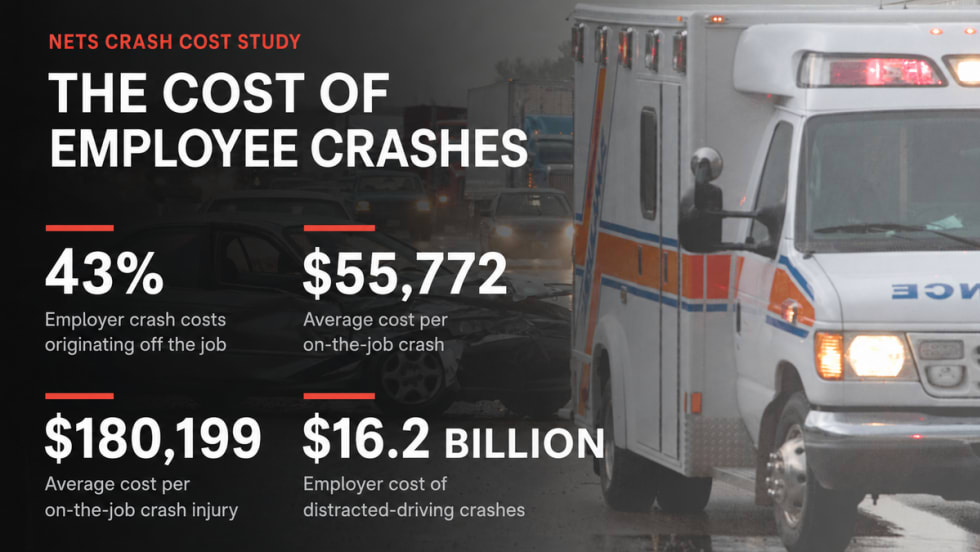
Off-the-Job Crashes Account for 43% of Employers’ $61.7 Billion Crash Burden
NETS quantifies costs dispersed across fleet, risk, HR, and other departments while providing new per-crash benchmarks for employers.
Read More →
Ram Recalls More Than 1.27 Million 1500 Pickups for Seat Belt Anchor Issue
The recall affects certain 2019-2026 Ram 1500 pickups that may have improperly attached second-row seat belt buckle anchors.
Read More →
How Better Visibility Cut Speeding Violations by 48%
Fleet leaders don't need more data, they need clearer visibility into what the data is saying. This case study explores how one utility replaced speeding-event counts with a single metric — miles driven in violation — to strengthen safety and significantly reduce speeding violations.
Read More →
Operation Safe Driver Week: Why the Industry's Oldest Safety Campaign Still Matters to Fleets
A look at how a 2007 enforcement initiative became one of the most consequential weeks on the fleet safety calendar, and what it means for your drivers in 2026.
Read More →
Nexar-Nauto Merger Aims to Give Fleets Better Safety Intelligence Through Larger Driving Dataset
Stefan Heck tells Automotive Fleet that combining more than 10 billion miles of driving history with Nexar's AI models will give fleets deeper insights into driver risk and roadway conditions than either company could provide independently.
Read More →
From Silos to Solutions: Relationship Management for Safer Fleets
From telematics adoption and driver accountability to policy consistency and risk mitigation, this episode breaks down what it really takes to build a safer fleet culture without slowing business down.
Read More →