




New Fuel Tank Requirements For Automakers Part Of Effort To Reduce Post-Crash Deaths
Federal regulators, in a bid to cut the number of lives lost in post-crash fires each year, ordered automakers to adopt stronger fuel tanks capable of preventing leaks during crashes at higher speeds, the Detroit News reported on December 1.
Federal regulators, in a bid to cut the number of lives lost in post-crash fires each year, ordered automakers to adopt stronger fuel tanks capable of preventing leaks during crashes at higher speeds, the Detroit News reported on December 1. Automakers will have to start meeting the new rules in the 2005-model year. The requirements will be fully phased in by 2009. Under current rules, vehicles must pass a two-part test to be certified for fire crash-worthiness. Cars and trucks are struck from behind by a flat, rigid barrier at 30 mph. They are also struck on the side at 20 mph. After the crashes, the vehicles are checked for fuel leakage. The new test will replace the flat, rigid barrier with a lighter, deformable barrier that more closely resembles a car's front end and bumper. The rear-impact test will be conducted at 50 mph. The side test will be performed at 33.5 mph. NHTSA estimates 46 percent of the cars and trucks on the road today would fail the new tests. To pass, vehicles may not spill more than a few ounces of fuel after they are struck from behind by a barrier similar to a vehicle's front end. A vehicle won't pass the new test if it spills one ounce of fuel during the crash, 5 ounces in the five minutes after the crash, or 1 ounce during any one-minute interval for 25 minutes after the crash. Vehicle fires due to fuel tank leaks are relatively rare, occurring in less than one percent of vehicles that are towed from crashes, the government said. But when they do happen, they usually are severe.
More Operations
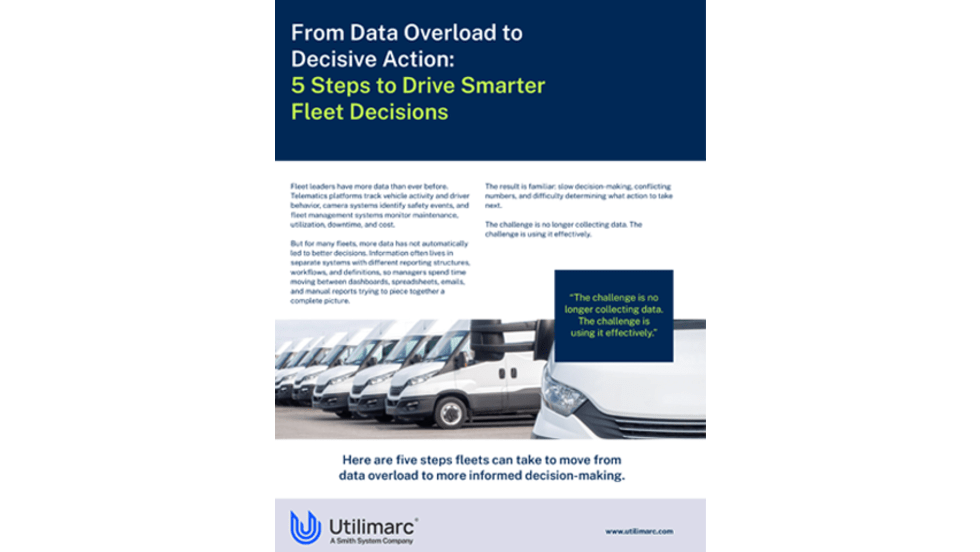
Turn Fleet Data Into Smarter Decisions
Fleet leaders have access to more operational data than ever, but disconnected systems and unclear metrics often slow decision-making instead of improving it. This article outlines five practical steps fleets can take to transform fragmented data into actionable insights that improve planning, safety, utilization, and long-term performance.
Read More →
Hybrids: Electrification Without the Challenges
For fleet managers, fuel is one of the biggest line items in the budget — and it's one hybrids can shrink without changing how your people work. Download the eBook to see the numbers, understand the technology, and get a step-by-step guide to making the switch.
Read More →
How NOV Uses Telematics to Improve Fleet Safety Across 160 Locations
James Victory of NOV discusses how the company manages fleet safety, maintenance, and telematics across more than 150 locations supporting oilfield operations throughout the U.S.
Read More →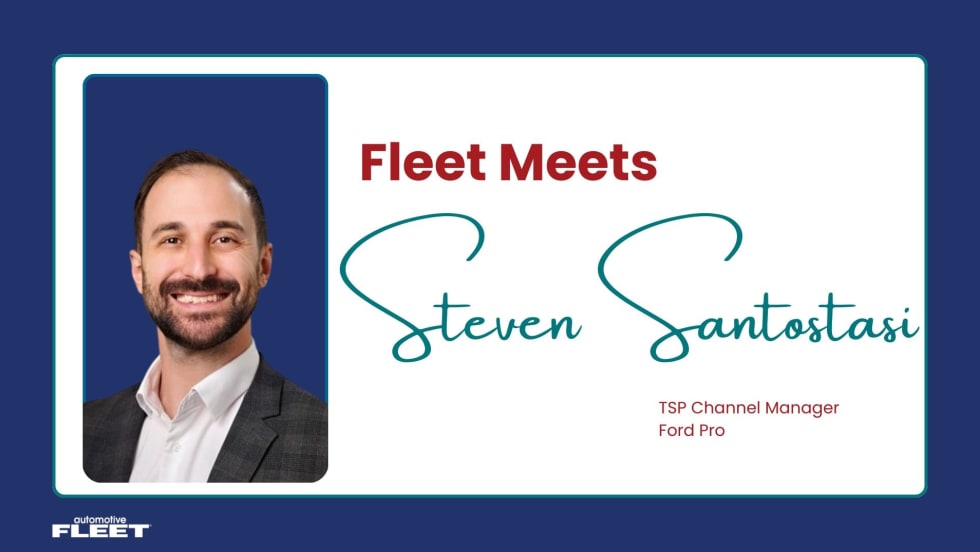
Fleet Meets: Steven Santostasi
This edition of the Fleet Meets series features Steven Santostasi, the current TSP channel manager for Ford Pro.
Read More →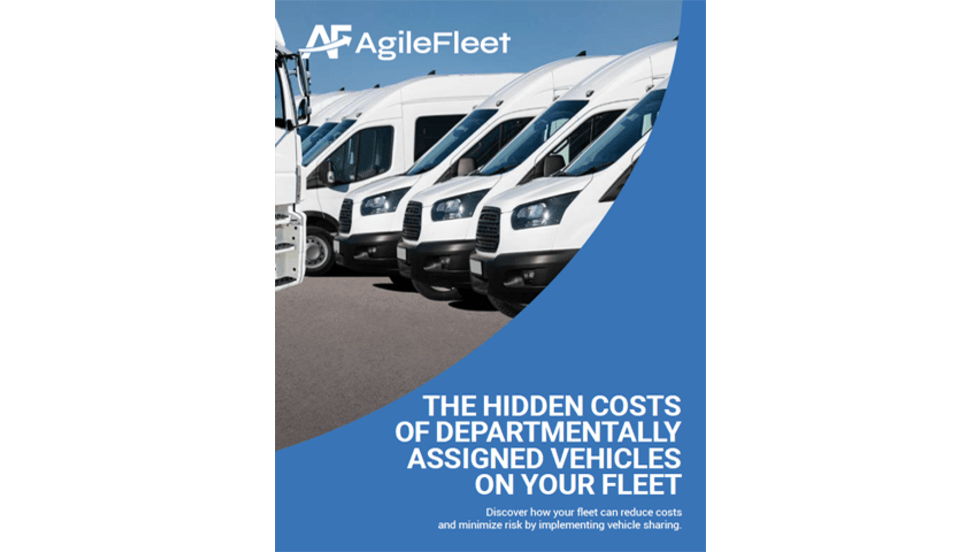
Why Fleet Managers Are Replacing Departmental Vehicles with Shared Motor Pools
Departmentally assigned vehicles often create hidden costs through underutilization, poor visibility, and increased administrative burden. This white paper explores how shared motor pool strategies help fleets reduce costs, improve accountability, and optimize vehicle utilization.
Read More →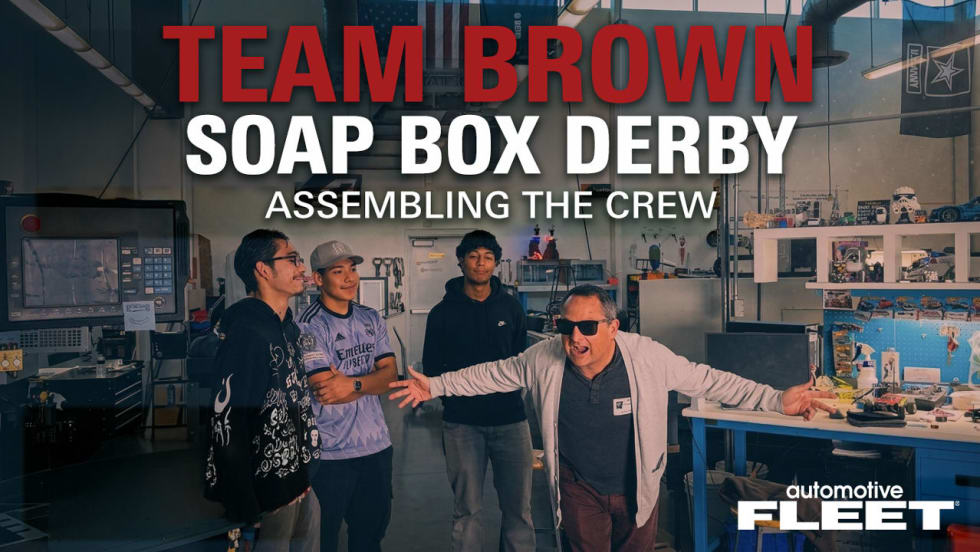
Soap Box Derby Challenge: Assembling the Crew
Meet Gabriel, Matthew, and Angel — the team helping bring this soap box derby build to life.
Read More →
BBL Fleet Acquires Velcor Leasing Corporation
BBL Fleet expanded its footprint in the fleet management industry with the acquisition of Velcor Leasing Corporation of Madison through a stock purchase agreement finalized Feb. 27, 2026.
Read More →
Lytx Introduces New AI Fleet Technologies at Protect 2026
The company introduced new AI-driven fleet safety and operations technologies during its annual user conference.
Read More →
Fleet Costs Are Rising: Here’s How Leaders Are Responding
Fleet leaders are under pressure to reduce costs, adapt to economic uncertainty, and make smarter decisions. See how peers across North America are responding with real data, proven strategies, and forward-looking insights. Download the 2026 Market Pulse Report to benchmark your strategy and uncover where you can gain an edge.
Read More →
From Waffle House to AI: Fleet Trends You Need to Know
In this AF news recap, host Faith Howell covers how Waffle House stepped up during disaster response and new AI tech on the market.
Read More →