Automotive Fleet
MenuMENU
SearchSEARCH

New Ford Test for Hybrid Batteries Simulates 10-Year Use in 10 Months

DEARBORN, MI – Ford is putting the equivalent of 10 years and 150,000 miles of wear and tear on hybrid vehicle batteries using a new lab test that takes less than one year to complete.

by Staff
December 19, 2012
3 min to read


DEARBORN, MI – Ford is putting the equivalent of 10 years and 150,000 miles of wear and tear on hybrid vehicle batteries using a new lab test that takes less than one year to complete, according to the automaker.

Ford designed a new test – the Key Life Test – specifically for its new lithium-ion (li-ion) batteries. The test allows engineers to simulate in a lab setting many factors, including location of a battery within a vehicle, the temperatures they might have to endure, and various kinds of acceleration and stopping that different drivers would apply. The scope of the testing also includes the ability to put 150,000 miles (the equivalent of about 10 years of average use) on the test batteries in about 10 months.

Ad Loading...

The Key Life Test aims at delivering higher-quality and even more reliable batteries, said Kevin Layden, director of Ford Electrification Programs.

In fact, battery reliability ranks as the single-most important purchase consideration by potential hybrid customers – topping 17 other factors such as fuel economy and number of safety features, according to a recent Ford-commissioned survey.

“Recent studies show consumers are keeping their vehicles longer, and regulations in some regions now require batteries to carry warranties for greater distances,” Layden said. “Fortunately, our tests take into account distances and conditions that go way beyond those normal requirements.”

Ford will offer five electrified vehicles by 2013 – all equipped with advanced li-ion batteries. Previous-generation vehicles from Ford’s lineup featured nickel-metal-hydride (NiMH) batteries. Li-ion batteries offer numerous benefits – including a size 25 to 30 percent smaller, and the ability to provide about three times the amount of power per cell than the previous state-of-the-art NiMH battery technology, according to Ford.

Other battery tests include simulating hot and sunny Phoenix weather by subjecting batteries to greater than 140-degree Fahrenheit temperatures, extreme cold conditions in Manitoba, Canada with frigid -40-degree Fahrenheit tests, and by driving vehicles equipped with the batteries through ditches filled with water to ensure there are no issues.

Ad Loading...

Ford’s experience with hybrid vehicle technology dates back to the late 1980s. The technology evolved quickly, resulting in limited release of the Ranger EV in 1998, the Escape Hybrid in 2004 and the Fusion Hybrid in 2009. Ford draws on these vast amounts of data it collected from previous-generation hybrids.

For example, 50 million battery cells have been produced since 2004 in previous-generation production Ford hybrid vehicles such as the Escape Hybrid and Fusion Hybrid. Some have been deployed in taxi fleets in such cities as San Francisco and New York, with some taxi vehicles attaining more than 250,000 miles individually and taxi fleets in California alone attaining a total of nearly 100 million miles.

The success rate is stellar: Of all Ford production hybrid vehicles produced to date, only six battery cells have failed of the 50 million that were put into use, reported the automaker.

“We can’t do an apples-to-apples comparison between the nickel-metal-hydride and lithium-ion batteries,” said Mazen Hammoud, chief engineer, Electrified Powertrain Systems. “But, we can evaluate much of the data collected to see how hybrid vehicles are driven, the kinds of conditions they face and the demands that are placed on them. Knowing all of that helps us benchmark our tests and ensure the lithium-ion batteries are meeting or exceeding expectations.”


More Green Fleet

SponsoredMay 15, 2026

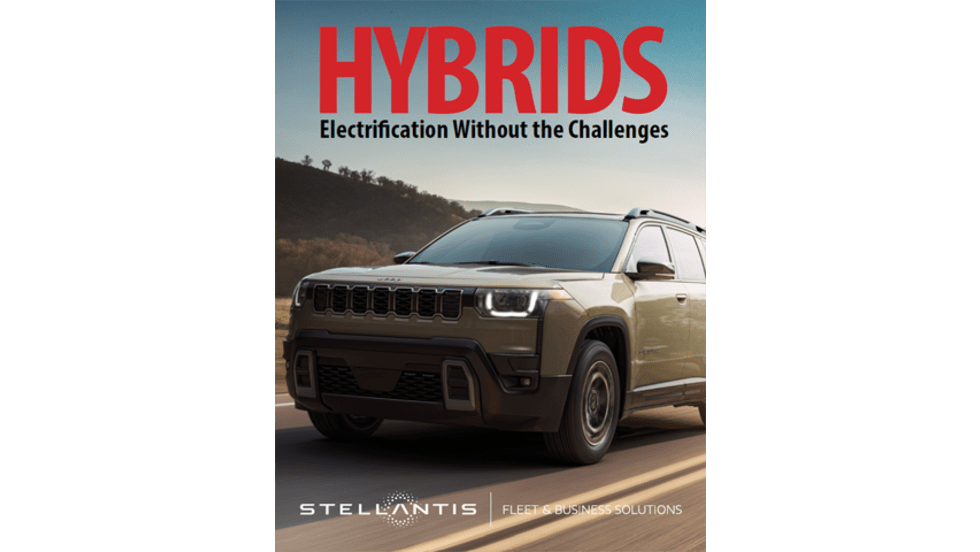
Hybrids: Electrification Without the Challenges

For fleet managers, fuel is one of the biggest line items in the budget — and it's one hybrids can shrink without changing how your people work. Download the eBook to see the numbers, understand the technology, and get a step-by-step guide to making the switch.

Read More →
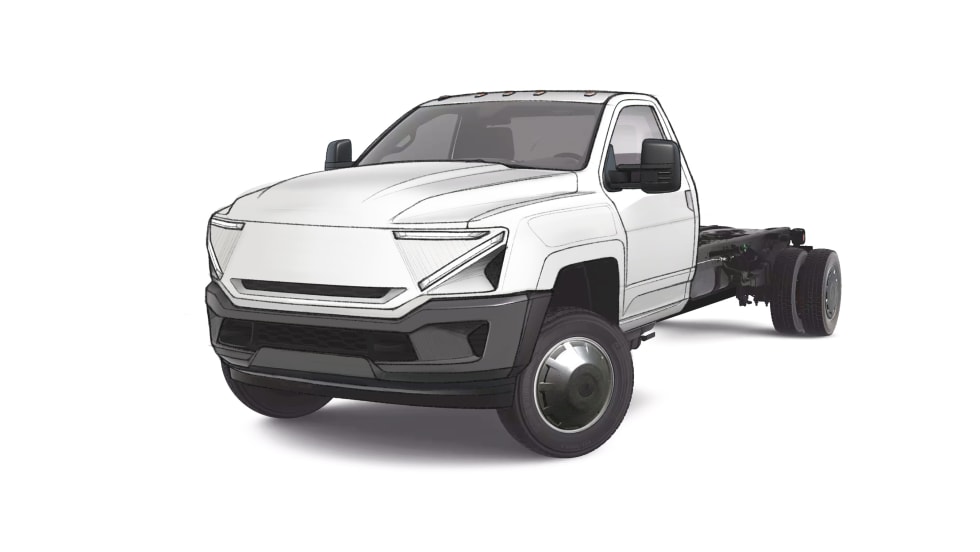
Sketch of chassis cab truck.
Green Fleetby Chris BrownMarch 9, 2026

Startup ZMD Motors Developing Electric Conversion for Ram 5500 Work Trucks

Detroit-based company says it has begun early development of a system to convert internal combustion Ram 5500 chassis-cab trucks to electric power.

Read More →
SponsoredFebruary 26, 2026

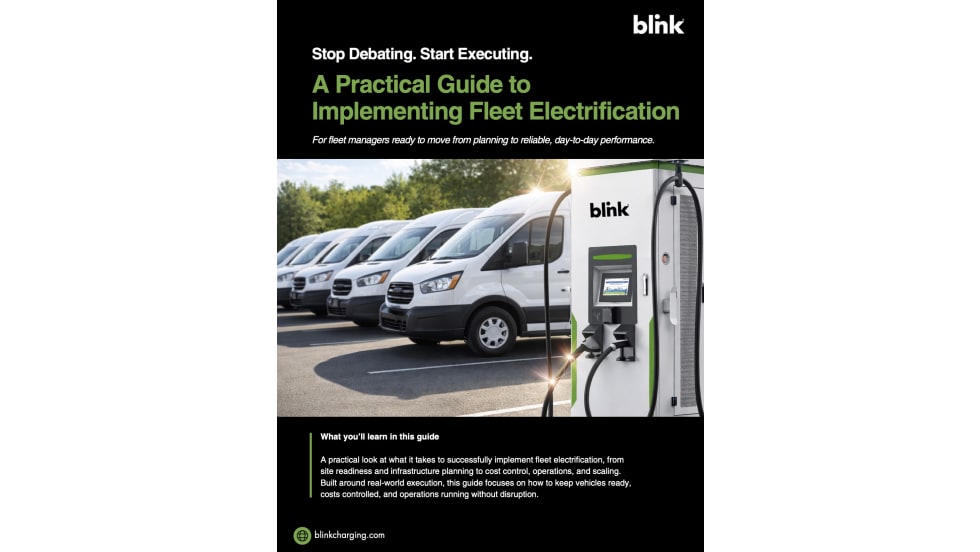
MOVING ON FROM DEBATE: A Guide for Fleet Managers Who Just Want To Get Electrification Done

Fleet managers are done with the debate—and focused on execution. Learn how to build a practical electrification strategy that aligns infrastructure, operations, and financing while keeping costs controlled and deployment scalable with support from Blink Charging. Discover how smart planning today positions fleets for long-term performance and ROI.

Read More →
Ad Loading...
EV charging symbol
Green Fleetby Chris BrownFebruary 12, 2026

U.S. EV Adoption Is Climbing, but Commercial and Passenger Markets Diverge

New industry group data revealed that light-duty electric vehicle sales are hitting record market share and volumes, while commercial EV volume dipped. What’s driving the fluctuations?

Read More →
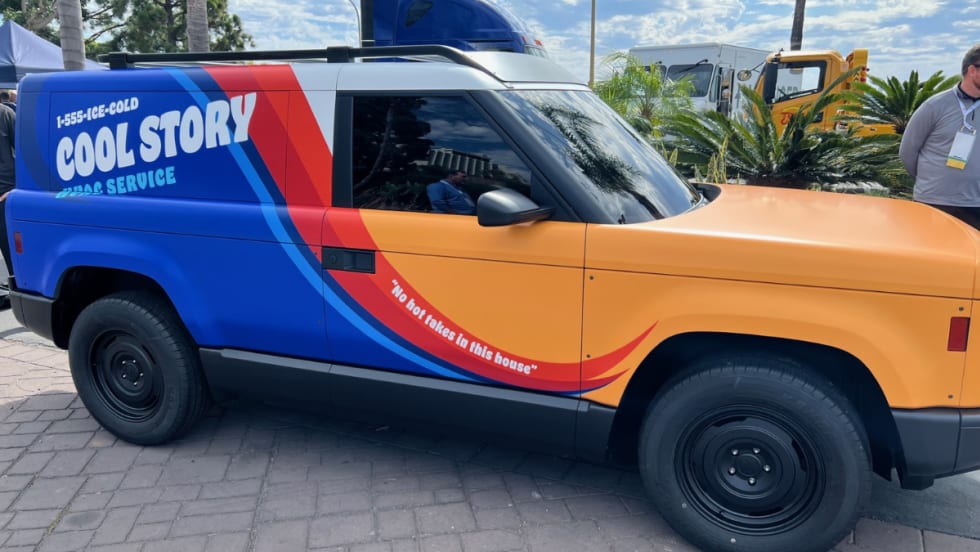
A side view of the yellow, blue, and red Slate Auto electric pick-up truck and SUV
Upfittingby Martin RomjueDecember 8, 2025

How To Upfit Electric Work Trucks and Vans

The biggest challenge lies in balancing additional equipment and accessories with EV battery capacity and range.

Read More →
Green Fleetby Martin RomjueDecember 4, 2025

How Fleets Can Adjust Approaches To EV Adoption

With the expiration of federal incentives, EV success now hinges less on government policy and more on discounts, battery tech progress, increased range, and broader infrastructure.

Read More →
Ad Loading...
Panelists on stage at FFC.
Fleet Forwardby Martin RomjueOctober 29, 2025

Despite World Troubles, Forward Thinking Guides Fleets

Fleet operators shared their challenges during an annual conference that embraced the latest advances across all aspects of running private- and public-sector vehicles.

Read More →
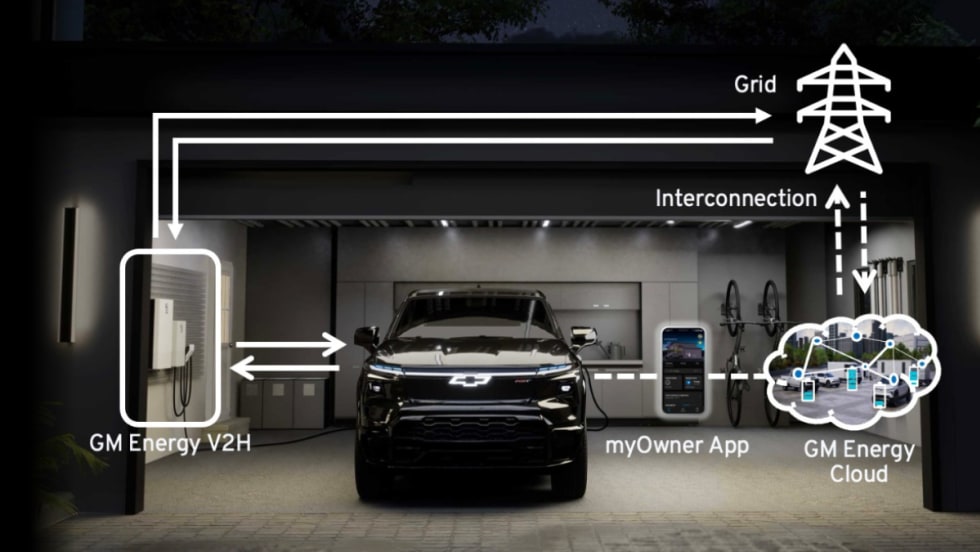
Illustration of GM Energy’s vehicle-to-home system showing an electric truck connected to home power storage, the grid, and GM Energy Cloud through the myOwner app.
Green Fleetby News/Media ReleaseOctober 28, 2025

GM Energy Details Partnerships and Targets for Public Charging Build-Out

EVgo, Pilot, ChargePoint and IONNA named; goal is 35k GM-invested DC stalls by 2030, with customer-experience upgrades at sites.

Read More →
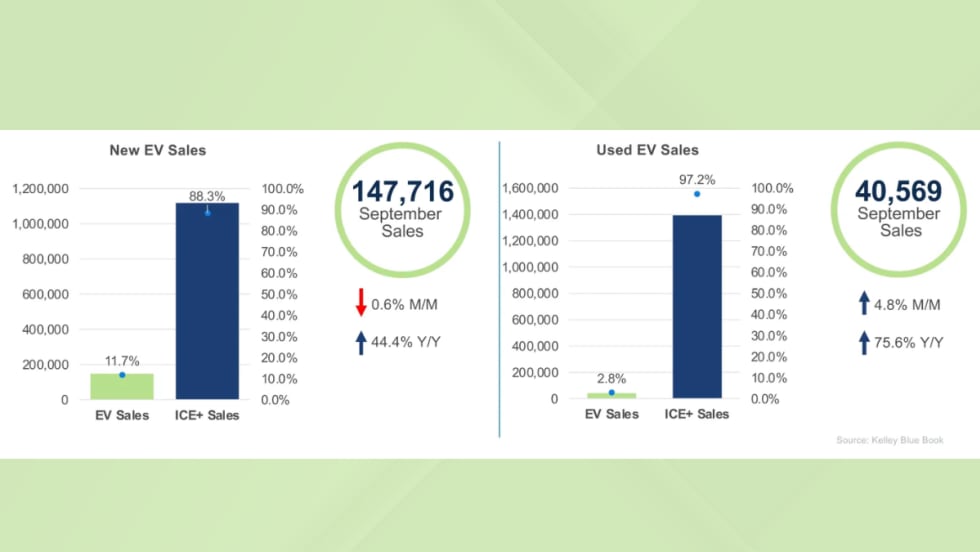
Chart showing September 2025 EV sales. New EV sales totaled 147,716 units, up 44% year over year, and used EV sales hit 40,569 units, up 76%, marking strong third-quarter performance.
Green Fleetby News/Media ReleaseOctober 23, 2025

Q3 Electric Vehicles Sales Hit Record High

EV buyers took advantage of the final federal tax credit days, while average prices edged up for new EVs and continued to decline for used models.

Read More →
Ad Loading...
SponsoredOctober 14, 2025

Automotive Fleet's Guide to Fleet Electrification

Unlock the secrets to a successful transition to electric fleets with Automotive Fleet's comprehensive Fleet Electrification Guide!

Read More →