





Missing Out on EV Fleet Funding and Getting the Infrastructure Wrong: A How Not-To Guide
New EV Fleet Charge Management Software is OCPP 2.0.1. Compliant
CitrineOS complies with OCPP and NEVI standards to improve EV fleet charging.
October 23, 2023
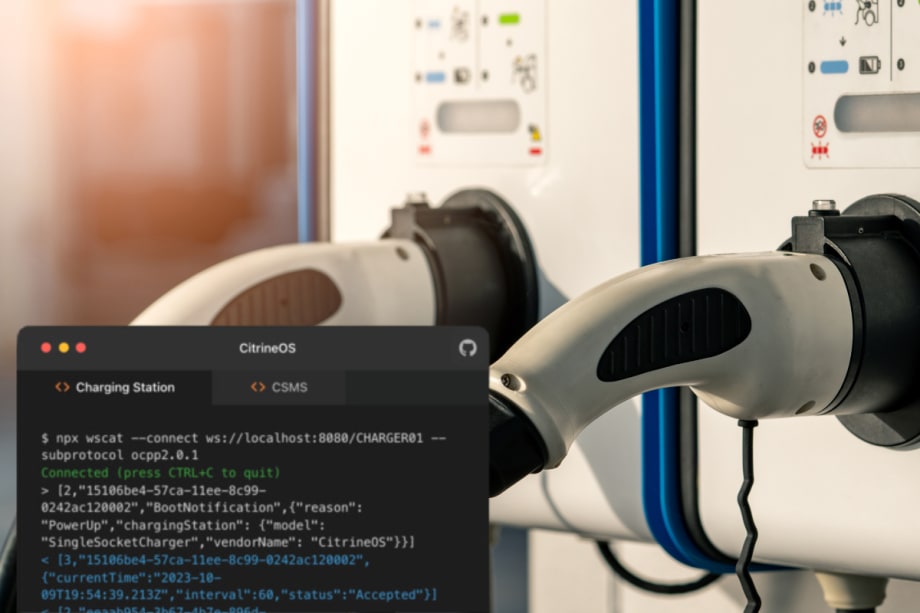
The open source software is now available for use by EV fleet managers and charge point operators.
Photo: CitrineOS/Canva
3 min to read
S44, custom EV software solutions company, announced the open-source project CitrineOS.
CitrineOS delivers critical back-end software required to quickly stand up EV charge management compliant with Open Charge Point Protocol (OCPP) 2.0.1 and National Electric Vehicle Infrastructure (NEVI) standards.
Based on real-world EV charging use cases and the need to improve reliability, the modular software enables widespread interoperability between charging equipment, vehicles, and networks and is available worldwide.
Complying With OCPP 2.0.1 Standards
The Biden administration's goal for 2030 includes establishing 500,000 public EV chargers and achieving a 50% market share for electric vehicles.
However, the inconsistent and unreliable charging experiences deter consumers from fully embracing this vision.
Even in cities with high levels of EV adoption, the operational rate of fast charging stations stands at just 72%, falling short of the 97-99% uptime needed to secure federal funding.
Under the Bipartisan Infrastructure Law, President Biden has allocated $7.5 billion for EV charging infrastructure, while the Charging and Fueling Infrastructure discretionary grant program offers an additional $2.5 billion in funding.
To be eligible for this financial support, EV charging management software must comply with OCPP 2.0.1 standards by February 28, 2024.
“Even with an experienced team, you’re looking at six to eight months to build NEVI-compliant EV charge management software from scratch,” said Julian Offermann, co-founder and CEO of S44. “With CitrineOS, you can do it in a month. Democratizing access to the software is the only way to be fast enough to hit the state and federal certification deadlines.”
CitrineOS is now available on GitHub
Everyone from enthusiasts to the largest global charge point operators, fleet managers, and car manufacturers can use CitrineOS to:
Provision new charging equipment.
Complete charging transactions.
Remotely control charging equipment.
Monitor charger equipment uptime, power levels and degradation.
Manage energy consumption and throughput.
“Reliable, standardized and open back-end communication is key for commercial, fleet, public and autonomous electric vehicle charging infrastructure,” said Cliff Fietzek, board member of CharIN North America. “CitrineOS is a game changer for this communication, built natively on the latest charge point protocol standard, OCPP 2.0.1. Now anyone can leverage the open source libraries to get to work quickly — to bring even legacy networks to OCPP 2.0.1 compliance.”
CitrineOS enables industry-wide collaboration on a single code base. The ability to build and apply fixes for broad use will make back-end communication more reliable across the board.
Sustainable EV Charging Software
S44 caters to automotive OEMs and prominent EV network operators.
Its dedication to sustainability and fostering an inclusive EV charging environment is exemplified through its open-source initiative.
Operating primarily in a virtual-first capacity in the United States and Germany, S44 offers a wide-ranging wealth of knowledge in EV charging, fleet electrification, energy management, inventory systems, product configurators, and beyond.
More Fleet Forward
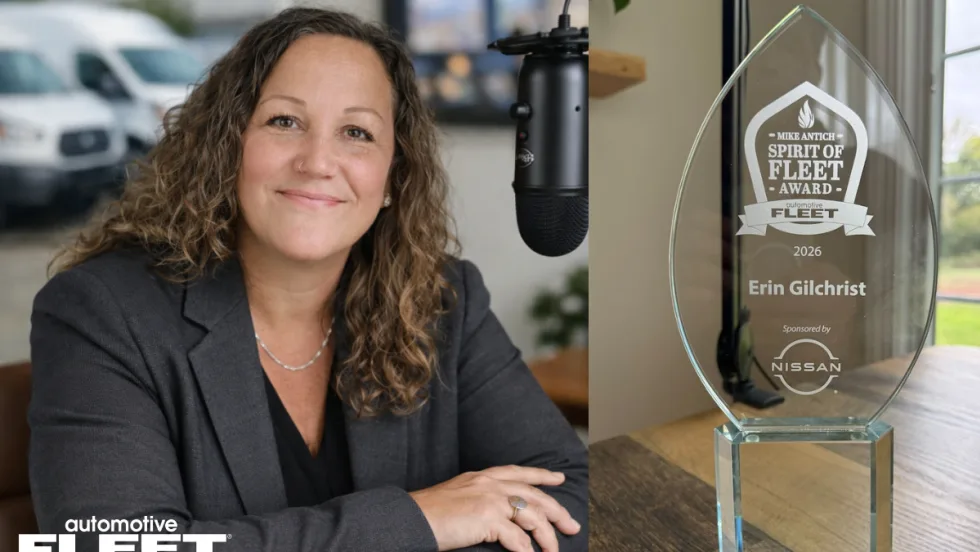
Erin Gilchrist Receives Mike Antich Spirit of Fleet Award
Last week at AFLA in Vegas, Erin Gilchrist received the inaugural, brand-new Spirit of Fleet Award.
Read More →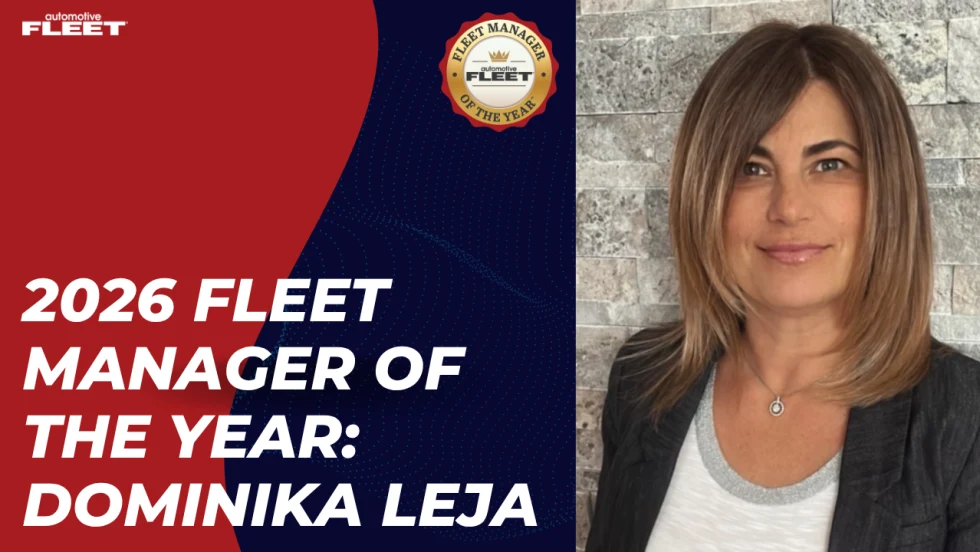
Dominika Leja Named the 2026 Fleet Manager of the Year
The AstraZeneca associate director of fleet was recognized for her leadership in fleet electrification, cost savings, and operational transformation.
Read More →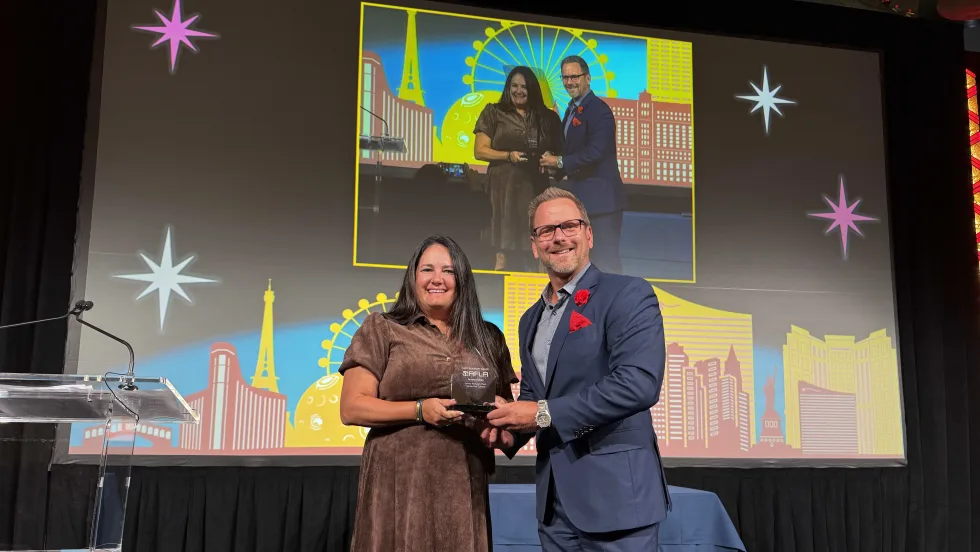
Jamie McKay Named the 2026 Fleet Visionary Award Winner
The Aptive Pest Control fleet manager was recognized for her approach to operations, data, lifecycle management, and driver needs.
Read More →
Fleet Forward Conference Introduces One-Day Passes for 2026
New one-day registration gives fleet professionals the flexibility to attend Tuesday, Wednesday, or Thursday, with passes available for $199 through Sept. 18.
Read More →
Vibe Coding: When Fleet Managers Become Software Builders
Five fleet professionals — none with programming skills — discuss how they’re using AI to build fleet solutions in-house and in a fraction of the time.
Read More →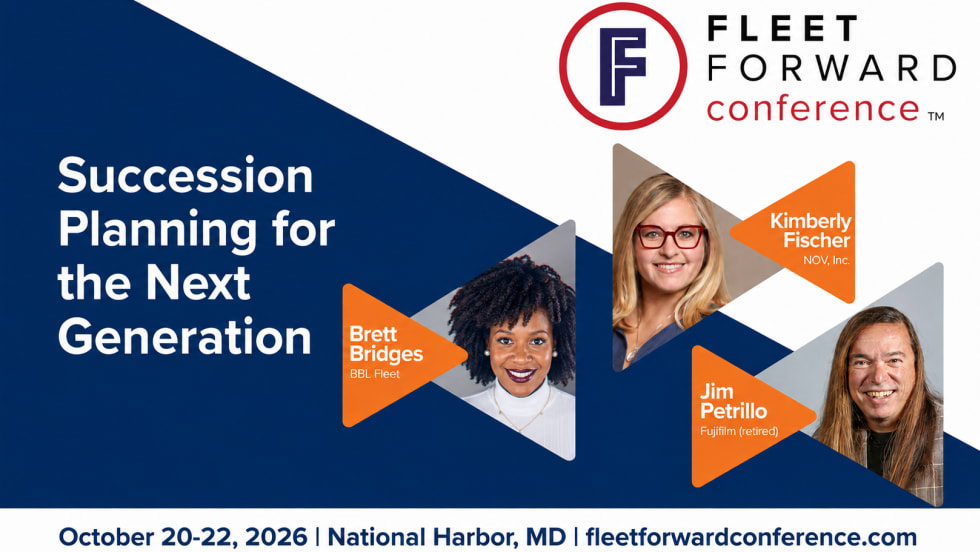
Fleet Forward Conference Tackles Fleet Industry’s Growing Leadership Gap
This session will examine succession planning, knowledge transfer, and the skills the next generation of fleet leaders will need as veteran professionals leave the industry.
Read More →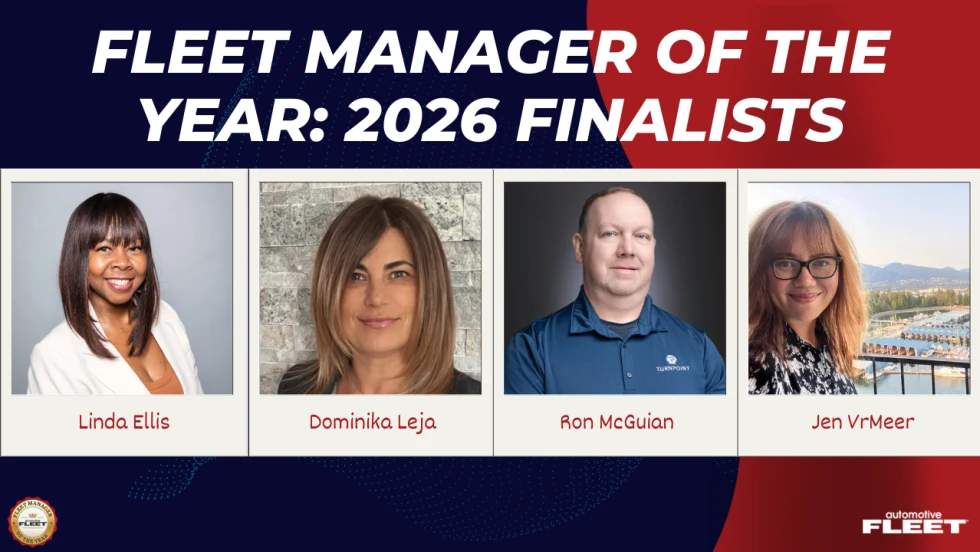
2026 Fleet Manager of the Year Finalists Announced
Who are the 2026 Fleet Manager of the Year finalists?
Read More →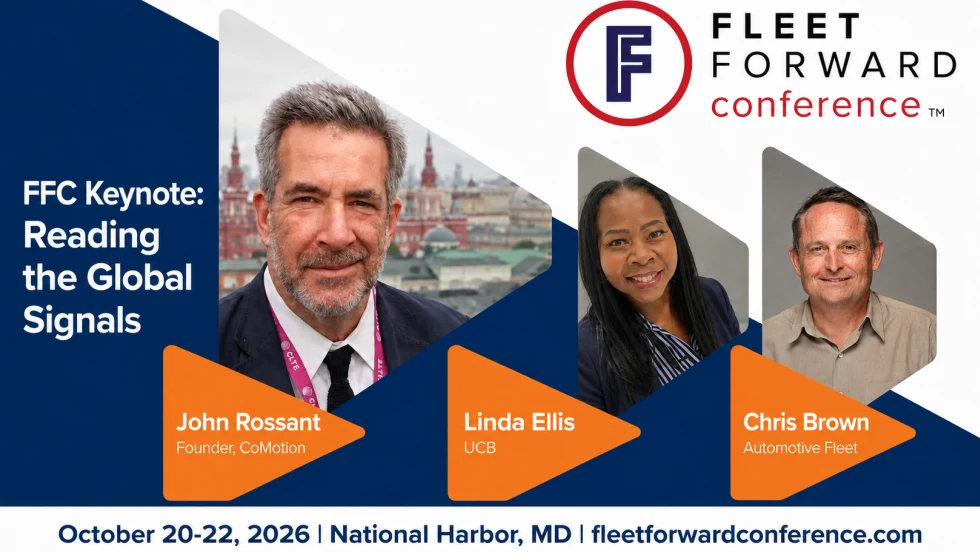
John Rossant to Deliver Opening Keynote at 2026 Fleet Forward Conference
The CoMotion founder will draw on developments across Europe, China, the Middle East, and other international markets to identify trends that could influence how U.S. fleets plan for the coming decade.
Read More →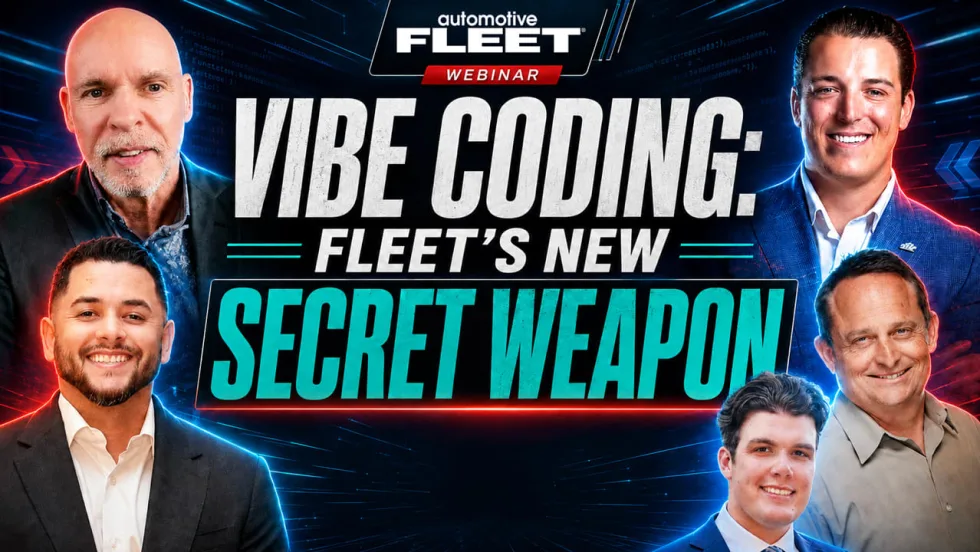
How to Build Custom Fleet Tools With AI and Vibe Coding [Webinar]
A new Automotive Fleet webinar explores how fleet managers are using AI and vibe coding to automate routine work and create simple operational tools without traditional programming skills.
Read More →