




New EPA Report Cites Significant Gains in Fuel Economy for 2012
In 2012 alone, miles per gallon (mpg) for cars and trucks improved 1.4 mpg, according to the U.S. Environmental Protection Agency (EPA) annual report that tracks the fuel economy of vehicles sold in the U.S.
Between 2007 and 2012, fuel economy values increased by 16 percent while carbon dioxide (CO2) emissions have decreased by 13 percent, and in 2012 alone, miles per gallon (mpg) for cars and trucks improved 1.4 mpg, according to the U.S. Environmental Protection Agency (EPA).
These are just some of the findings of the EPA’s annual report that tracks the fuel economy of vehicles sold in the United States, underscoring the major increases made in the efficiency of the vehicles Americans drive, reducing oil consumption and cutting carbon emissions.
“Today’s report shows that we are making strides toward saving families money at the pump, reducing greenhouse gas emissions and cleaning up the air we breathe,” said Gina McCarthy, assistant administrator for EPA’s Office of Air and Radiation. “The historic steps taken by the Obama administration to improve fuel economy and reduce our dependence on foreign oil are accelerating this progress, will spur economic growth and will create high-quality domestic jobs in cutting edge industries across America.”
The expected 1.4 mpg improvement in 2012 is based on sales estimates provided to EPA by automakers. EPA’s projections show a reduction in CO2 emissions to 374 grams per mile and an increase in average fuel economy to 23.8 mpg. These numbers represent the largest annual improvements since EPA began reporting on fuel economy.
Fuel economy is expected to continue improving significantly under the Obama administration’s historic National Clean Car Program standards. The program cuts greenhouse gas emissions and would double fuel economy standards by 2025 and reduce oil consumption by more than 2 million barrels a day.
EPA’s annual “Light-Duty Automotive Technology, Carbon Dioxide Emissions, and Fuel Economy Trends: 1975 through 2012” attributes the improvements to the rapid adoption of more efficient technologies, the increasing number of high fuel economy choices for consumers, and the fact that many automakers are already selling vehicles that can meet more stringent future fuel economy and greenhouse gas emissions standards. The report indicates that the projected gains for 2012 more than make up for a slight dip in fuel economy in 2011, according to the EPA.
More Green Fleet

New Propane Autogas Program Offers Fleet Compensation
Qualified commercial fleets can receive $7,500 per eligible propane autogas vehicle and up to $10,000 for new refueling site prep. Learn how the program works and see whether your fleet qualifies.
Read More →
EV Charging Use Is Outpacing Infrastructure Growth
ChargePoint’s 2026 Charging Forward Report points to rising charger use, higher-powered charging, commercial vehicle electrification, and energy-management technology. Here’s what fleets should know.
Read More →
Merchants Fleet Reports 290M EV Miles as Fleets Navigate Changing Electrification Market
From millions in operating savings to hundreds of millions of EV miles, Merchants Fleet’s latest report reveals what’s working and what’s changing in fleet electrification.
Read More →

The EV Breakdown Nobody's Talking About: Why Most Electric Vehicle Roadside Calls Aren't Mechanical Failures
Here's why EV breakdowns are widely misunderstood.
Read More →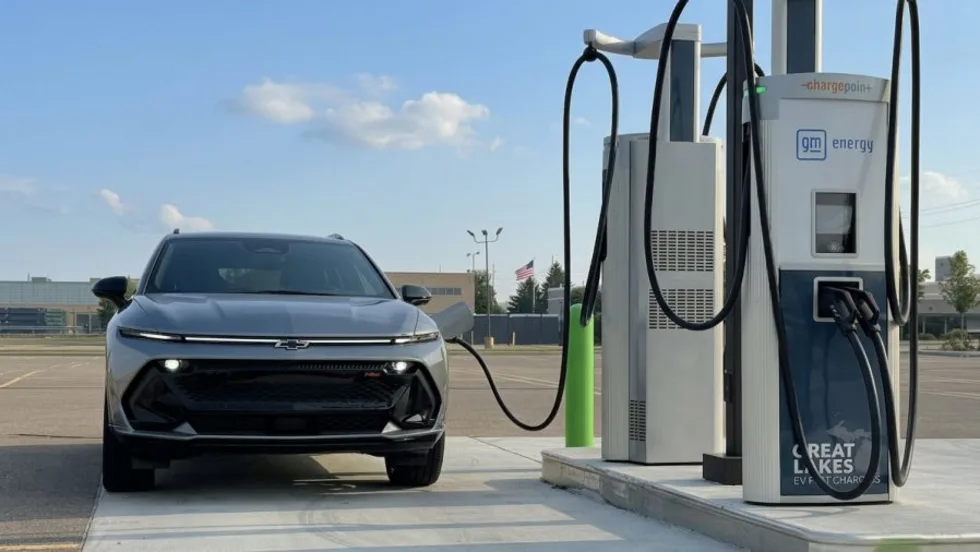
ChargePoint Now Available in Energy Pass
ChargePoint and additional planned charging network integrations were added to GM's Energy Pass.
Read More →

First Look: Slate Auto's Electric Fleet Pickup
Could an affordable, modular EV pickup make electrification more practical for fleets?
Read More →
Slate Debuts Colorful, Unique EV Models
A recent media and client event, studded with electric vehicles dressed up on platforms, planted a new position for the manufacturer in the wider EV market. Fleets will find cost-saving advantages.
Read More →
Slate Electric SUV, Pickup Switchable Model Aims For Light-Duty Fleets
Everything about this EV is counterintuitive and understated, making it stand out from the crowd.
Read More →
Inspiration Mobility Acquires Key Electrada Assets
Inspiration Mobility Group has acquired select assets of Electrada, adding the fleet electrification provider's team, technology, and charging infrastructure development capabilities to its energy management business.
Read More →