




New Drone Rules Pave Way for Commercial Deliveries
New FAA regulations allow operators to fly designated drones over people and at night without obtaining waiver. They also establish and require an identification system of drones, similar to a digital license plate.
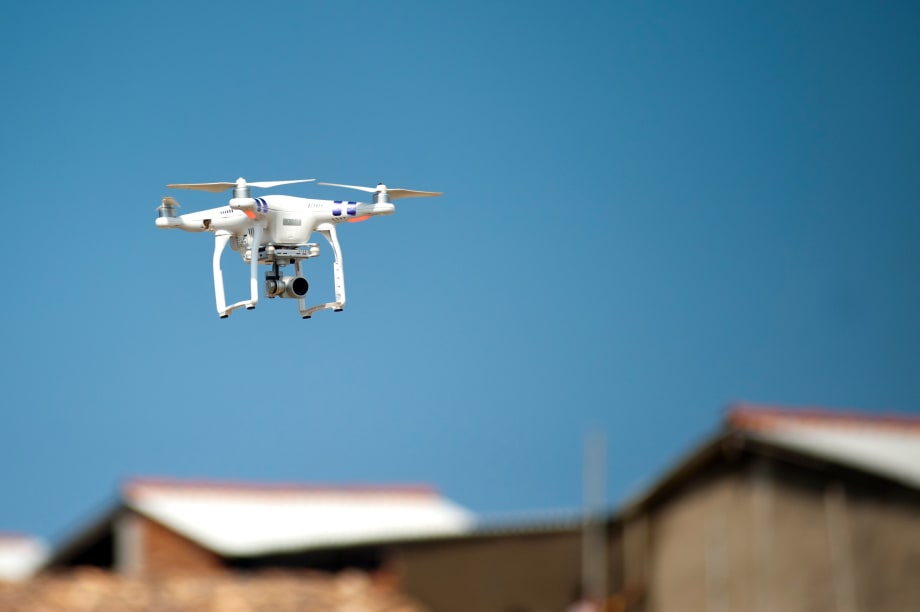
The new FAA regulations allow operators to fly designated drones, or unmanned aircraft (UA), without obtaining waiver from the FAA.
Photo via Pexels.
The U.S. Department of Transportation’s Federal Aviation Administration (FAA) announced yesterday new rules for drones, representing the next step on the path to commercial deliveries.
The new FAA regulations allow operators to fly designated drones, or unmanned aircraft (UA), without obtaining waiver from the FAA. Part 107 of the federal aviation regulations currently prohibits covered drone operations over people and at night unless the operator obtains a waiver.
As well, the new rules will require Remote Identification (Remote ID) of drones in flight as well as the location of their control stations. This information — essentially a digital license plate — is to be used by law enforcement and national security agencies to reduce the risk of drone interference with other aircraft and people and property on the ground.
“The new rules make way for the further integration of drones into our airspace by addressing safety and security concerns,” said FAA Administrator Steve Dickson in a statement. “They get us closer to the day when we will more routinely see drone operations such as the delivery of packages.”
The rules won’t take effect immediately. Drone manufacturers will have 18 months to begin producing drones with Remote ID, with operators allowed an additional year to start using drones with Remote ID.
According to the FAA, drones represent the fastest-growing segment in the transportation sector — with currently over 1.7 million drone registrations and 203,000 FAA-certificated remote pilots.
More Fleet Forward

Chad Edmondson Named 2026 Fleet Safety Award Winner
The VSC Fire & Security fleet director oversees more than 1,100 assets nationwide. His approach to improving driver safety emphasizes collaboration, employee engagement, and building trust with the people behind the wheel.
Read More →
Joseph Lukacs Wins 2026 Global Fleet Manager of the Year
The Sherwin-Williams fleet leader adds another industry honor to his career after being named the 2025 Edward J. Bobit Professional Fleet Manager of the Year.
Read More →

Erin Gilchrist Receives Mike Antich Spirit of Fleet Award
Last week at AFLA in Vegas, Erin Gilchrist received the inaugural, brand-new Spirit of Fleet Award.
Read More →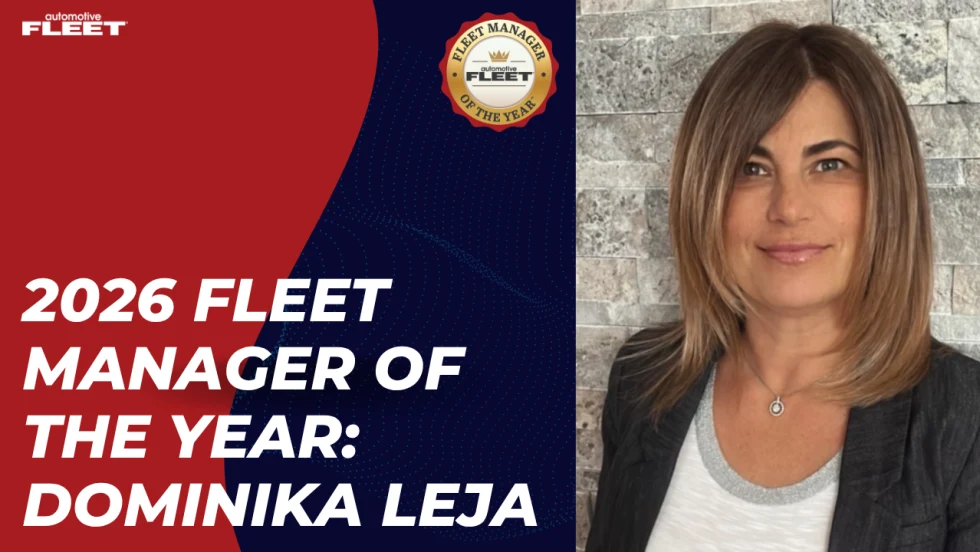
Dominika Leja Named the 2026 Fleet Manager of the Year
The AstraZeneca associate director of fleet was recognized for her leadership in fleet electrification, cost savings, and operational transformation.
Read More →
Jamie McKay Named the 2026 Fleet Visionary Award Winner
The Aptive Pest Control fleet manager was recognized for her approach to operations, data, lifecycle management, and driver needs.
Read More →
Fleet Forward Conference Introduces One-Day Passes for 2026
New one-day registration gives fleet professionals the flexibility to attend Tuesday, Wednesday, or Thursday, with passes available for $199 through Sept. 18.
Read More →
Vibe Coding: When Fleet Managers Become Software Builders
Five fleet professionals — none with programming skills — discuss how they’re using AI to build fleet solutions in-house and in a fraction of the time.
Read More →
Fleet Forward Conference Tackles Fleet Industry’s Growing Leadership Gap
This session will examine succession planning, knowledge transfer, and the skills the next generation of fleet leaders will need as veteran professionals leave the industry.
Read More →
2026 Fleet Manager of the Year Finalists Announced
Who are the 2026 Fleet Manager of the Year finalists?
Read More →