




New CNG Fueling Tech Cuts Infrastructure Costs
A compressed natural gas (CNG) fueling vendor has introduced technology it says significantly reduces the cost of installing CNG fueling infrastructure for a time-fill application.

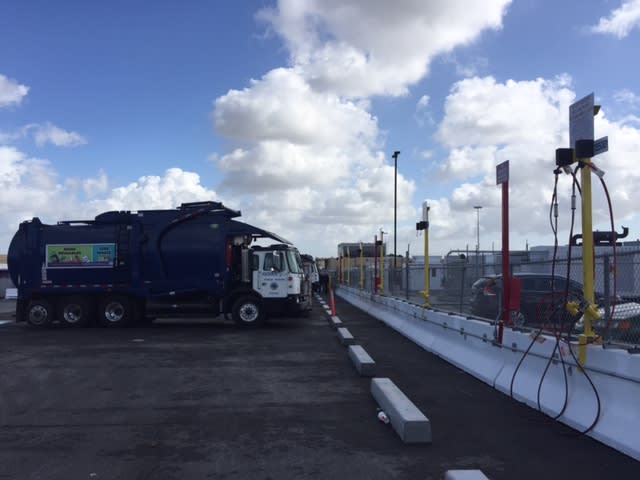
Photo of City of Long Beach's existing CNG fueling infrastructure by Thi Dao.
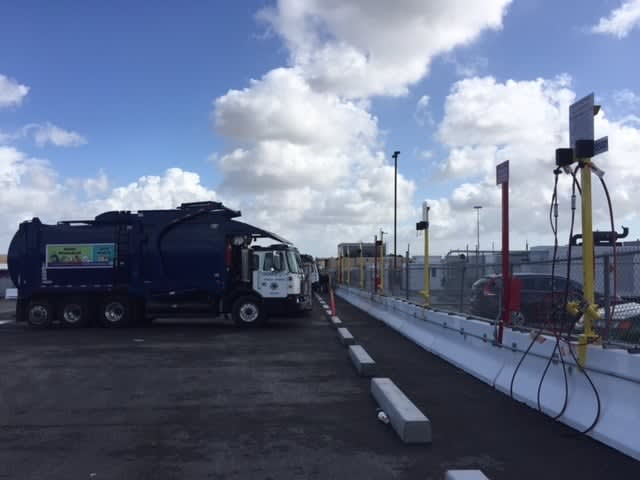
Photo of City of Long Beach's existing CNG fueling infrastructure by Thi Dao.
A compressed natural gas (CNG) fueling vendor has introduced technology it says significantly reduces the cost of installing CNG fueling infrastructure for a time-fill application.
Safelite AutoGlass has begun using the new CNG fueling technology from Simple-Fill at its Worthington, Ohio, facility this month, and will begin using it to fuel as many as eight vans in the service fleet. Safelite sends the vans to customers for vehicle glass repair and replacement.
"With a technology that compresses natural gas in a more efficient way, Simple-Fill is delivering an affordable solution for compressing natural gas," said Doug Herron, Safelite's executive vice president and CFO. "We're hopeful their solution will enable us to fulfill our efficiency and social responsibility goals, so we can continue to focus on delivering a memorable service experience for our customers."
Simple-Fill's technology would replace a traditional reciprocating piston compressor, known as a recip, that's used as part of CNG fueling infrastructure. Rather than a recip, Simple-Full uses a unit that's filled with glycol-based fluid that takes the moisture out of the gas during compression. It replaces the dehydration unit used in a recip.
Simple-Fill's liquid compresses, cools, and dehydrates the natural gas, while eliminating methane leakage. The technology was originally conceived in 2012 at The Ohio State University’s Center for Automotive Research, according to the company.
In 2014, Simple-Fill signed an exclusive technology license with Ohio State and has been working with Worthington Industries and Parker Hannifin Corporation to bring the approach to the mass market.
Simple-Fill's technology costs about half the price of a recip, which costs about $50,000 to $60,000. The unit is comparable to a recip that produces four equivalent gasoline gallons of CNG per hour.
The company hopes more fleets will adapt it, even with lower fuel prices. It would be ideal for fleets that operate refuse trucks, including government agencies, according to the company, which is targeting it for fleets with 100 vehicles or fewer.
"With the volatility of oil prices, we recognize the power of our approach to deliver a better compressor to fuel today’s vehicles," said Rob Underhill, founder and president of Simple-Fill. "Our partnership with Safelite AutoGlass signals a first step in bringing our groundbreaking technology to more fleets and we’re excited about what is on the horizon for natural gas compression."
More Green Fleet
New Propane Autogas Program Offers Fleet Compensation
Qualified commercial fleets can receive $7,500 per eligible propane autogas vehicle and up to $10,000 for new refueling site prep. Learn how the program works and see whether your fleet qualifies.
Read More →
EV Charging Use Is Outpacing Infrastructure Growth
ChargePoint’s 2026 Charging Forward Report points to rising charger use, higher-powered charging, commercial vehicle electrification, and energy-management technology. Here’s what fleets should know.
Read More →
Merchants Fleet Reports 290M EV Miles as Fleets Navigate Changing Electrification Market
From millions in operating savings to hundreds of millions of EV miles, Merchants Fleet’s latest report reveals what’s working and what’s changing in fleet electrification.
Read More →
The EV Breakdown Nobody's Talking About: Why Most Electric Vehicle Roadside Calls Aren't Mechanical Failures
Here's why EV breakdowns are widely misunderstood.
Read More →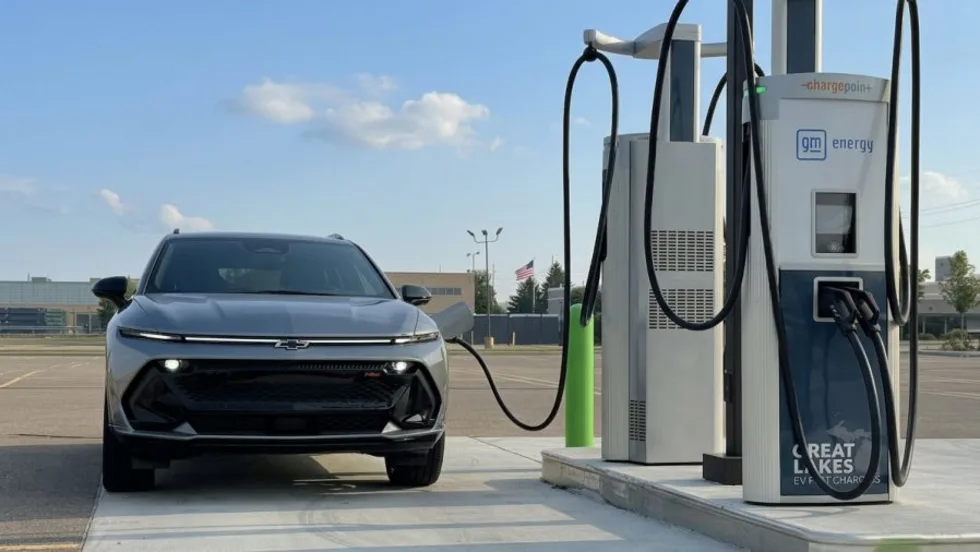
ChargePoint Now Available in Energy Pass
ChargePoint and additional planned charging network integrations were added to GM's Energy Pass.
Read More →
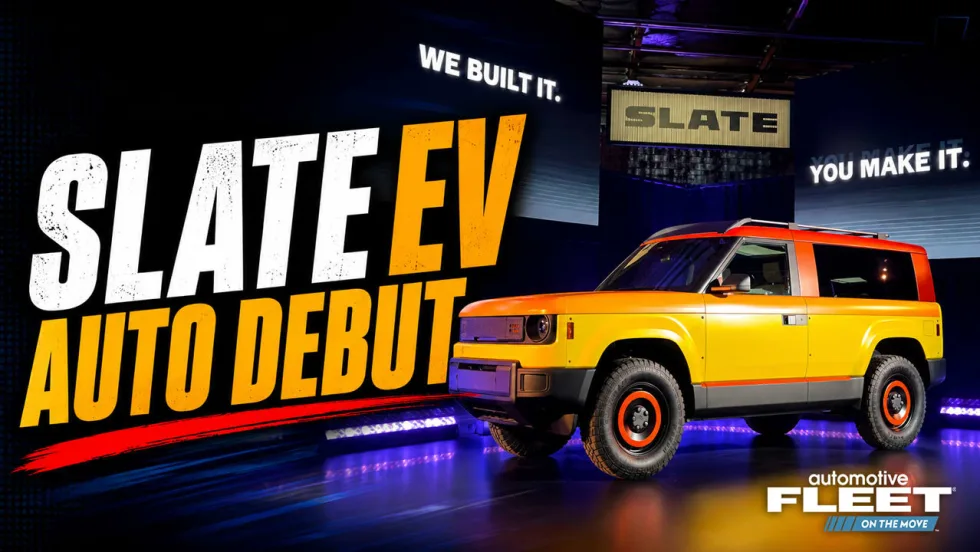
First Look: Slate Auto's Electric Fleet Pickup
Could an affordable, modular EV pickup make electrification more practical for fleets?
Read More →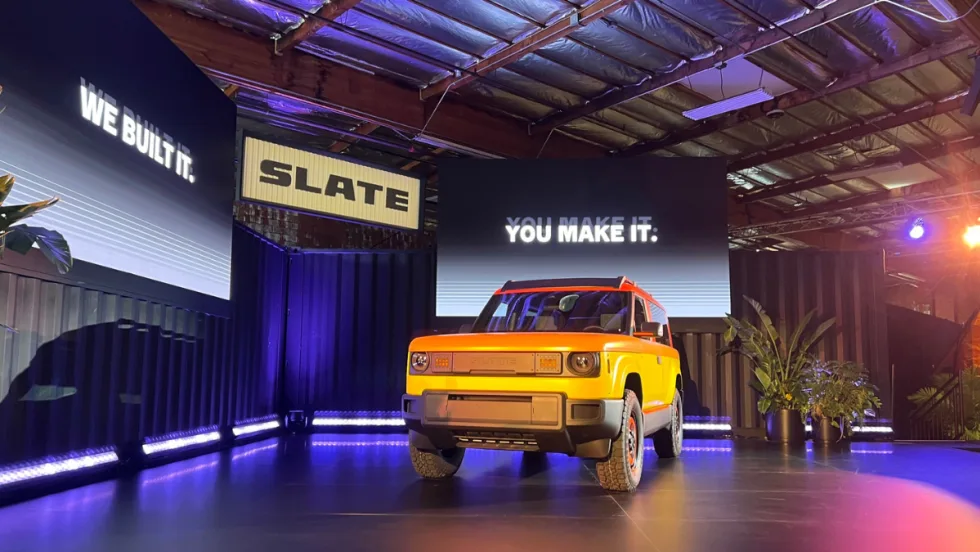
Slate Debuts Colorful, Unique EV Models
A recent media and client event, studded with electric vehicles dressed up on platforms, planted a new position for the manufacturer in the wider EV market. Fleets will find cost-saving advantages.
Read More →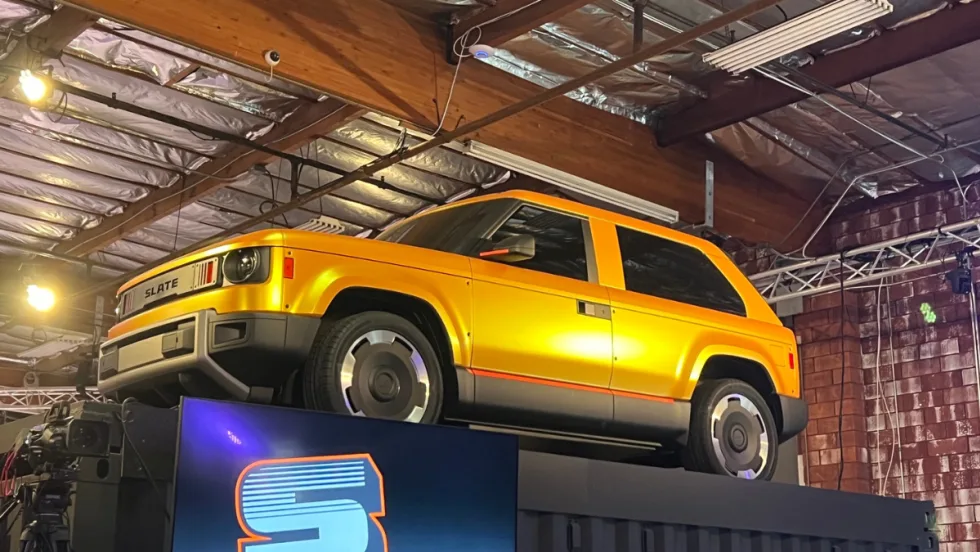
Slate Electric SUV, Pickup Switchable Model Aims For Light-Duty Fleets
Everything about this EV is counterintuitive and understated, making it stand out from the crowd.
Read More →
Inspiration Mobility Acquires Key Electrada Assets
Inspiration Mobility Group has acquired select assets of Electrada, adding the fleet electrification provider's team, technology, and charging infrastructure development capabilities to its energy management business.
Read More →