




New-Car Prices Decrease 1.4% in January, Reports KBB
According to Kelley Blue Book, Hyundai-Kia showed the greatest new-car transaction price gains (1.8%) from December 2013 to January 2014, while Volkswagen’s prices dropped more than 5%.
Chart courtesy of Kelley Blue Book.
New car prices decreased $464 (1.4%) in January, compared to December 2013, Kelley Blue Book (KBB) reported. But new car prices increased $479 (1.5%) year-over-year.
In January, the estimated average transaction price for light vehicles in the U.S. was $32,391, according to KBB.
"It comes as no surprise new-car shoppers cashed in on the holiday deals available toward the end of December, particularly from higher-priced luxury brands," said Karl Brauer, senior analyst for Kelley Blue Book. "This increase in luxury sales during the holidays often creates a drop in overall transaction prices between December and January. However, if manufacturers keep inventory levels and incentive spending in check, we could see transaction prices increase throughout 2014."
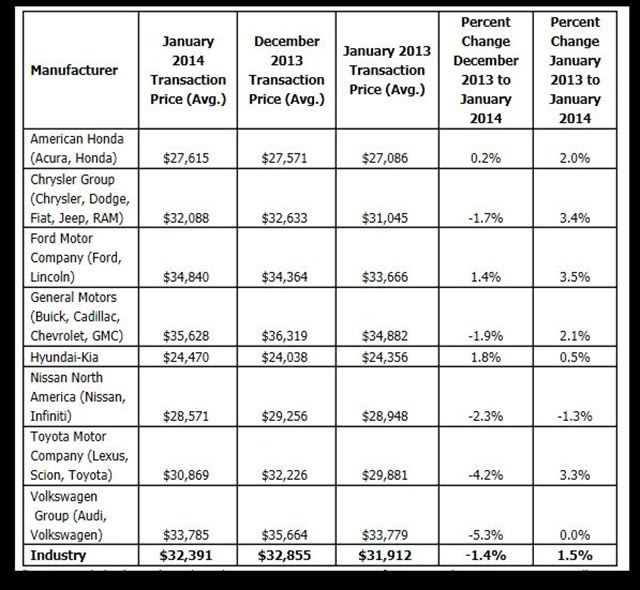
Chart courtesy of Kelley Blue Book.
"Despite a slight dip in the industry's average transaction price from December 2013, prices are still on the rise from this time last year," said Alec Gutierrez, senior analyst for Kelley Blue Book. "Both Hyundai-Kia and Ford are seeing significant increases in pricing this month. Ford also should continue to climb with a whopping 16 new model introductions this year."
For more information, visit www.kbb.com.
More Operations
Managing Fleet Costs in an Era of Permanent Volatility
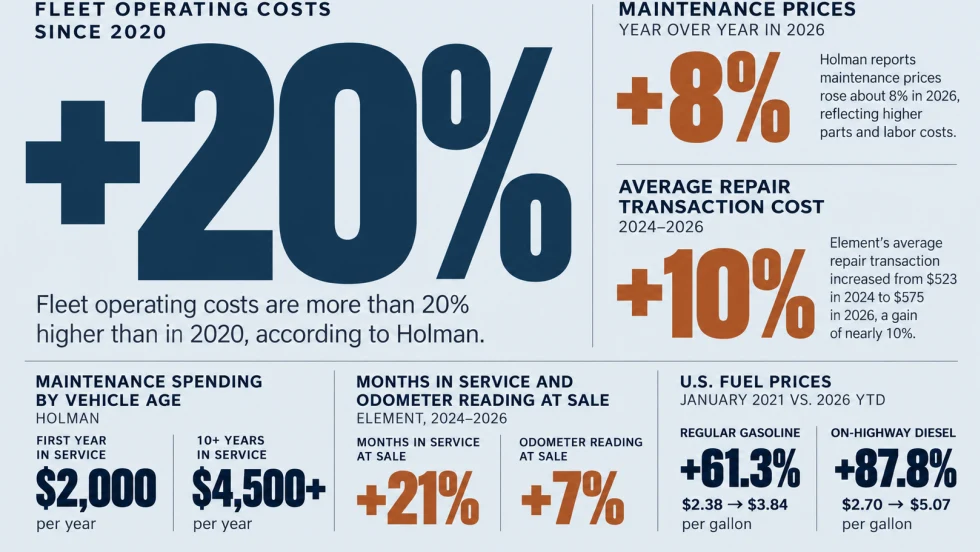
Fleet operating costs have risen more than 20% since 2020, raising a key question: When does extending a vehicle's service life stop making financial sense?
Read More →
The Next Evolution of Fleet Management: Autonomous Operations
This opening keynote session at the Fleet Forward Conference highlights the future of autonomous driving for fleets.
Read More →
How to Reduce the Total Cost of Risk From Catalytic Converter Theft
A stolen catalytic converter can cost fleets far more in downtime and lost productivity than in repairs. A total-cost-of-risk approach can help fleet managers quantify their exposure and prioritize theft prevention.
Read More →

Personal-Use Charges Rise as Vehicle Values Fall | AF News Recap
Personal-use charges are climbing, wholesale used-vehicle values are declining, and commercial fleet sales growth is slowing. This week, we're breaking down the latest fleet data, plus how Element Fleet Management is helping Waymo prepare for its first Canadian robotaxi market.
Read More →
Here's When You Should Make an Exception to Fleet Policy
Fleet policies are designed to create consistency, but not every driver or situation fits neatly within standard rules.
Read More →
AI-Native or AI-Acquired: What Should Fleet Managers Look for in an AI Platform?
Six questions can help fleet managers look beyond AI marketing claims to evaluate integration, data access, and real-world operational performance.
Read More →
A buyer's guide to fleet management software in 2027
Buying fleet management software in 2027 means looking beyond features and price. As fleet operations, technology and expectations evolve, this guide explores what today’s fleet professionals should consider when choosing a system that can deliver value now and adapt to what comes next.
Read More →
What Will Shape the Next Era of Fleet Management?
EVs, AI, and autonomous vehicles are reshaping fleet management. Discover what’s ahead—and how fleet leaders can prepare for the next era.
Read More →
How Fleets Can Recruit and Train Veterans for Technician Roles
Here's how the technician shortage has affected uptime for fleets, and what to do about it.
Read More →
Avis Budget Group Deploys Neology Toll Management Technology Across Major Brands
Neology’s neoFleet platform will manage toll transactions and toll-authority operations for vehicles across Avis, Budget, Payless, Budget Truck and Zipcar.
Read More →