




N.D. Debates Black Box Privacy Safeguards
BISMARCK, ND — Raymon Holmberg didn't know his new sedan came equipped with the long arm of the law. The dealer hadn't bothered to mention the “black box,” a computer chip that stores information on speed and seat belt use, according to the Associated Press on March 25.
BISMARCK, ND — Raymon Holmberg didn't know his new sedan came equipped with the long arm of the law. The dealer hadn't bothered to mention the “black box,” a computer chip that stores information on speed and seat belt use, according to the Associated Press on March 25. “When I bought my car,” he said, “I didn't realize I was also buying a highway patrolman to sit in the back seat.” Holmberg, a state senator, believes his privacy was violated and is taking aim at black boxes. Lawmakers in 10 other states are also hoping to regulate black boxes, according to the National Conference of State Legislatures. The bill Holmberg is sponsoring — now up for Senate consideration after being approved Wednesday by the House — would require buyers to be told if their new car or truck is equipped with a black box. It would also prohibit the data from being used in court unless there is a court order. Subscription services such as OnStar, which can be used to track a vehicle's movements, would be exempt. Its most vocal critics are auto manufacturers. For General Motors, said lobbyist Thomas Kelsch, it makes no sense to bar information from the computer chip from being used in court. “What's the societal good that would result from the suppression of valuable crash data?” Kelsch asked. But Holmberg again raises the privacy issue. He worries the data could be used to track driving habits or be used against a driver who has an accident. “Most people don't realize these devices are in their vehicle, that the information recorded may be used against them and there's no sort of regulation about who owns that information,” he said. North Dakota is one of 11 states considering black-box regulation this year, said Pam Greenberg, who tracks privacy issues for the National Conference of State Legislatures. California has a law on the books requiring dealers and vehicle rental companies to inform drivers when a car has a black box. In New York, it is illegal for rental companies to use global positioning system technology to track drivers and use the data to charge extra fees or penalties. Accident investigators argue that the privacy concerns are overblown. “These guys are trying to roll back North Dakota courts to the Dark Ages,” said Jim Harris, owner of Harris Technical Services, a Florida-based accident investigation company. “What are you going to do? Leave out videotapes?” According to the National Highway Traffic Safety Administration, about 15 percent of vehicles – or about 30 million cars and trucks – have black boxes. About 65 percent to 90 percent of 2004 cars and trucks have them, according to the NHTSA. Rusty Haight, director of the Collision Safety Institute, which researches crashes and trains accident investigators, said black boxes were introduced in cars along with air bags in the 1970s. Airbag sensors already collected the information and it was a small step to allow researchers to see how well other systems were performing, Haight said. North Dakota Highway Patrol Capt. Mark Bethke said crash investigators must have a warrant to access information from a recorder. He said the patrol collects such information less than once a month and has never used it in court. John Buchanan, a Miami accident reconstruction expert, said investigators must compare what the recorder says to the physical evidence at an accident scene. “I'm a big believer in the box,” he said. “But you cannot just take a box, read what it says and say that's what happened.” Insurance companies already have limited access to some data. State Farm requires its customers to help with investigations, including allowing insurance employees to look at their vehicles, said Dick Luedke, a spokesman for the Illinois-based insurer. Progressive Insurance began a voluntary program last year in which the company gives drivers a chip similar to a black box that can be used to transmit data, said spokeswoman Shannon Radigan. Progressive offers drivers the possibility of a break on their insurance rates based on when, how much and how fast they drive, she said. The average discount is between 12 percent and 15 percent, she said.
More Operations
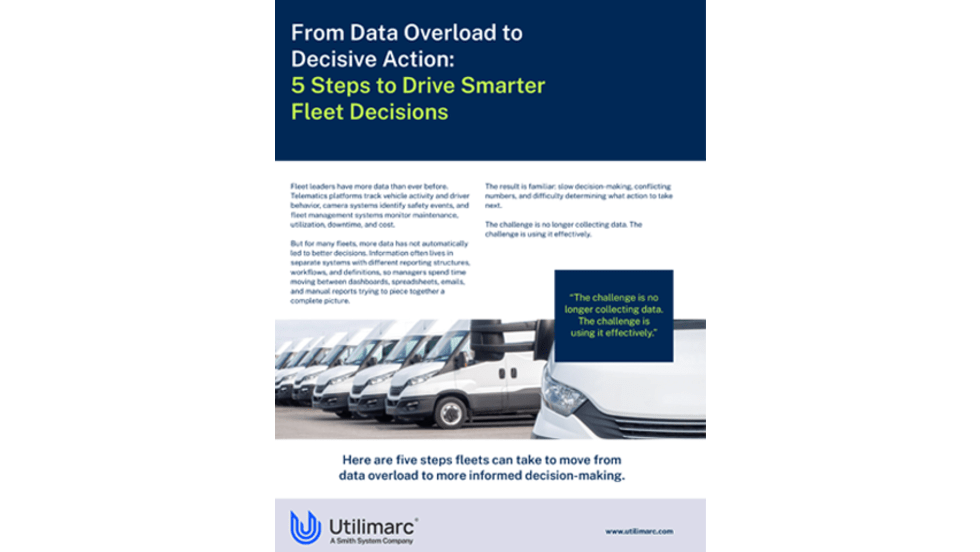
Turn Fleet Data Into Smarter Decisions
Fleet leaders have access to more operational data than ever, but disconnected systems and unclear metrics often slow decision-making instead of improving it. This article outlines five practical steps fleets can take to transform fragmented data into actionable insights that improve planning, safety, utilization, and long-term performance.
Read More →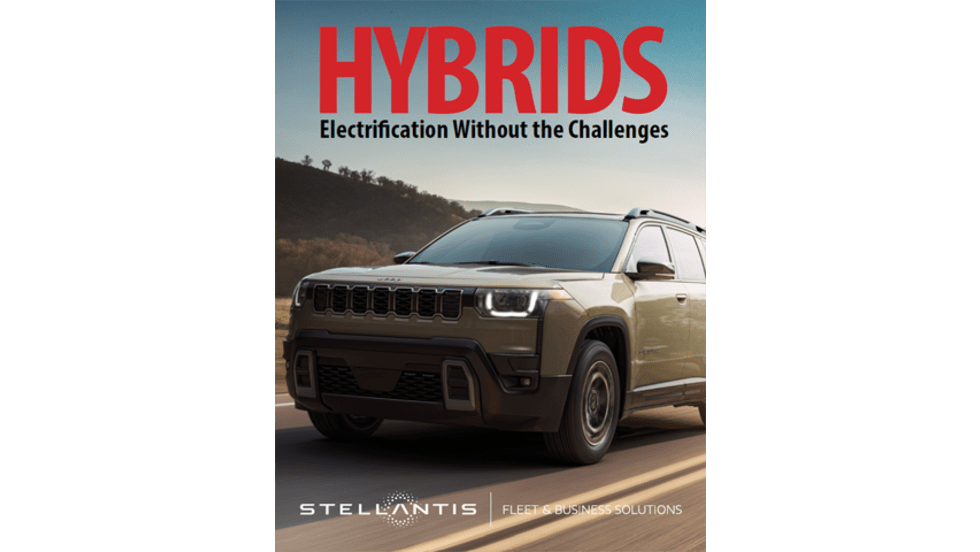
Hybrids: Electrification Without the Challenges
For fleet managers, fuel is one of the biggest line items in the budget — and it's one hybrids can shrink without changing how your people work. Download the eBook to see the numbers, understand the technology, and get a step-by-step guide to making the switch.
Read More →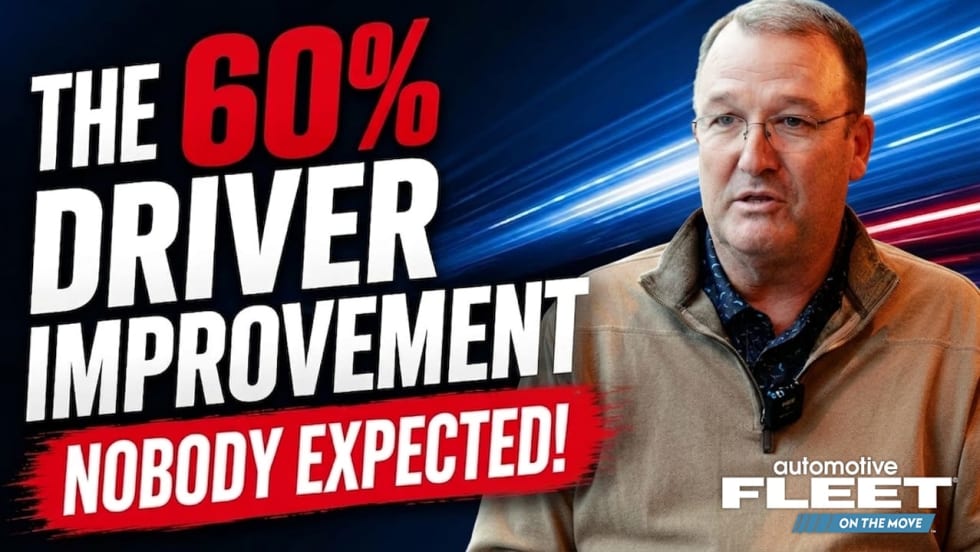
How NOV Uses Telematics to Improve Fleet Safety Across 160 Locations
James Victory of NOV discusses how the company manages fleet safety, maintenance, and telematics across more than 150 locations supporting oilfield operations throughout the U.S.
Read More →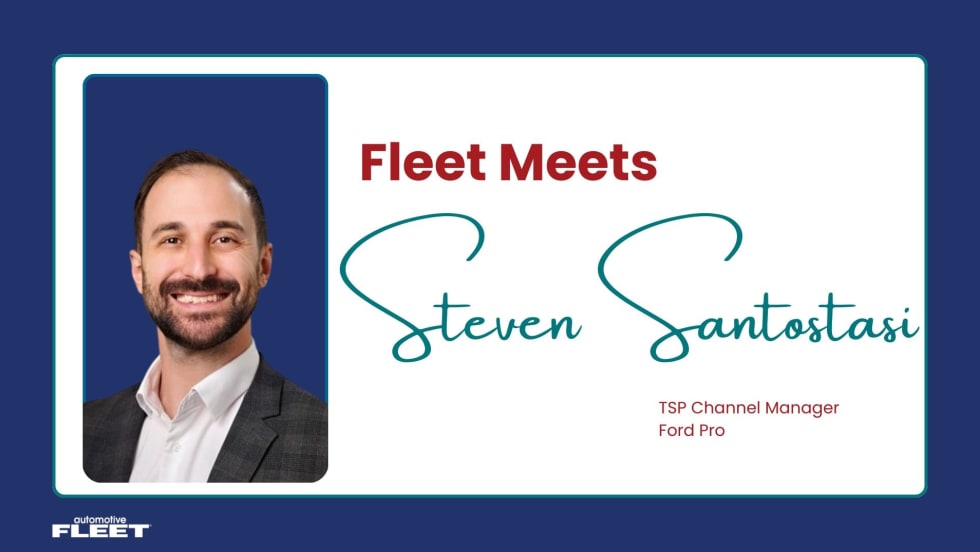
Fleet Meets: Steven Santostasi
This edition of the Fleet Meets series features Steven Santostasi, the current TSP channel manager for Ford Pro.
Read More →
Why Fleet Managers Are Replacing Departmental Vehicles with Shared Motor Pools
Departmentally assigned vehicles often create hidden costs through underutilization, poor visibility, and increased administrative burden. This white paper explores how shared motor pool strategies help fleets reduce costs, improve accountability, and optimize vehicle utilization.
Read More →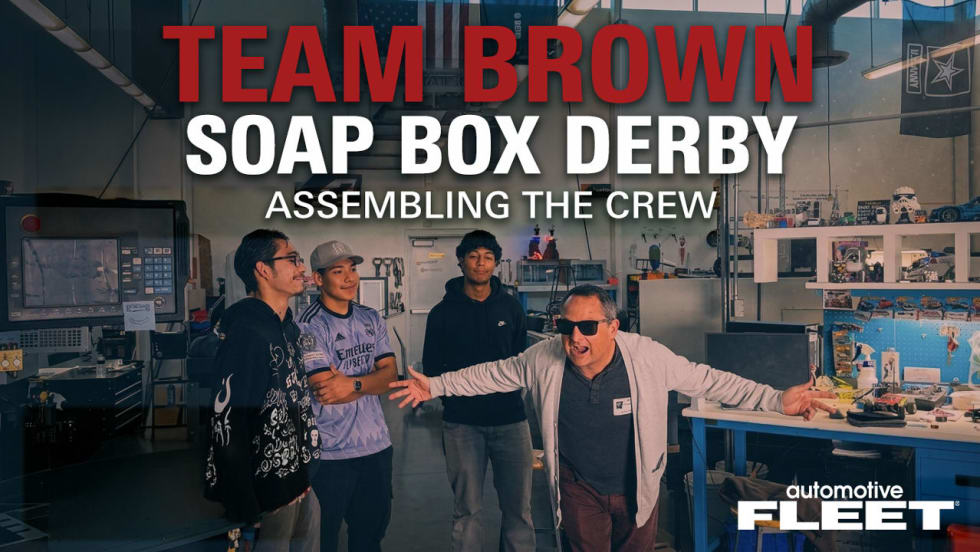
Soap Box Derby Challenge: Assembling the Crew
Meet Gabriel, Matthew, and Angel — the team helping bring this soap box derby build to life.
Read More →
BBL Fleet Acquires Velcor Leasing Corporation
BBL Fleet expanded its footprint in the fleet management industry with the acquisition of Velcor Leasing Corporation of Madison through a stock purchase agreement finalized Feb. 27, 2026.
Read More →
Lytx Introduces New AI Fleet Technologies at Protect 2026
The company introduced new AI-driven fleet safety and operations technologies during its annual user conference.
Read More →
Fleet Costs Are Rising: Here’s How Leaders Are Responding
Fleet leaders are under pressure to reduce costs, adapt to economic uncertainty, and make smarter decisions. See how peers across North America are responding with real data, proven strategies, and forward-looking insights. Download the 2026 Market Pulse Report to benchmark your strategy and uncover where you can gain an edge.
Read More →
From Waffle House to AI: Fleet Trends You Need to Know
In this AF news recap, host Faith Howell covers how Waffle House stepped up during disaster response and new AI tech on the market.
Read More →