




Navistar Delivers More Than 7,000 New 2010 Vehicles
WARRENVILLE, IL - Navistar International Corporation announced the launch of its 2010 EPA-compliant trucks and buses is on track and progressing well, having shipped more than 7,000 units in total.
WARRENVILLE, IL - Navistar International Corporation announced the launch of its 2010 EPA-compliant trucks and buses is on track and progressing well, having shipped more than 7,000 units in total.
"Full production of our EPA2010 products has been underway since June and we've shipped more than 7,000 of these units in total, and more than 4,700 in the past month," said Jack Allen, president of Navistar's North American truck group. "We're now well into delivery mode and as stated previously, we are on track to deliver more than 17,000 total vehicles to U.S. and Canadian customers by the end of the quarter."
In addition, the company announced a significant number of customer orders, with more than 23,000 total 2010 vehicle orders (not including long-term, multi-year contracts). Across all of its engine platforms, the company is currently building more than 380 engines per day-85 of those are MaxxForce 13 engines.
"Consistent with our 'buy-early, buy-late' strategy and confirmed by a number of pending deals in the works, we expect a significant increase in orders from October through December as fleets continue moving to 13-liter power and our MaxxForce Advanced EGR engine continues to resonate with customers," Allen added.
"Build-and-Hold" Quality Initiatives
Throughout the 2010 launch, Navistar has implemented a number of quality initiatives influenced by the automotive industry, ensuring that customers receive durable, dependable trucks built to the highest quality standards.
As part of the company's production rate ramp-up, Navistar began producing 2010 model-year engines as early as March, building and holding those engines to ensure the necessary build rate and the highest levels of quality. Similar to the engine production ramp-up and to make sure customers take delivery of the highest quality vehicles possible, the company implemented a similar build-and-hold process for vehicle production, installing those engines in trucks and buses as early as May and ensuring those vehicle exceeded stringent quality benchmarks prior to delivery.
"As we cycle through our build-and-hold processes, we'll continue to deliver thousands of vehicles in the weeks ahead as we draw down inventory of completed 2010 vehicles at our manufacturing plants," Allen added. "Our 2010 trucks are making their way into service and we're getting great feedback on their performance and fuel economy."
15-liter to 13-liter Conversion
As 2010 vehicle shipments continue and new orders filter in, traditional 15-liter customers continue to realize the advantages of the MaxxForce® 13 engine.
"We've been successful shifting the focus from solely a displacement preference to where we're demonstrating to customers how they can get the same or better performance in horsepower and torque from our lower displacement, lighter weight and more fuel efficient MaxxForce 13," added Allen. "In some limited applications, there will continue to be customers that require 15-liter power and we'll provide that as we introduce our MaxxForce 15, which is currently running in six fleets. However, as we're seeing, and arguably many of our competitors are seeing as well, many fleets can't deny the economic advantages of a lower displacement engine that delivers the same power, performance and durability characteristics required for their operations."
More Green Fleet
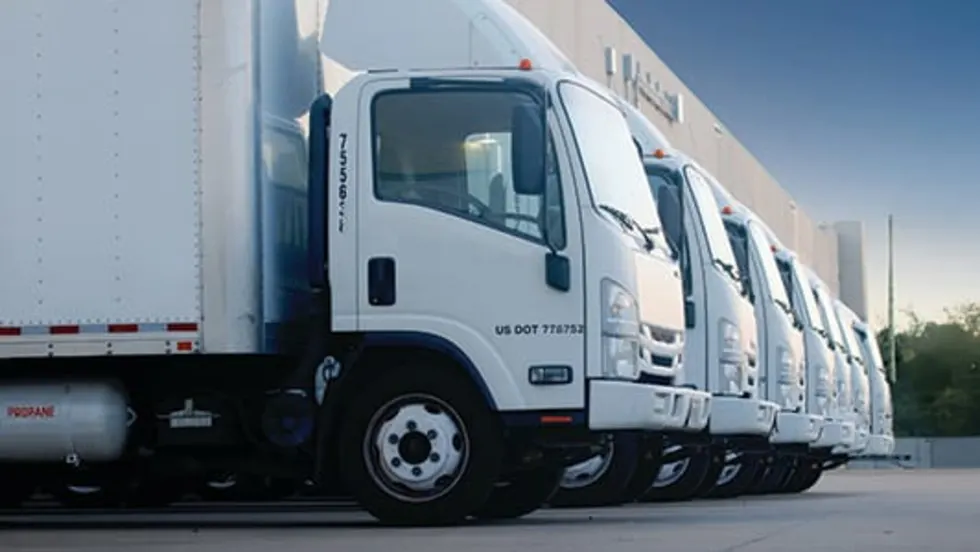
New Propane Autogas Program Offers Fleet Compensation
Qualified commercial fleets can receive $7,500 per eligible propane autogas vehicle and up to $10,000 for new refueling site prep. Learn how the program works and see whether your fleet qualifies.
Read More →
EV Charging Use Is Outpacing Infrastructure Growth
ChargePoint’s 2026 Charging Forward Report points to rising charger use, higher-powered charging, commercial vehicle electrification, and energy-management technology. Here’s what fleets should know.
Read More →
Merchants Fleet Reports 290M EV Miles as Fleets Navigate Changing Electrification Market
From millions in operating savings to hundreds of millions of EV miles, Merchants Fleet’s latest report reveals what’s working and what’s changing in fleet electrification.
Read More →

The EV Breakdown Nobody's Talking About: Why Most Electric Vehicle Roadside Calls Aren't Mechanical Failures
Here's why EV breakdowns are widely misunderstood.
Read More →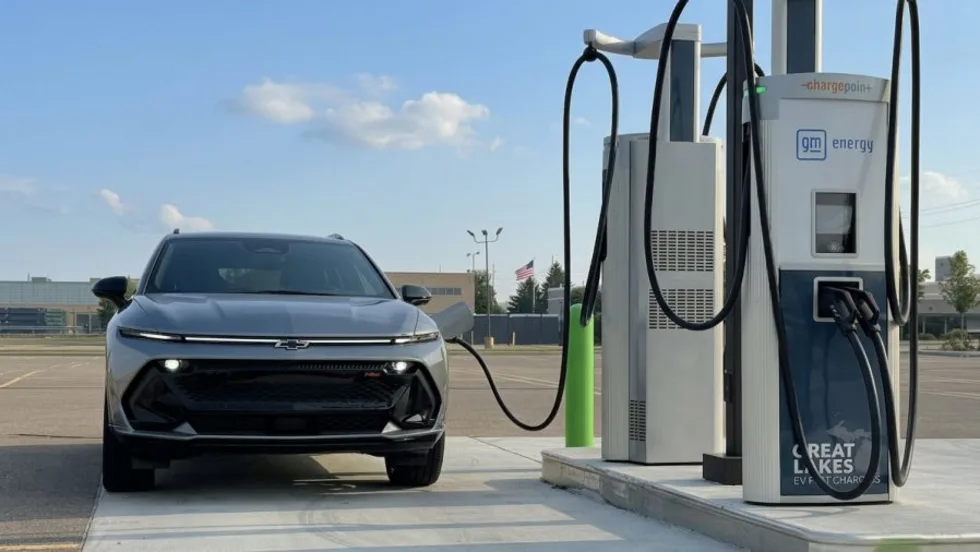
ChargePoint Now Available in Energy Pass
ChargePoint and additional planned charging network integrations were added to GM's Energy Pass.
Read More →

First Look: Slate Auto's Electric Fleet Pickup
Could an affordable, modular EV pickup make electrification more practical for fleets?
Read More →
Slate Debuts Colorful, Unique EV Models
A recent media and client event, studded with electric vehicles dressed up on platforms, planted a new position for the manufacturer in the wider EV market. Fleets will find cost-saving advantages.
Read More →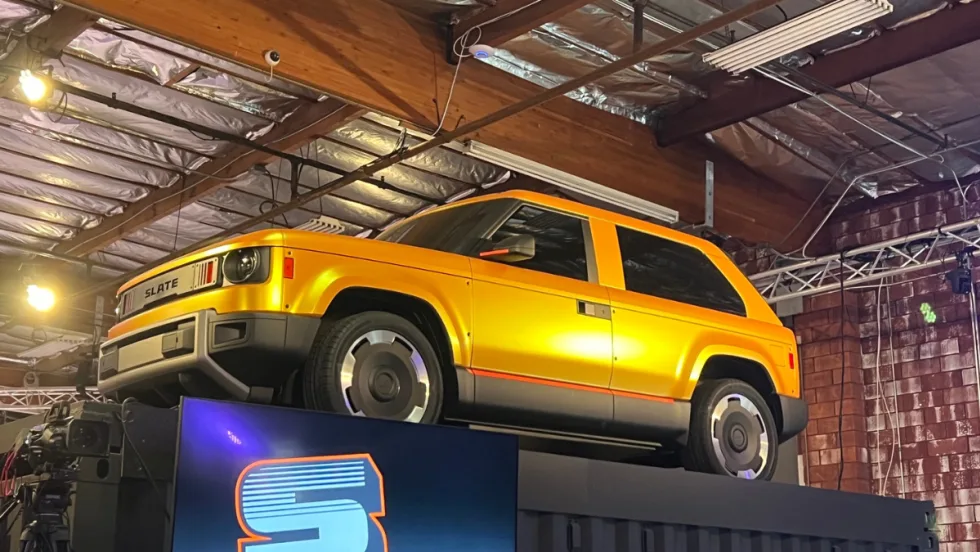
Slate Electric SUV, Pickup Switchable Model Aims For Light-Duty Fleets
Everything about this EV is counterintuitive and understated, making it stand out from the crowd.
Read More →
Inspiration Mobility Acquires Key Electrada Assets
Inspiration Mobility Group has acquired select assets of Electrada, adding the fleet electrification provider's team, technology, and charging infrastructure development capabilities to its energy management business.
Read More →