




MY-2013 BMW X3 to Feature TwinPower Turbo Four-cylinder Engine
WOODCLIFF LAKE, NJ – BMW of North America recently announced that the MY-2013 X3 xDrive28i will be powered with its new TwinPower Turbo four-cylinder engine (N20).
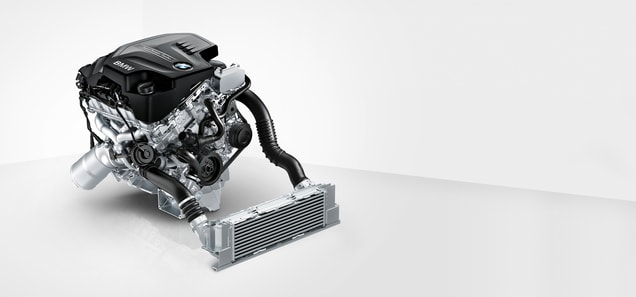
BMW four-cylinder TwinPower Turbo
WOODCLIFF LAKE, NJ - BMW of North America recently announced that the MY-2013 X3 xDrive28i will be powered with its new TwinPower Turbo four-cylinder engine (N20). The new engine replaces the outgoing normally aspirated inline six-cylinder engine (N52).
The new engine is scheduled for April 2012 production as a 2013 model with delivery to US BMW Centers in May along with the continuing BMW X3 xDrive35i. Manufacturer's Suggested Retail Prices, including $895 destination and handling, are $39,395 for the X3 xDrive28i and $44,495 for the X3 xDrive35i. This represents an increase of $1,400 and $900 respectively.
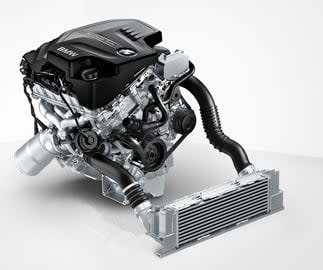
BMW four-cylinder TwinPower Turbo
In addition, the updated X3 xDrive28i and the X3 xDrive35i now in its second year of production will introduce new combinations of package and equipment options - a new Driver Assistance Package option (ZDA) will include Lane Departure Warning; and the optional M Sport Package will add 19-inch wheels to the X3 xDrive28i.
The X3 also has several upgraded standard equipment enhancements as a recipient of 5, 6, and 7 Series technology. The new standard equipment offerings for both models are Auto Start Stop, and Driving Dynamics Control with ECO PRO and the Power Tailgate. The 2013 X3 xDrive28i also features 18-inch wheels, and chrome tailpipes tips previously standard only on the X3 xDrive35i.
The state-of-the-art, 2.0-liter N20 TwinPower Turbo four-cylinder delivers 240 hp thanks to twin-scroll turbocharging and the maximum torque of 260 lb.-ft.
According to BMW, it is estimated that the BMW X3 xDrive28i will provide much improved fuel economy figures with the new TwinPower Turbo four-cylinder engine over the former six-cylinder engine it replaces as it has with other BMW models that have transitioned from six- to four-cylinder engines like the Z4, 528i and 328i. With the anticipated fuel economy ratings at the end of the EPA test cycle, the new BMW X3 is projected to be the most fuel efficient gasoline powered BMW SAV sold in the U.S. to date.
BMW has not abandoned six-cylinder engines. The new BMW X3 xDrive35i will feature the inline, high performance six-cylinder engine (N55). Thanks to intensive fine-tuning of the engine, BMW's engineers have now further reduced the fuel consumption and emissions of the predecessor, while at the same time maintaining its high performance. The 3.0-liter six-cylinder N55 has a maximum power rating of 300 hp and high peak torque of 300 lb.-ft.
Auto Start/Stop will now be standard on both the X3 xDrive28i and X3 xDrive35i. Under certain driving conditions, Auto Start/Stop turns off the engine when the vehicle comes to a stop, providing up to a 3 percent improvement in fuel economy. Once the driver's foot is removed from the brake or the steering wheel is slightly turned, the engine will restart automatically. This feature can be switched on/off via a button located next to the start/stop button.
Driving Dynamics Control with ECO PRO can be accessed by a button on the center console enabling the driver to select a new "ECO PRO" mode. ECO PRO enhances fuel efficiency by:
Optimizing drive train, heating, air conditioning and electrical functions by dialing those functions back.
Displaying driving tips on the iDrive screen to help conserve fuel.
Displaying fuel saved as "bonus" miles added to the vehicle's normal driving range
The new Driver Assistance Package includes Lane Departure Warning that warns the driver if unintentionally straying out of their lane.
All BMW X3s are produced in an expansion of BMW's plant in Spartanburg, South Carolina. Technical specifications and EPA mileage ratings for the 2013 BMW X3 Sport Activity Vehicles will be announced closer to the on-sale date.
More Operations

Here's When You Should Make an Exception to Fleet Policy
Fleet policies are designed to create consistency, but not every driver or situation fits neatly within standard rules.
Read More →
AI-Native or AI-Acquired: What Should Fleet Managers Look for in an AI Platform?
Six questions can help fleet managers look beyond AI marketing claims to evaluate integration, data access, and real-world operational performance.
Read More →
A buyer's guide to fleet management software in 2027
Buying fleet management software in 2027 means looking beyond features and price. As fleet operations, technology and expectations evolve, this guide explores what today’s fleet professionals should consider when choosing a system that can deliver value now and adapt to what comes next.
Read More →

What Will Shape the Next Era of Fleet Management?
EVs, AI, and autonomous vehicles are reshaping fleet management. Discover what’s ahead—and how fleet leaders can prepare for the next era.
Read More →
How Fleets Can Recruit and Train Veterans for Technician Roles
Here's how the technician shortage has affected uptime for fleets, and what to do about it.
Read More →
Avis Budget Group Deploys Neology Toll Management Technology Across Major Brands
Neology’s neoFleet platform will manage toll transactions and toll-authority operations for vehicles across Avis, Budget, Payless, Budget Truck and Zipcar.
Read More →
Fleet Personal-Use Charges Edge Higher in 2026
Nearly eight in 10 surveyed fleets allow personal use of company vehicles, while just over half of respondents report charging employees for the privilege.
Read More →
The Future of Fleet + What’s Changing Right Now | AF News Recap
Could developments overseas offer a preview of what’s coming for U.S. fleets? This week, we’re looking at the future of AI, autonomy, and electrification, plus Ford Pro’s new certified pre-owned program, smarter vehicle offboarding, and a new way for fleets to manage toll expenses.
Read More →
How to Handle Vehicle Offboarding
What do fleet managers need to do when a driver leaves?
Read More →
Fleet Manager’s Ultimate Playbook: Navigating the New Standard in OEM Connectivity
Rising operating costs, driver safety concerns, and unplanned downtime are putting unprecedented pressure on modern fleets. Discover how fleet managers use embedded OEM connectivity and real-time vehicle data to cut TCO, prevent downtime, and protect drivers without aftermarket telematics hardware.
Read More →