




More Photos of New 2011 Chrysler 200 Revealed
AUBURN HILLS, MI - Chrysler Group LLC released additional photos of the new 2011 Chrysler 200 mid-sized sedan, with every system in the sedan new or upgraded for 2011.


AUBURN HILLS, MI- Chrysler Group LLC released additional photos of the new 2011 Chrysler 200 mid-sized sedan, with every system in the sedan new or upgraded for 2011, according to the automaker.
Exterior and sheet metal upgrades include: front and rear fascias and fenders, grille featuring the new Chrysler brand winged badge, hood, rear decklid and exterior mirrors, new projector headlamps and fog lamps, new LED taillamps, and a LED center high-mounted stop light.

The Chrysler 200 features a new powertrain lineup with the 2.4L I-4 World Gas Engine mated to either a four-speed or six-speed automatic transaxle, or the new 3.6L Pentastar V-6 engine mated to a six-speed automatic transaxle; improved ride and handling tuning which includes stiffened body mounts and softer ride rate, improved suspension geometry with a raised roll center, a new rear sway bar, and new tires and an extensively upgraded treatment for the reduction of noise, vibration and harshness including acoustic laminated glass for the windshield and front door windows, according to Chrysler.

Interior updates include a new instrument panel, bezels and gauge face, upgraded seats with a new design that incorporates more cushion material and revised spring geometry, as well as new leather and cloth seating materials, new "soft touch" armrests and dash, and new heating and cooling outlets in the instrument panel with improved design and functionality.

The Chrysler 200 will be built at the Sterling Heights Assembly Plant in Sterling Heights, Mich., and is scheduled to arrive in dealerships by the end of 2010.



More Operations

Moventum Fleet Management Names Mark Iorillo Head of Sales
Iorillo brings nearly 20 years of fleet management and sales experience to the role, including previous positions at Element Fleet Management, CEI, Donlen and Ryder.
Read More →
Fleet Has a Talent Pipeline Problem. What Comes Next? | AF News Recap
Where will fleet’s next generation of leaders come from? This week, we’re looking at the industry’s talent pipeline, what certification can add to a fleet career, how to build an award-worthy track record, and the return of Automotive Fleet’s Personal Use Survey.
Read More →
Smith System Launches Driver Risk Management Program
Fleets have more driver data than ever, but identifying risky behavior doesn't necessarily correct it. Smith System's new Driver Risk Management program combines monitoring, training, and follow-up coaching to help fleets connect risk signals with driver intervention.
Read More →
Automotive Fleet Opens 2026 Personal Use Survey for Commercial Fleet Managers
Less than two weeks left! Commercial and corporate fleet managers are invited to share how their organizations handle company vehicle personal-use policies, charges, and driver eligibility.
Read More →
From AI Prompts to AI-Generated Safety Songs | AF News Recap
Can better prompts make AI more useful for fleet managers? This week, we’re breaking down smarter fleet analysis, an AI-assisted experiment that turned safety training into music, and what happened to fuel prices in August.
Read More →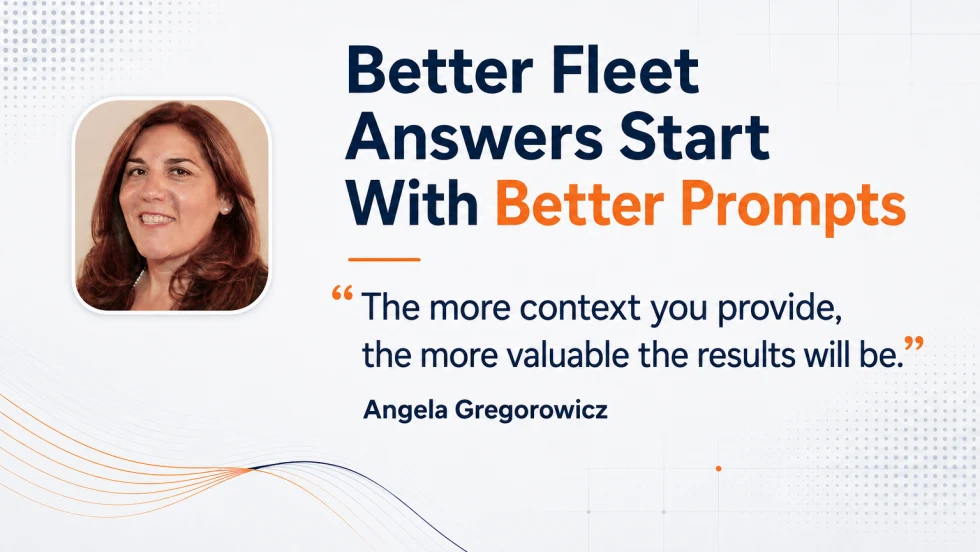
How to Write Better AI Prompts for Fleet Analysis
Include these six elements in your fleet prompts to generate more relevant analysis and accurate answers.
Read More →
Fleet Meets: Eric Kilgore
This edition of the Fleet Meets series features one of the industry's best leaders driving multi-market and national operations.
Read More →
Why Reactive Fleet Management Is Becoming Too Expensive to Sustain
Research highlights a growing need for proactive management strategies to address rising costs in fleet operations effectively.
Read More →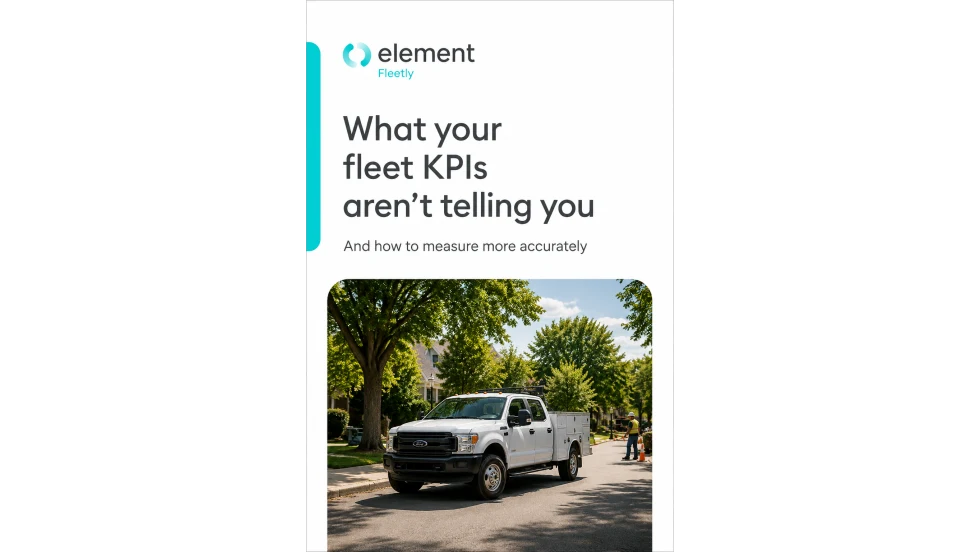
What Your Fleet KPIs Aren’t Telling You
Tracking fleet metrics is only useful when the data leads to better decisions. This guide helps fleet leaders assess cost, utilization, and downtime more accurately, identify performance gaps, and prioritize the actions that can improve operational results.
Read More →
Hidden in Plain Sight: Fleet Compliance Risks
Fleet compliance isn't just about having policies — it's about consistently enforcing them. This practical guide reveals six hidden compliance risks common in public sector and shared fleet operations and outlines proven strategies to improve visibility, accountability, and audit readiness
Read More →