




Hino Motors Manufacturing, a leading Japanese domestic manufacturer of medium- and heavy-duty trucks and buses, and a subsidiary of Toyota (which owns 50.1 percent of Hino) has launched its first North American truck manufacturing operation, according to the Green Car Congress. Although currently sold in the U.S., Hino trucks have been imported from Japan. The trucks are assembled at a Toyota facility in Long Beach. The facility the first new-vehicle assembly plant in California since New United Motor Manufacturing began production in Fremont in 1984. Hino has a history of producing diesel hybrid trucks, starting with the world’s first hybrid diesel-electric system, the Hybrid Inverter-controlled Motor and Retarder (HIMR) in 1989. The company has also produced a hydrogen fuel cell bus (in 2002) with Toyota. Launched in June, the 4-ton Hino Ranger Diesel Hybrid is the newest member of Hino’s hybrid truck lineup. The Hino Ranger Hybrid truck is a mild-diesel hybrid that delivers 20 percent better fuel economy than conventional diesel models and reduces CO2 emissions by approximately 17 percent. The truck also reduces NOx emissions by more than 50 percent and particulate matter (PM) by 85 percent against the Japanese 2003 New Short-Term Emission Regulations and meet targets set out in the 2005 New Long-Term Emission Regulations. The Hino Hybrid system is an updated version of the HIMR and combines an inline 4-cylinder, 4.7-liter diesel (132 kW / 177 hp) with a 23 kW (31 hp) electric motor/generator and a 274V Nickel-Hydride battery. The system features regenerative braking to recharge the battery and stop-start functionality. The electric motor assists the engine whenever high torque is needed, such as during startup and acceleration. All power during regular cruising is supplied by the engine. Hino’s clean-diesel system uses a next-generation common-rail fuel injection system, a cool Exhaust Gas Recirculation (EGR) and variable nozzle turbocharger, and a post-processing unit Diesel Particulate active Reduction (DPR) cleaner with a PM collection rate of 95 percent, which work in concert to burn the collected PM. Hino’s DPR system can reduce PM emissions in a stable manner even at low exhaust temperatures, such as when driving in a congested thoroughfare. Hino is developing a more advanced full-hybrid system, and claims that the new hybrid system will deliver 1.8 times the fuel efficiency of conventional diesels. At the upcoming Tokyo Motor Show, Hino will display 12 vehicles, including six hybrids. Hino’s current diesel hybrids are already available in North America. At the Tokyo show, Hino will unveil a new hybrid truck targeted specifically at the US market.
More Hino Diesel Hybrids Coming
Hino Motors Manufacturing, a leading Japanese domestic manufacturer of medium- and heavy-duty trucks and buses, and a subsidiary of Toyota (which owns 50.1 percent of Hino) has launched its first North American truck manufacturing operation, according to the Green Car Congress. Although currently sold in the U.S., Hino trucks have been imported from Japan.
More Operations

Turn Fleet Data Into Smarter Decisions
Fleet leaders have access to more operational data than ever, but disconnected systems and unclear metrics often slow decision-making instead of improving it. This article outlines five practical steps fleets can take to transform fragmented data into actionable insights that improve planning, safety, utilization, and long-term performance.
Read More →
Hybrids: Electrification Without the Challenges
For fleet managers, fuel is one of the biggest line items in the budget — and it's one hybrids can shrink without changing how your people work. Download the eBook to see the numbers, understand the technology, and get a step-by-step guide to making the switch.
Read More →
How NOV Uses Telematics to Improve Fleet Safety Across 160 Locations
James Victory of NOV discusses how the company manages fleet safety, maintenance, and telematics across more than 150 locations supporting oilfield operations throughout the U.S.
Read More →
Fleet Meets: Steven Santostasi
This edition of the Fleet Meets series features Steven Santostasi, the current TSP channel manager for Ford Pro.
Read More →
Why Fleet Managers Are Replacing Departmental Vehicles with Shared Motor Pools
Departmentally assigned vehicles often create hidden costs through underutilization, poor visibility, and increased administrative burden. This white paper explores how shared motor pool strategies help fleets reduce costs, improve accountability, and optimize vehicle utilization.
Read More →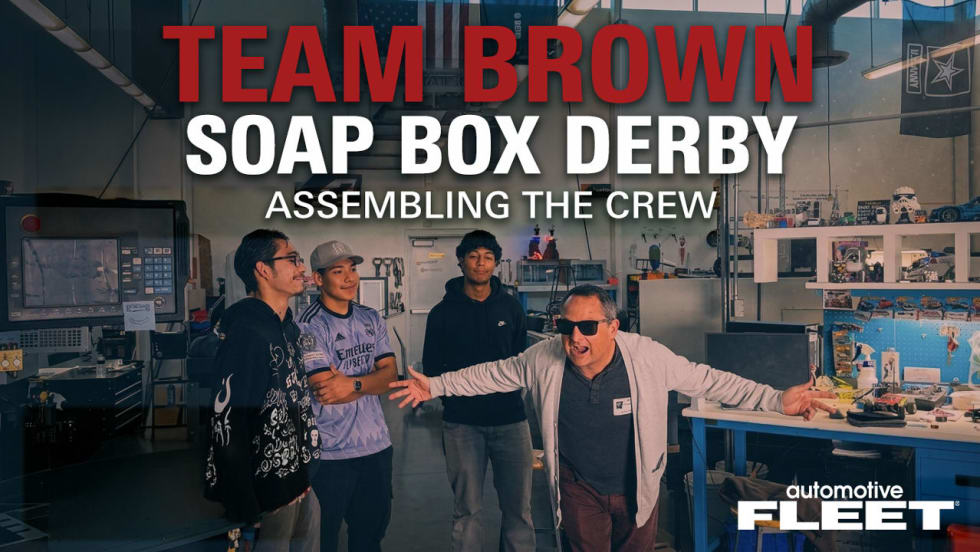
Soap Box Derby Challenge: Assembling the Crew
Meet Gabriel, Matthew, and Angel — the team helping bring this soap box derby build to life.
Read More →
BBL Fleet Acquires Velcor Leasing Corporation
BBL Fleet expanded its footprint in the fleet management industry with the acquisition of Velcor Leasing Corporation of Madison through a stock purchase agreement finalized Feb. 27, 2026.
Read More →
Lytx Introduces New AI Fleet Technologies at Protect 2026
The company introduced new AI-driven fleet safety and operations technologies during its annual user conference.
Read More →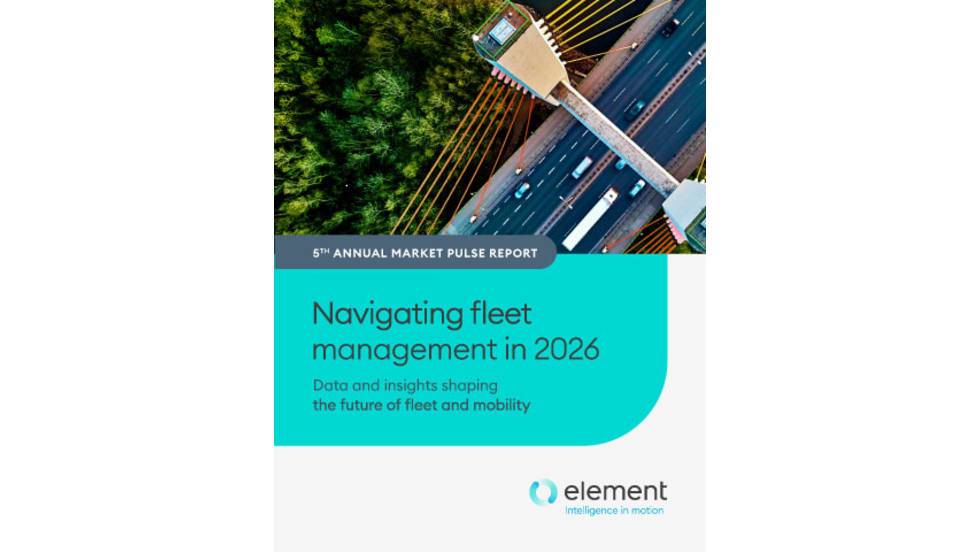
Fleet Costs Are Rising: Here’s How Leaders Are Responding
Fleet leaders are under pressure to reduce costs, adapt to economic uncertainty, and make smarter decisions. See how peers across North America are responding with real data, proven strategies, and forward-looking insights. Download the 2026 Market Pulse Report to benchmark your strategy and uncover where you can gain an edge.
Read More →
From Waffle House to AI: Fleet Trends You Need to Know
In this AF news recap, host Faith Howell covers how Waffle House stepped up during disaster response and new AI tech on the market.
Read More →