




For the first time in 30 years, the Montana Highway Patrol (MHP) is using unmarked cars for law enforcement across the state, according to the Associated Press. MHP has dispatched seven cars for traffic duty, and the MHP chief knows it may not be a popular decision. "Our intention is not to be deceptive," said MHP Col. Shawn Driscoll. "It's not our intent to write more tickets. It's to make motorists think twice." If drivers know some innocuous-looking car on the road may have a patrol officer behind the wheel, they may reconsider zipping through a stop sign or sneaking around a stopped school bus. While some people are certain to consider unmarked cars unfair, Driscoll said, their minds would be changed after accompanying his officers to just one fatal crash. Charity Watt, spokeswoman for AAA Montana, said her organization has no problem with the return of unmarked patrol cruisers. "Their intentions seem perfectly honest and legitimate," she said. "They're not setting out to trap motorists for doing bad things. They're just trying to promote traffic safety.” MHP got its first unmarked unit about 18 months ago; two more arrived last year. The final four were delivered recently and all seven will be in service by February. Each will be assigned to a patrol district. The cars are the same Ford police interceptors that make up the 225-car patrol fleet. But they don't have the telltale light bar on the roof, or the familiar blue stripe and Highway Patrol shield on the sides. They have plenty of lights; they're just not easy to spot. But once they are activated, there's no mistaking it as a police unit. The front grille holds a pair of red and blue flashing lights, and a small light bar above the passenger's windshield blinks the same two colors. A light bar stretches across the shelf inside the rear window; white strobe lights at each corner of the car and alternately flashing headlights complete the show. The cars are painted different colors - red, silver, light blue and green - in contrast to the usual black cruisers driven by officers. "We want them to have the general look of a police car, but not so someone can tell that instantly," Driscoll said. "You won't be able to tell it's a patrol car as quickly as before." He said the cars will be used almost exclusively on two-lane highways to target some of the most hazardous crash-causing violations that often result in serious injury or death. Motorists who pass cars or school buses illegally, speed through school zones, follow too closely, and ignore stop signs are at the top of the list. Over a five-year period beginning in 1998, those violations have led to some 83,500 crashes, 924 deaths, and 35,100 injuries in Montana, Driscoll said. To focus on that problem, the units will not be used to nab run-of-the mill speeders, he said. "Marked units can write more than enough tickets for speed violations." Driscoll is aware that some motorists might be worried about stopping for an unmarked car, fearful that the flashing lights are a ruse by someone intending harm. To allay that concern, the unmarked cars will be used almost exclusively during daylight hours and the officers driving them always will be in full uniform and easily recognizable, he said.
Montana Patrol Adds Unmarked Cars to Fleet
For the first time in 30 years, the Montana Highway Patrol (MHP) is using unmarked cars for law enforcement across the state, according to the Associated Press.
More Operations
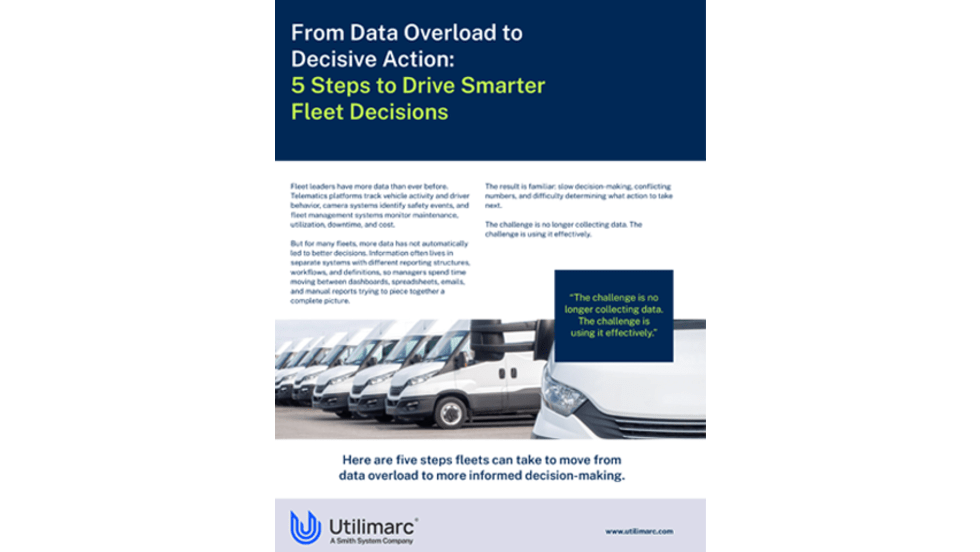
Turn Fleet Data Into Smarter Decisions
Fleet leaders have access to more operational data than ever, but disconnected systems and unclear metrics often slow decision-making instead of improving it. This article outlines five practical steps fleets can take to transform fragmented data into actionable insights that improve planning, safety, utilization, and long-term performance.
Read More →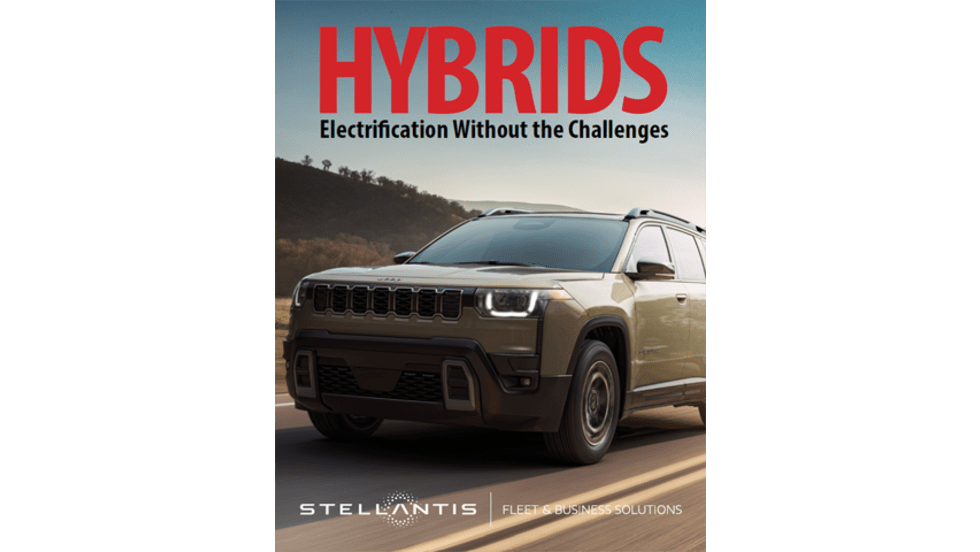
Hybrids: Electrification Without the Challenges
For fleet managers, fuel is one of the biggest line items in the budget — and it's one hybrids can shrink without changing how your people work. Download the eBook to see the numbers, understand the technology, and get a step-by-step guide to making the switch.
Read More →
How NOV Uses Telematics to Improve Fleet Safety Across 160 Locations
James Victory of NOV discusses how the company manages fleet safety, maintenance, and telematics across more than 150 locations supporting oilfield operations throughout the U.S.
Read More →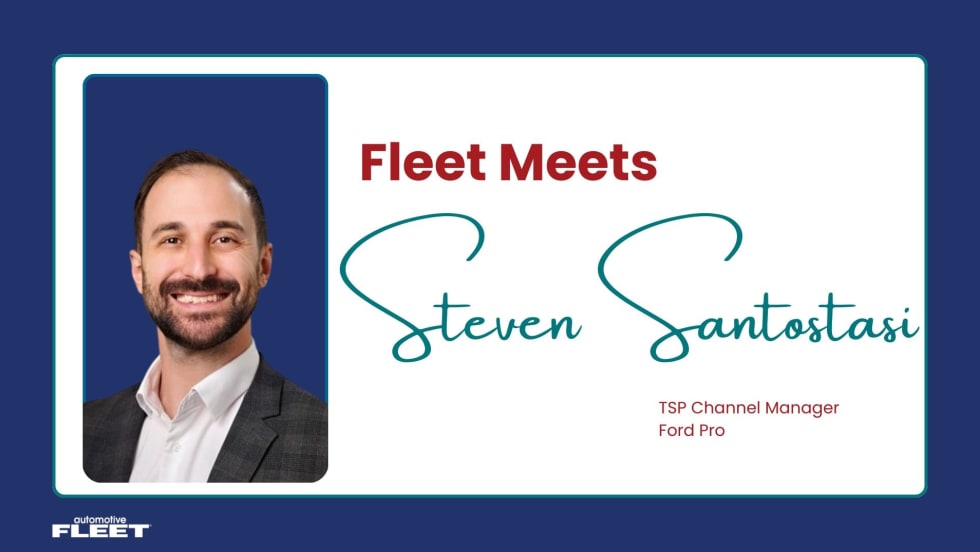
Fleet Meets: Steven Santostasi
This edition of the Fleet Meets series features Steven Santostasi, the current TSP channel manager for Ford Pro.
Read More →
Why Fleet Managers Are Replacing Departmental Vehicles with Shared Motor Pools
Departmentally assigned vehicles often create hidden costs through underutilization, poor visibility, and increased administrative burden. This white paper explores how shared motor pool strategies help fleets reduce costs, improve accountability, and optimize vehicle utilization.
Read More →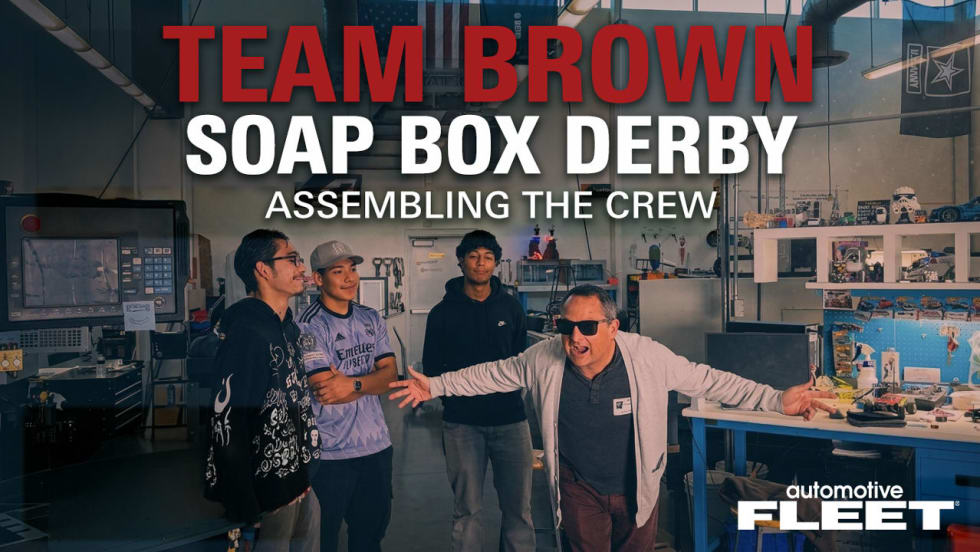
Soap Box Derby Challenge: Assembling the Crew
Meet Gabriel, Matthew, and Angel — the team helping bring this soap box derby build to life.
Read More →
BBL Fleet Acquires Velcor Leasing Corporation
BBL Fleet expanded its footprint in the fleet management industry with the acquisition of Velcor Leasing Corporation of Madison through a stock purchase agreement finalized Feb. 27, 2026.
Read More →
Lytx Introduces New AI Fleet Technologies at Protect 2026
The company introduced new AI-driven fleet safety and operations technologies during its annual user conference.
Read More →
Fleet Costs Are Rising: Here’s How Leaders Are Responding
Fleet leaders are under pressure to reduce costs, adapt to economic uncertainty, and make smarter decisions. See how peers across North America are responding with real data, proven strategies, and forward-looking insights. Download the 2026 Market Pulse Report to benchmark your strategy and uncover where you can gain an edge.
Read More →
From Waffle House to AI: Fleet Trends You Need to Know
In this AF news recap, host Faith Howell covers how Waffle House stepped up during disaster response and new AI tech on the market.
Read More →