




Mixed Reaction to FMCSA's Proposed “Black Box” Ruling
WASHINGTON, D.C. – The Federal Motor Carrier Safety Administration's (FMCSA) proposed ruling regarding electronic onboard recorders (EOBRs) has drawn a mixed response.
WASHINGTON, D.C. – The Federal Motor Carrier Safety Administration’s (FMCSA) proposed ruling regarding electronic onboard recorders (EOBRs) has drawn a mixed response, according to Telematics Update. The American Trucking Associations (ATA) said that the proposed regulation outlines a sensible approach to the greater implementation of technology designed to improve safety and document driver compliance with work and rest rules. ATA president & CEO Bill Graves said, as quoted by Telematics Update, “We support this incentive-based approach to the use of electronic onboard recorders. Technology can play a significant role in enhancing road safety and help to ensure the reliability of commercial vehicle operation.” In response to a new policy adopted by its membership, ATA has pushed for a pilot program that would determine the effectiveness of EOBRs in improving compliance and safety performance, while also addressing the industry’s diverse nature. ATA also believes that incentives would assist motor carriers in adopting the technology. The Owner-Operator Independent Drivers Association (OOIDA), however, believes the proposal is a misguided attempt to deal with the root causes of HOS violations. The OOIDA said that until the FMCSA addresses the issue of loading and unloading time, EOBRs will not be a tamper-proof record of HOS compliance. EOBRs record only the movement of a truck, not the 30–40 hours per week that drivers can spend loading and unloading. Also, OOIDA said that with many shippers and carriers paying drivers only for miles driven, there’s no incentive to address the issue of these “payment free” hours.
More Telematics
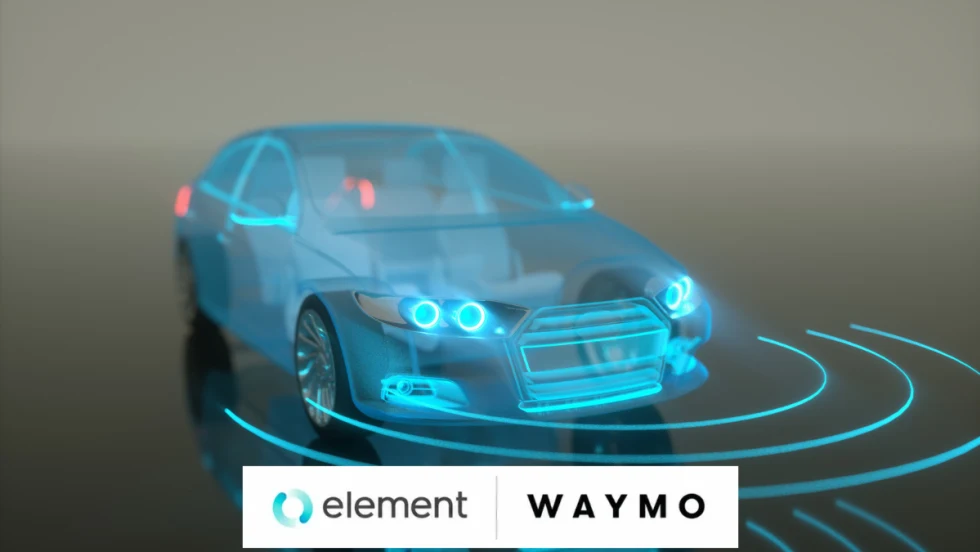
Element Expands Waymo Partnership to Support Toronto Robotaxi Fleet
As Waymo prepares to enter the Canadian market, Element Fleet Management will oversee the fleet operations supporting its planned Toronto launch. The partnership highlights the maintenance, charging, and infrastructure requirements behind operating autonomous vehicles at scale.
Read More →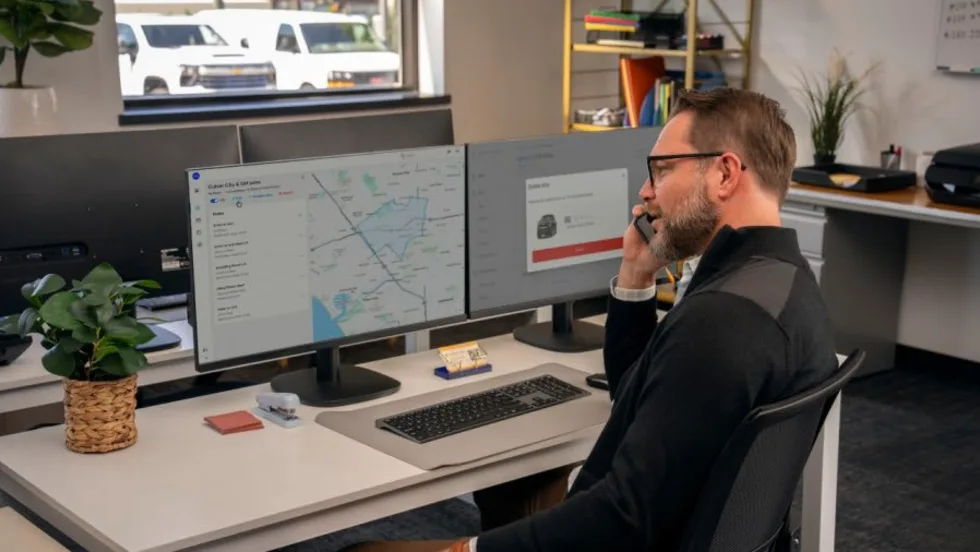
GM Launches OnStar Fleet Intelligence Platform With AI Assistant
The new platform brings vehicle data, order tracking, connected services and fleet analytics into one system, with an AI assistant that can answer fleet questions using natural-language prompts.
Read More →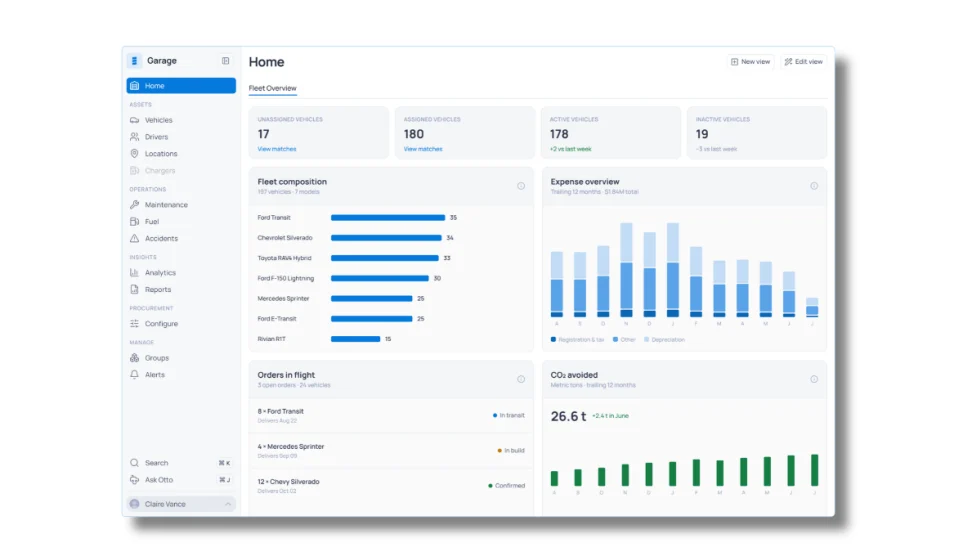
Inspiration Fleet Introduces Garage 2.0 Fleet Intelligence Platform
Fleet managers increasingly have access to data from vehicles, telematics, fuel, charging, and other systems, but those sources don't always communicate with one another. Inspiration Fleet's Garage 2.0 platform brings that information together while letting fleets keep working with different technology and service providers.
Read More →
Inside Inspiration Fleet’s New Platform for Connecting Fleet Data
Inspiration Fleet CTO Chris Getner explains how the new Garage 2.0 platform is designed to connect disparate fleet data and what that could mean for fleet managers in practice.
Read More →
Fleet Manager’s Ultimate Playbook: Navigating the New Standard in OEM Connectivity
Rising operating costs, driver safety concerns, and unplanned downtime are putting unprecedented pressure on modern fleets. Discover how fleet managers use embedded OEM connectivity and real-time vehicle data to cut TCO, prevent downtime, and protect drivers without aftermarket telematics hardware.
Read More →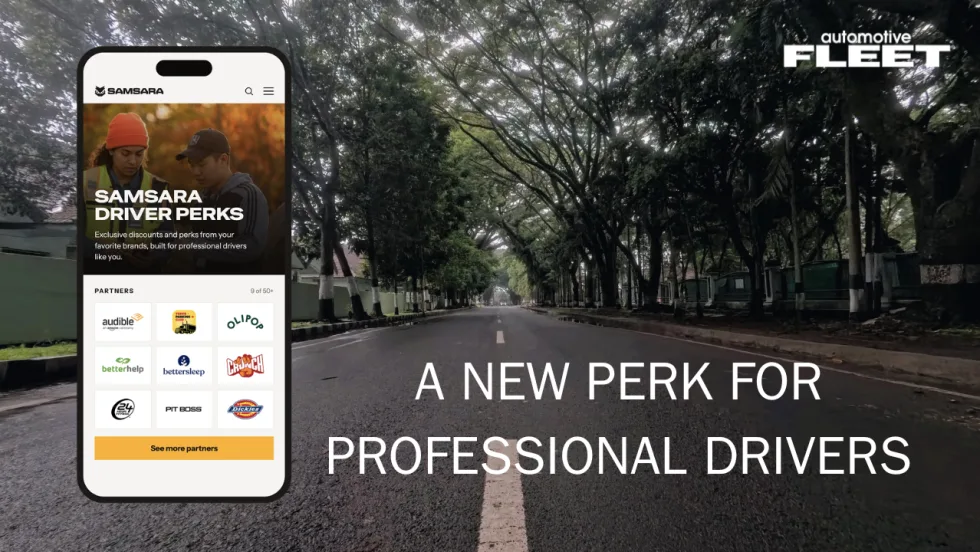
Samsara Driver Perks Adds New Benefit for Corporate Fleet Drivers
The rewards program gives eligible professional drivers access to discounts from more than 50 brands while giving fleets another way to support recruitment, retention, and the driver experience.
Read More →
Inside the Church of Jesus Christ of Latter-day Saints’ Two-Track Telematics Strategy
With 20,000 vehicles and two fundamentally different driver populations, the Church faced a fleet management problem that a single telematics program couldn't solve. How it responded offers a replicable framework for any fleet where one size doesn't fit every driver.
Read More →
How Conversational AI Can Make Fleet Tasks Easier for Drivers
While most generative AI tools help fleet managers interpret data at their desks, Connex2X is applying voice interaction to tasks behind the wheel.
Read More →
Why Fleets Are Creating Dedicated Fleet Analyst Positions
Are fleet analyst positions the new norm? Listen here to find out.
Read More →
Teletrac Navman Begins Next Chapter as Standalone Private Company
What's new with Teletrac Navman and its new owner?
Read More →