




Minneapolis Implements Green Fleet Policy
MINNEAPOLIS - Minneapolis City Council approved a green fleet policy March 7 written by the fleet division.
MINNEAPOLIS - On March 7, the Minneapolis City Council approved a Green Fleet Policy more than a year in the making. The policy aims to reduce and inventory fleet vehicle emissions, optimize fleet size, and ensure low-emission vehicle procurement.
John Scharffbillig, director of fleet services, and the Fleet Services team wrote the policy. The City operates about 2,000 units, about 1,300 of which are on-road vehicles. Scharffbillig said about 550 units of the vehicle fleet already utilize some form of alternative fuel.
The policy states that the City will establish and maintain a vehicle inventory list, which will be used for greenhouse gas (GHG) reduction initiatives and emissions monitoring. According to Scharffbillig, baseline years are between 2005-2008, depending on data availability.
To optimize fleet size, the Fleet Services division will provide utilization reports to user departments and recommend possible fleet reductions. The City will make replacement purchases for vehicles that achieve greatest emissions reductions while still being cost effective. The City will consider alt-fuel vehicles and equipment for procurement, and use of fuels with lower emissions, when appropriate and feasible. In addition, Fleet Services will use more environmentally friendly maintenance products, such as recycled coolants, re-refined oils, and retreaded tires for applicable large-wheeled or slow-moving vehicles.
The policy creates an oversight committee, the Green Fleet Team, to monitor compliance. It also authorizes the Fleet Services division to "exercise its authority to purchase vehicles that follow the City of Minneapolis Green Fleet Policy," taking into consideration user department requests.
The policy grants two exemptions: when Fleet Services does not expect to recover the additional cost of lower-emission vehicle purchases, and grant funding applications are unsuccessful; and for emergency vehicles that must provide comparable performance, safety, and fuel availability to previous models.
Fleet Services will provide a Green Fleet Annual Report to determine program effectiveness.
Already a "Green" City
Even before the policy's passage, Minneapolis had already reduced its fleet fuel consumption and emissions. According to a release from the City, it had reduced fleet fuel consumption by 6 percent from 2008 to 2010, reduced the fleet by 75 vehicles since 2008, purchased 324 alt-fuel vehicles since 2008, and switched many departments to a car sharing program for City business. Scharffbillig said car sharing allowed the City to eliminate a small pool car fleet downtown last year.
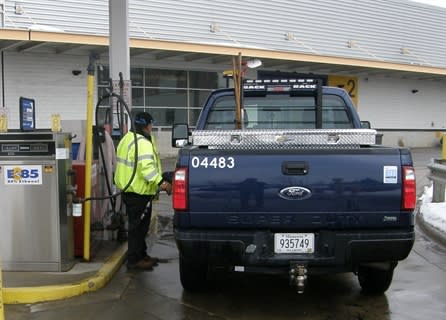
The City currently operates 548 vehicles on some form of alternative fuel. These vehicles include 383 flex fuel vehicles, mostly in the Police Department, and about 80 hybrid Ford Escapes and Toyota Priuses. Fleet Services has also retrofitted 60 heavy-duty trucks, including snow plows and fire trucks, with aftertreatment devices for diesel particulates. The City also runs some vehicles with a blend of B-10 biodiesel for testing in cold weather. They run a minimum of 5 percent all the time and, during the summer months, go up to a 20 percent in all diesel-powered equipment.
Funding for vehicle replacement purchases will come out of an annual replacement fund. Regarding concerns about the increased cost of "green" vehicles, Scharffbillig emphasized that "You don't need to buy a hybrid to go green." He cited as an example tailpipe emissions for a Ford Focus in comparison to those of a Ford Escape, using EPA Smartway guidelines, are much lower. "We don't buy [the user department] what they want; we buy them what they need to perform the function," he said.
Look for an WebXclusive next week about the steps the City of Minneapolis Fleet Services took in writing its Green Fleet Policy.
--By Thi Dao
More Green Fleet

Inspiration Mobility Acquires Key Electrada Assets
Inspiration Mobility Group has acquired select assets of Electrada, adding the fleet electrification provider's team, technology, and charging infrastructure development capabilities to its energy management business.
Read More →
Turning Connected Vehicle Data Into Decisions That Matter
Fleet leaders have more data than ever, but turning that data into clear, actionable decisions remains a challenge. This white paper shows how leading organizations are using connected vehicle data to improve safety, reduce costs, and optimize fleet performance. Learn how to turn insight into action across your fleet.
Read More →
Are You Tracking Your Fleet's True Total Cost of Ownership?
Bobit Business Media surveyed 190 fleet professionals and found that while most fleets are tracking costs, fragmented systems and data gaps are keeping true TCO visibility out of reach. With rising pressure to control spend in an increasingly volatile environment, the gap between what fleets think they know and what the data actually shows is wider than you might expect. See how your peers are managing costs today and where the industry still has room to improve.
Read More →
Hybrids: Electrification Without the Challenges
For fleet managers, fuel is one of the biggest line items in the budget — and it's one hybrids can shrink without changing how your people work. Download the eBook to see the numbers, understand the technology, and get a step-by-step guide to making the switch.
Read More →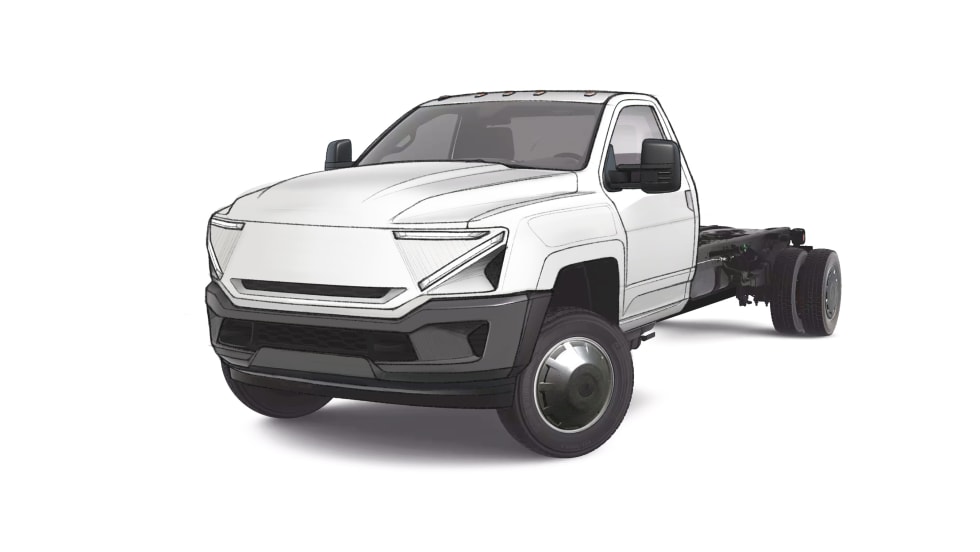
Startup ZMD Motors Developing Electric Conversion for Ram 5500 Work Trucks
Detroit-based company says it has begun early development of a system to convert internal combustion Ram 5500 chassis-cab trucks to electric power.
Read More →
U.S. EV Adoption Is Climbing, but Commercial and Passenger Markets Diverge
New industry group data revealed that light-duty electric vehicle sales are hitting record market share and volumes, while commercial EV volume dipped. What’s driving the fluctuations?
Read More →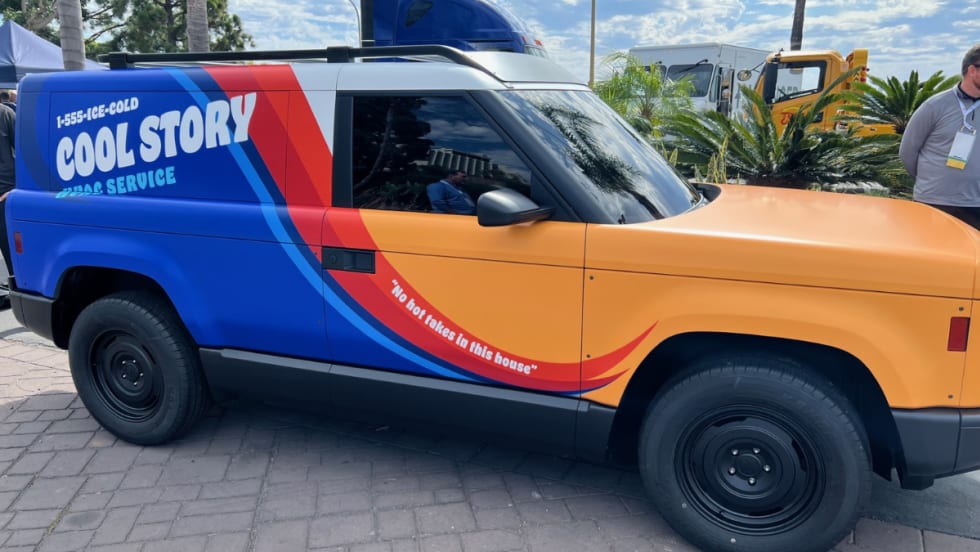
How To Upfit Electric Work Trucks and Vans
The biggest challenge lies in balancing additional equipment and accessories with EV battery capacity and range.
Read More →
How Fleets Can Adjust Approaches To EV Adoption
With the expiration of federal incentives, EV success now hinges less on government policy and more on discounts, battery tech progress, increased range, and broader infrastructure.
Read More →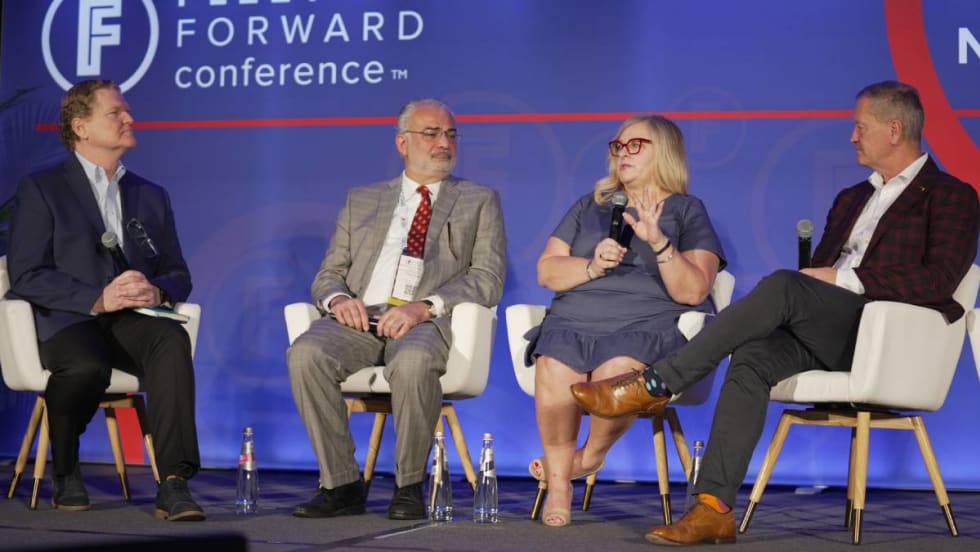
Despite World Troubles, Forward Thinking Guides Fleets
Fleet operators shared their challenges during an annual conference that embraced the latest advances across all aspects of running private- and public-sector vehicles.
Read More →
GM Energy Details Partnerships and Targets for Public Charging Build-Out
EVgo, Pilot, ChargePoint and IONNA named; goal is 35k GM-invested DC stalls by 2030, with customer-experience upgrades at sites.
Read More →