




Michigan Seeks to Integrate Plug-in Hybrids into Electric Grid
LANSING, Mich. --- The Michigan Public Service Commission (MPSC) this week launched a pilot program designed to integrate plug-in hybrid electric vehicles (PHEVs) into Michigan's electric grid.
LANSING, Mich. --- The Michigan Public Service Commission (MPSC) this week launched a pilot program designed to integrate plug-in hybrid electric vehicles (PHEVs) into Michigan's electric grid.
"As the automotive leader of the world, Michigan is uniquely equipped to lead the effort to integrate plug-in hybrid vehicles into its electric grid," said MPSC Chairman Orjiakor Isiogu, a member of the Smart Grid Collaborative effort between the Federal Energy Regulatory Commission (FERC) and the National Association of Regulatory Utility Commissioners (NARUC). "The widespread adoption of PHEVs has the potential to significantly reduce gasoline consumption, while reducing the overall greenhouse gas emissions produced in the state. The success of plug-in hybrid vehicles is dependent on the deployment of intelligent grid technology. So, this represents a unique opportunity for Michigan's electric utilities to expand sales, without contributing to system peak, while simultaneously reducing the overall level of greenhouse gas emissions from the transportation and utility sectors."
PHEV technology also has the potential to provide peak load power during high-demand periods, if a utility's electric distribution system provides vehicle-to-grid (V2G) capability through smart grid technologies.
The commission notes that achieving a high penetration of PHEVs that retains the stability of the electric grid is dependent on smart grid infrastructure research and development. Therefore, the MPSC is requiring all regulated electric distribution companies to participate in the smart grid collaborative, expanded by this week's order to include PHEV pilot projects. The MPSC encourages other interested parties to participate as well.
In particular, the PHEV aspect of the smart grid collaborative will include:
* Using actual vehicles, some of which incorporate V2G systems, if and when available
* Analyzing the environmental effects in Michigan of PHEVs at low, medium and high levels of adoption, with and without V2G capability
* Analyzing the effect of PHEVs on Michigan utility and regional electric system load duration curves and the effect of PHEV market penetration on generation mix and capacity requirements
* Analyzing the technical issues related to the participation of V2G in the Midwest Independent Transmission System Operators' ancillary services market
* Analyzing meter and time-based pricing policies for electricity used to charge electric vehicles.
This week's order directs the MPSC staff to submit annual reports on the status of the PHEV collaborative, with the first report due by June 30, 2009. Interim reports may be filed, as appropriate.
The commission is encouraging transmission providers, customers and customer groups, Michigan universities and colleges, automotive manufacturers and suppliers, and other electric industry stakeholders to participate in the collaborative.
The MPSC is an agency within the Department of Labor & Economic Growth.
More Green Fleet

Inspiration Mobility Acquires Key Electrada Assets
Inspiration Mobility Group has acquired select assets of Electrada, adding the fleet electrification provider's team, technology, and charging infrastructure development capabilities to its energy management business.
Read More →
Turning Connected Vehicle Data Into Decisions That Matter
Fleet leaders have more data than ever, but turning that data into clear, actionable decisions remains a challenge. This white paper shows how leading organizations are using connected vehicle data to improve safety, reduce costs, and optimize fleet performance. Learn how to turn insight into action across your fleet.
Read More →
Are You Tracking Your Fleet's True Total Cost of Ownership?
Bobit Business Media surveyed 190 fleet professionals and found that while most fleets are tracking costs, fragmented systems and data gaps are keeping true TCO visibility out of reach. With rising pressure to control spend in an increasingly volatile environment, the gap between what fleets think they know and what the data actually shows is wider than you might expect. See how your peers are managing costs today and where the industry still has room to improve.
Read More →
Hybrids: Electrification Without the Challenges
For fleet managers, fuel is one of the biggest line items in the budget — and it's one hybrids can shrink without changing how your people work. Download the eBook to see the numbers, understand the technology, and get a step-by-step guide to making the switch.
Read More →
Startup ZMD Motors Developing Electric Conversion for Ram 5500 Work Trucks
Detroit-based company says it has begun early development of a system to convert internal combustion Ram 5500 chassis-cab trucks to electric power.
Read More →
U.S. EV Adoption Is Climbing, but Commercial and Passenger Markets Diverge
New industry group data revealed that light-duty electric vehicle sales are hitting record market share and volumes, while commercial EV volume dipped. What’s driving the fluctuations?
Read More →
How To Upfit Electric Work Trucks and Vans
The biggest challenge lies in balancing additional equipment and accessories with EV battery capacity and range.
Read More →
How Fleets Can Adjust Approaches To EV Adoption
With the expiration of federal incentives, EV success now hinges less on government policy and more on discounts, battery tech progress, increased range, and broader infrastructure.
Read More →
Despite World Troubles, Forward Thinking Guides Fleets
Fleet operators shared their challenges during an annual conference that embraced the latest advances across all aspects of running private- and public-sector vehicles.
Read More →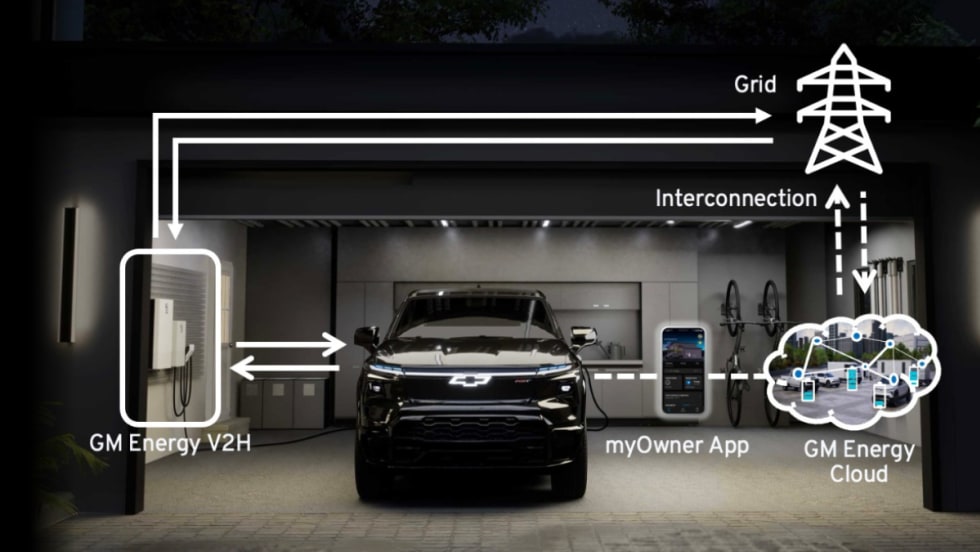
GM Energy Details Partnerships and Targets for Public Charging Build-Out
EVgo, Pilot, ChargePoint and IONNA named; goal is 35k GM-invested DC stalls by 2030, with customer-experience upgrades at sites.
Read More →