




MI, NJ, MA, RI and CA are States Most Expensive to Drive; AL, VT, IA, TN and SD Least Costly
Drivers in Michigan, New Jersey, Massachusetts, Rhode Island, and California pay, on average, the most to own and operate their vehicles, according to a 50-state analysis of 2001 vehicles by Runzheimer International. Annual operating costs, including fuel, oil, tires, and maintenance, for Michigan are $2,070. Annual fixed or ownership costs, including insurance, depreciation, financing, taxes, and license and registration fees, are $6,599, for total annual costs of $8,669, the highest in the United States. Total annual fixed and operating costs in New Jersey are $8,619; Massachusetts, $8,590; Rhode Island, $8,448; and California, $8,376. Alabama drivers, on the other hand, pay only $1,890 in operating costs, $5,212 in fixed costs, for total annual costs of $7,102, more than $1,500 less per year than Michigan drivers. Other states less expensive to operate vehicles include Vermont, $7,127; Iowa, $7,144; Tennessee, $7,148; and South Dakota, $7,149. “Insurance plays a large role in cost differences between cities, states, and regions of the country,” says David Friedlen, director of product development and research of Runzheimer. “Accident rates, collision damage, auto theft, and medical claims all help determine how insurance carriers set rates.” “But other factors are important, too, such as fuel costs; labor rates which, in part, determine maintenance costs; and annual state taxes on ‘luxury items’ such as cars, among other cost differences.” The bottom line, says Friedlen: “Where you drive plays a major role in how much it costs to drive.”
More Operations

Moventum Fleet Management Names Mark Iorillo Head of Sales
Iorillo brings nearly 20 years of fleet management and sales experience to the role, including previous positions at Element Fleet Management, CEI, Donlen and Ryder.
Read More →
Fleet Has a Talent Pipeline Problem. What Comes Next? | AF News Recap
Where will fleet’s next generation of leaders come from? This week, we’re looking at the industry’s talent pipeline, what certification can add to a fleet career, how to build an award-worthy track record, and the return of Automotive Fleet’s Personal Use Survey.
Read More →
Smith System Launches Driver Risk Management Program
Fleets have more driver data than ever, but identifying risky behavior doesn't necessarily correct it. Smith System's new Driver Risk Management program combines monitoring, training, and follow-up coaching to help fleets connect risk signals with driver intervention.
Read More →
Automotive Fleet Opens 2026 Personal Use Survey for Commercial Fleet Managers
Less than two weeks left! Commercial and corporate fleet managers are invited to share how their organizations handle company vehicle personal-use policies, charges, and driver eligibility.
Read More →
From AI Prompts to AI-Generated Safety Songs | AF News Recap
Can better prompts make AI more useful for fleet managers? This week, we’re breaking down smarter fleet analysis, an AI-assisted experiment that turned safety training into music, and what happened to fuel prices in August.
Read More →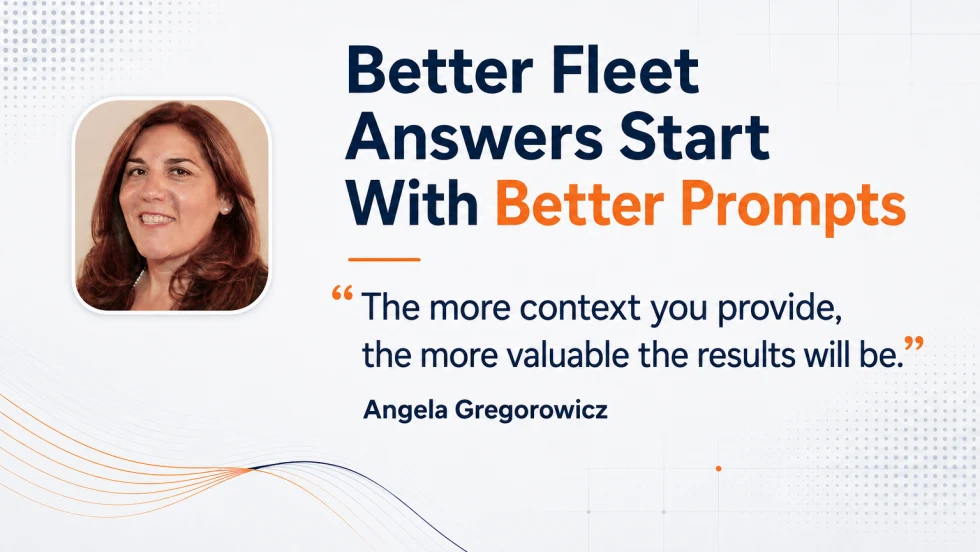
How to Write Better AI Prompts for Fleet Analysis
Include these six elements in your fleet prompts to generate more relevant analysis and accurate answers.
Read More →
Fleet Meets: Eric Kilgore
This edition of the Fleet Meets series features one of the industry's best leaders driving multi-market and national operations.
Read More →
Why Reactive Fleet Management Is Becoming Too Expensive to Sustain
Research highlights a growing need for proactive management strategies to address rising costs in fleet operations effectively.
Read More →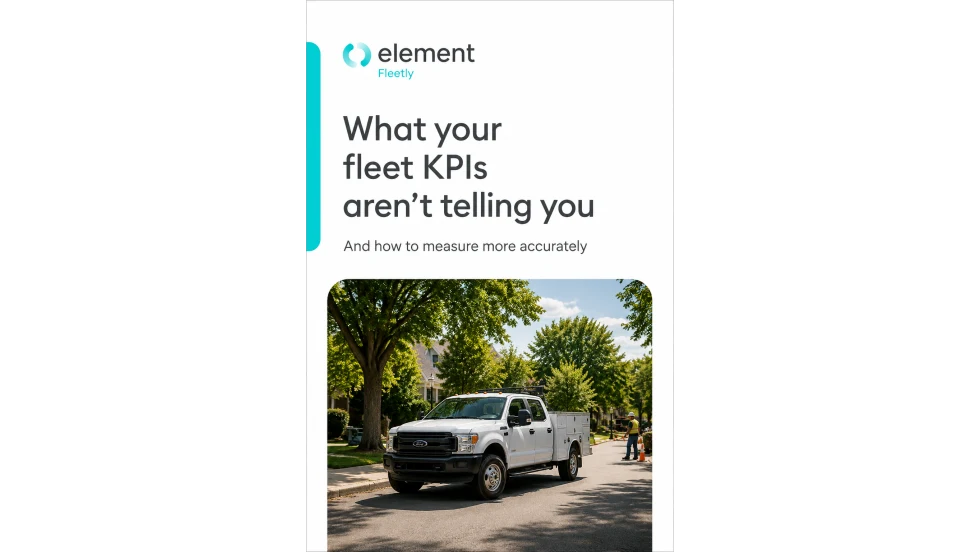
What Your Fleet KPIs Aren’t Telling You
Tracking fleet metrics is only useful when the data leads to better decisions. This guide helps fleet leaders assess cost, utilization, and downtime more accurately, identify performance gaps, and prioritize the actions that can improve operational results.
Read More →
Hidden in Plain Sight: Fleet Compliance Risks
Fleet compliance isn't just about having policies — it's about consistently enforcing them. This practical guide reveals six hidden compliance risks common in public sector and shared fleet operations and outlines proven strategies to improve visibility, accountability, and audit readiness
Read More →