




Mercedes Sees Electric-Car Progress
NEW YORK – Mercedes-Benz said it will have a demonstration fleet of electric vehicles on the road in two to three years.
NEW YORK – Mercedes-Benz said it will have a demonstration fleet of practical electric vehicles on the road in two to three years. They’re expected to run 80 miles or more on lithium-ion batteries the German automaker is developing. Regular production could begin a few years later, according to www.usatoday.com. The announcement followed its recent declaration that it will be first in the U.S. market with a gasoline-electric hybrid using a lithium battery pack.
The first-to-market Mercedes hybrid using lithium-ion batteries will be a gasoline-electric version of its S-class sedan in 2009. Its V-6 gasoline engine, helped by an electric motor, will feel like a V-8 but use less fuel.
A key hurdle to using auto-scale lithium batteries is that they require careful temperature management and monitoring of the charge in each individual cell. Mercedes said it has solved those issues for the hybrid batteries and hopes to say the same soon for a different version needed for its pure electric car based on its Smart brand of tiny two-seaters.
Mercedes’ lithium batteries will come from a new factory in France, operated by JCS. That’s a joint venture between U.S. components supplier Johnson Controls and French battery company Saft.
Even though Mercedes expects to be first with hybrids using lithium-ion batteries, General Motors aims to be first to field a showroom-ready pure electric vehicle using lithium. Its Chevrolet Volt two-seater is planned for late 2010 or 2011, priced about $35,000, according to www.usatoday.com.
Unlike gas-electric hybrids, electric cars such as Volt and the Smart will be propelled entirely by an electric motor running on batteries. They can be recharged by plugging into an outlet for six hours or more.
Lithium batteries’ extra storage capacity would allow plug-in hybrid electric vehicles (PHEVs) to go farther before needing help from their gasoline engines. PHEVs, like electric cars, can be recharged by plugging into an electric outlet. PHEVs and electric cars need more robust lithium batteries than conventional hybrids, because the batteries undergo a more severe duty cycle, charged to the brim then nearly drained.
Toyota Motor is also expanding lithium battery development and production.
More Green Fleet

Stop Remarketing Electric Vehicles Like Gas Cars
The advantages and attributes of electric vehicles are upending the traditional remarketing cycle, requiring fleet sellers to rely on new factors and approaches detailed below.
Read More →
Slate Debuts Colorful, Unique EV Models
A recent media and client event, studded with electric vehicles dressed up on platforms, planted a new position for the manufacturer in the wider EV market. Fleets will find cost-saving advantages.
Read More →
Slate Electric SUV, Pickup Switchable Model Aims For Light-Duty Fleets
Everything about this EV is counterintuitive and understated, making it stand out from the crowd.
Read More →
Inspiration Mobility Acquires Key Electrada Assets
Inspiration Mobility Group has acquired select assets of Electrada, adding the fleet electrification provider's team, technology, and charging infrastructure development capabilities to its energy management business.
Read More →
Turning Connected Vehicle Data Into Decisions That Matter
Fleet leaders have more data than ever, but turning that data into clear, actionable decisions remains a challenge. This white paper shows how leading organizations are using connected vehicle data to improve safety, reduce costs, and optimize fleet performance. Learn how to turn insight into action across your fleet.
Read More →
Are You Tracking Your Fleet's True Total Cost of Ownership?
Bobit Business Media surveyed 190 fleet professionals and found that while most fleets are tracking costs, fragmented systems and data gaps are keeping true TCO visibility out of reach. With rising pressure to control spend in an increasingly volatile environment, the gap between what fleets think they know and what the data actually shows is wider than you might expect. See how your peers are managing costs today and where the industry still has room to improve.
Read More →
Hybrids: Electrification Without the Challenges
For fleet managers, fuel is one of the biggest line items in the budget — and it's one hybrids can shrink without changing how your people work. Download the eBook to see the numbers, understand the technology, and get a step-by-step guide to making the switch.
Read More →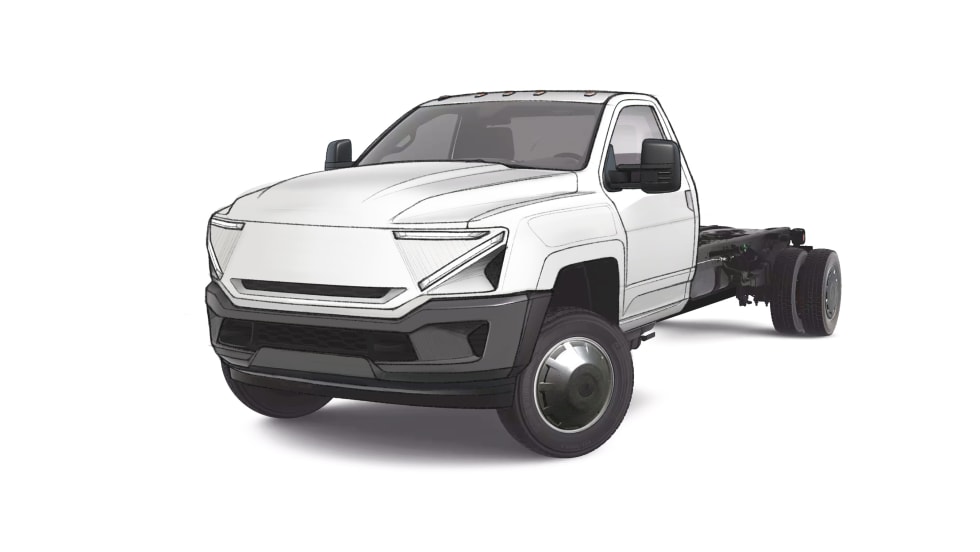
Startup ZMD Motors Developing Electric Conversion for Ram 5500 Work Trucks
Detroit-based company says it has begun early development of a system to convert internal combustion Ram 5500 chassis-cab trucks to electric power.
Read More →
U.S. EV Adoption Is Climbing, but Commercial and Passenger Markets Diverge
New industry group data revealed that light-duty electric vehicle sales are hitting record market share and volumes, while commercial EV volume dipped. What’s driving the fluctuations?
Read More →
How To Upfit Electric Work Trucks and Vans
The biggest challenge lies in balancing additional equipment and accessories with EV battery capacity and range.
Read More →