




Mercedes-Benz USA Delivers First Customer Zero-Emission F-CELL Vehicle
LOS ANGELES - The keys to the very first Mercedes-Benz B-Class F-CELL vehicle available to U.S. customers was presented during an official hand-over at the newly renovated dealership of Fletcher Jones Mercedes-Benz in Newport Beach, Calif.
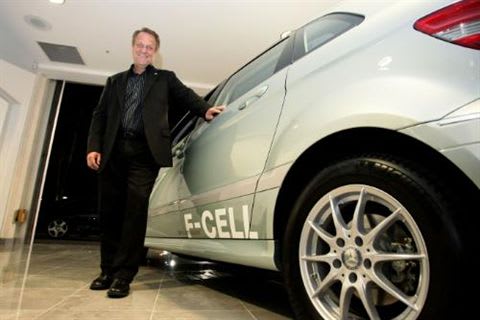
Vance Van Petten is part of a select group of participants in a Mercedes-Benz lease program for the B-Class F-CELL Hydrogen car.
LOS ANGELES - The keys to the very first Mercedes-Benz B-Class F-CELL vehicle available to U.S. customers was presented to Vance Van Petten during an official hand-over at the newly renovated dealership of Fletcher Jones Mercedes-Benz in Newport Beach, Calif.
Van Petten, executive director of the Producers Guild of America, is part of a select group of participants in a Mercedes-Benz lease program for the B-Class F-CELL Hydrogen car. As part of an initiative to further develop F-CELL vehicles and gain real-world experience in the United States, these vehicles will also be used to provide driving data to the Department of Energy (DOE) to support their Hydrogen to the Highways program. Due to the restricted number of hydrogen fueling stations, Mercedes-Benz sought prospects for the F-CELL lease through its own survey and vetting process to determine who among the many applicants would become among the first to lease the F-CELL hydrogen vehicles.
"As a long-time environmental advocate and supporter of sustainable production and eco-friendly transport, I'm thrilled to be driving a vehicle that I believe represents the future of environmentally thoughtful transportation -- not only does it have zero emissions, but it also provides me with all of the safety technology one expects from Mercedes-Benz," said Van Petten.
Powered by an electric motor with 134 horsepower and 215 lb.-ft, of torque, the new B-Class F-CELL provides driving performance comparable to a similar conventional car with about half the fuel consumption. The car utilizes a fuel cell stack for generating electricity and a lithium ion battery for energy storage. Taking only approximately three minutes to refuel, The B-Class F-CELL emits only water as a by-product of the fuel cell system.
"The introduction of the F-CELL in California marks the beginning of zero emission Fuel Cell technology in the US for Mercedes-Benz," said Sascha Simon, head of advanced product planning at Mercedes-Benz USA. "With a range of 240 miles that never needs to be plugged and more than 15 years of Mercedes-Benz research already committed to the technology, we believe this is a great addition to our fast growing portfolio of alternative fuel vehicles that customers can choose from to best suit their lifestyle."
The F-Cell made an appearance this summer at the U.S. Open Tennis Championships where Mercedes-Benz is the official vehicle. It played its part within the overall green fleet for VIP and player transportation, which also included Mercedes-Benz S400 Hybrid sedans. Alec Baldwin, this past tournament's USTA green ambassador arrived at the tournament's Opening Ceremony in the F-CELL.
Additional information on leasing an F-CELL is available at www.mbusadigitalmedia.com/fcellsurvey/index.aspx.
More Green Fleet

EV Charging Use Is Outpacing Infrastructure Growth
ChargePoint’s 2026 Charging Forward Report points to rising charger use, higher-powered charging, commercial vehicle electrification, and energy-management technology. Here’s what fleets should know.
Read More →
Merchants Fleet Reports 290M EV Miles as Fleets Navigate Changing Electrification Market
From millions in operating savings to hundreds of millions of EV miles, Merchants Fleet’s latest report reveals what’s working and what’s changing in fleet electrification.
Read More →
The EV Breakdown Nobody's Talking About: Why Most Electric Vehicle Roadside Calls Aren't Mechanical Failures
Here's why EV breakdowns are widely misunderstood.
Read More →
ChargePoint Now Available in Energy Pass
ChargePoint and additional planned charging network integrations were added to GM's Energy Pass.
Read More →
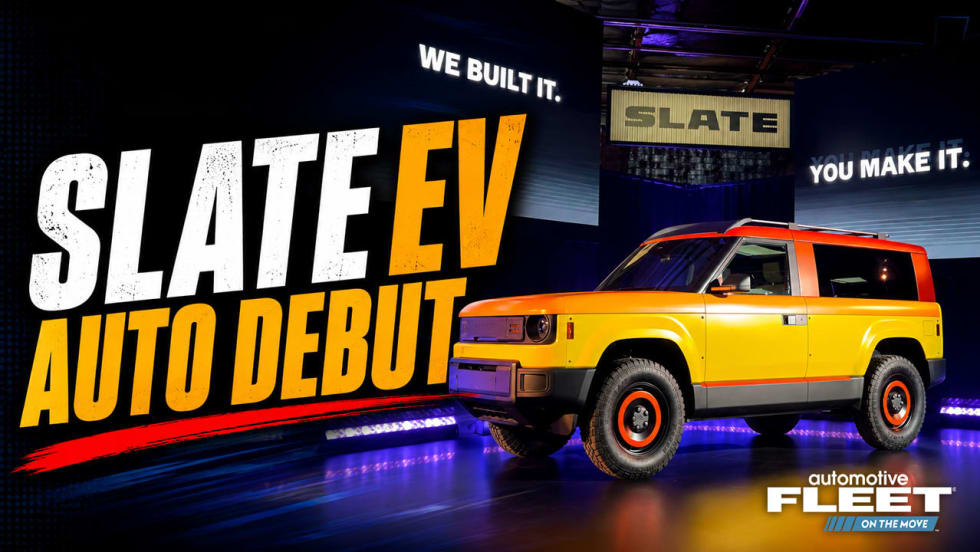
First Look: Slate Auto's Electric Fleet Pickup
Could an affordable, modular EV pickup make electrification more practical for fleets?
Read More →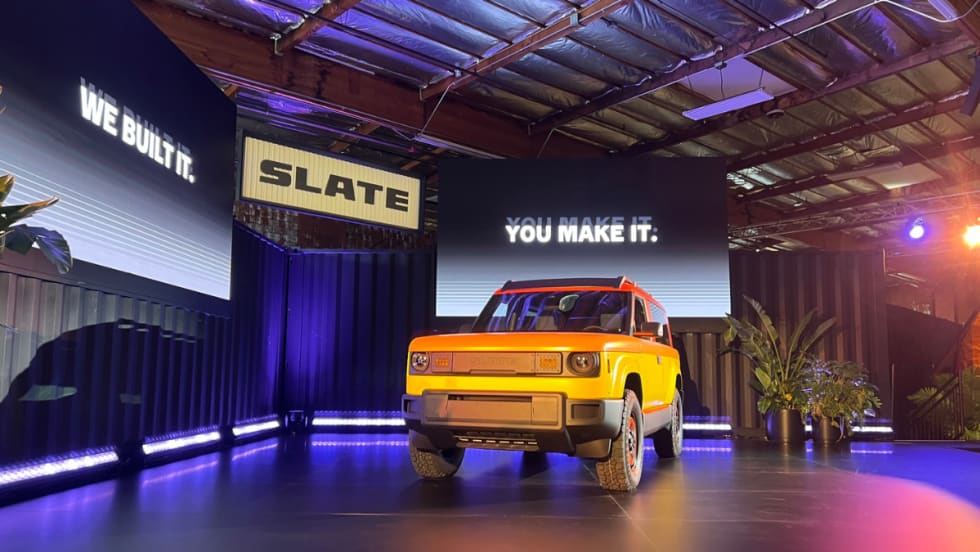
Slate Debuts Colorful, Unique EV Models
A recent media and client event, studded with electric vehicles dressed up on platforms, planted a new position for the manufacturer in the wider EV market. Fleets will find cost-saving advantages.
Read More →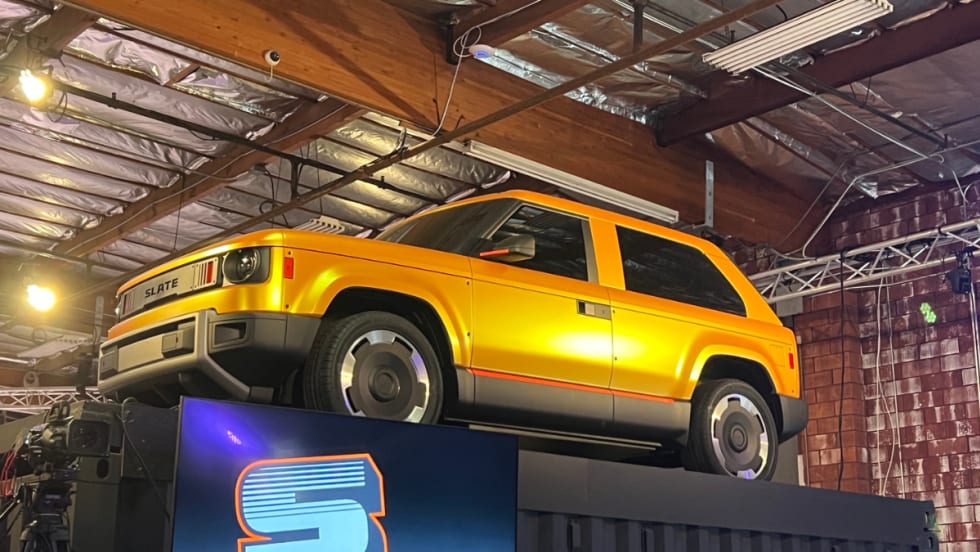
Slate Electric SUV, Pickup Switchable Model Aims For Light-Duty Fleets
Everything about this EV is counterintuitive and understated, making it stand out from the crowd.
Read More →
Inspiration Mobility Acquires Key Electrada Assets
Inspiration Mobility Group has acquired select assets of Electrada, adding the fleet electrification provider's team, technology, and charging infrastructure development capabilities to its energy management business.
Read More →
Turning Connected Vehicle Data Into Decisions That Matter
Fleet leaders have more data than ever, but turning that data into clear, actionable decisions remains a challenge. This white paper shows how leading organizations are using connected vehicle data to improve safety, reduce costs, and optimize fleet performance. Learn how to turn insight into action across your fleet.
Read More →