




Mercedes-Benz US CEO Sees Better Sales Ahead
SAN FRANCISCO - Daimler AG's Mercedes-Benz premium auto division expects year-on-year U.S. sales growth in the next few months and the potential to increase its U.S. market share next year.
SAN FRANCISCO - Daimler AG's Mercedes-Benz premium auto division expects year-on-year U.S. sales growth in the next few months and the potential to increase its U.S. market share next year, U.S. Chief Executive Ernst Lieb said.
Mercedes, which has seen its U.S. sales fall 20 percent so far this year, posted a 21.3 percent rise in U.S. sales in October, its best month of the year so far, according to Reuters.
The results from Mercedes followed the industry's best monthly performance of 2009 outside of months in the summer that were boosted by the U.S. government "cash for clunkers" incentives program.
U.S. auto industry sales hit a 10.46 million unit annualized rate in October, the best monthly performance of the year outside of "clunkers" fueled July and August results.
Lieb, in an interview, said the industrywide sales atmosphere seems to be improving though it may be too early to say whether the U.S. auto market has turned a corner.
"I think it's too early to say it's turning," Lieb said. "At best I would say it's maybe some stabilization."
"It (market) becomes a little bit more predictable, from a dealer perspective at least," he added. "There seems to be some traffic. People are a little bit more willing to look at a new car and spending money."
Auto sales in the United States have been hurt in the past year as customers tightened purse strings amid a weak economy. The economic meltdown came on the heels of already-weakening vehicle demand amid record-high gasoline prices last year.
Even luxury vehicle makers, who typically are more insulated from market volatility, suffered with the global credit crunch that has plunged the U.S. economy into recession and created a backlash against lavish and conspicuous spending.
Lieb said the U.S. auto market is taking a step in the right direction but is "certainly not in the clear yet."
"We should be seeing a little bit of plus on November and most likely in December," he said of Mercedes' U.S. sales.
For 2010, Lieb said the forecast for industry-wide sales of 11.3 million vehicles appears "realistic" and Mercedes could potentially increase its market share next year, especially with its redesigned E class car.
The luxury car maker said it is also getting ready to launch its hydrogen-powered fuel cell vehicles next year.
Lieb said the company will be launching only 50 such vehicles initially as it tests the acceptance for them.
Mercedes is investing in a range of green technologies as the market for such technologies is still evolving and there has yet to be a consensus on what type of vehicles consumers would adopt, Lieb said.
Fuel cells are not a new concept to the industry. Most major automakers have spent billions of dollars in researching a hydrogen-powered fuel cell for vehicles, tempted by the idea of a car that uses no gasoline and emits only water vapor. That research is now mostly on the back burner, given the expense, transportation issues and volatility of hydrogen gas.
Lieb said while Mercedes is experimenting with fuel cell vehicles, the technology "still has a long way to go."
More Operations
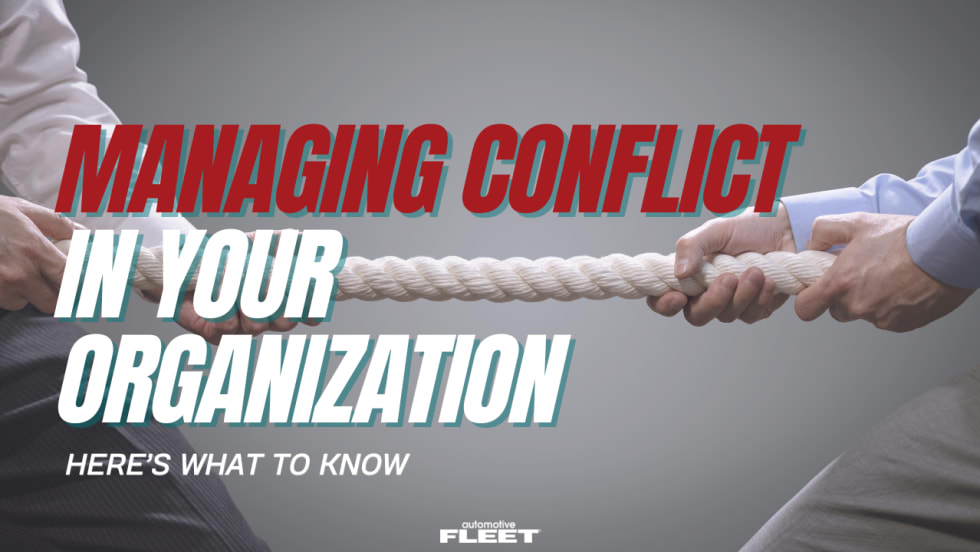
How to Manage Conflict for Your Fleet Operations
Conflict management is becoming a core leadership skill. Here are five strategies fleet leaders should know.
Read More →
Turning Connected Vehicle Data Into Decisions That Matter
Fleet leaders have more data than ever, but turning that data into clear, actionable decisions remains a challenge. This white paper shows how leading organizations are using connected vehicle data to improve safety, reduce costs, and optimize fleet performance. Learn how to turn insight into action across your fleet.
Read More →
Cameras, Safety and Insurance: From Reactive Claims to Real-time Prevention
Commercial auto remains one of the most challenging and costly lines of coverage for fleet operators and insurers alike. Learn more about how to effectively address these issues from Onur Aksan, Enterprise Business Development Executive, Geotab.
Read More →

Are You Tracking Your Fleet's True Total Cost of Ownership?
Bobit Business Media surveyed 190 fleet professionals and found that while most fleets are tracking costs, fragmented systems and data gaps are keeping true TCO visibility out of reach. With rising pressure to control spend in an increasingly volatile environment, the gap between what fleets think they know and what the data actually shows is wider than you might expect. See how your peers are managing costs today and where the industry still has room to improve.
Read More →
Turn Fleet Data Into Smarter Decisions
Fleet leaders have access to more operational data than ever, but disconnected systems and unclear metrics often slow decision-making instead of improving it. This article outlines five practical steps fleets can take to transform fragmented data into actionable insights that improve planning, safety, utilization, and long-term performance.
Read More →
Hybrids: Electrification Without the Challenges
For fleet managers, fuel is one of the biggest line items in the budget — and it's one hybrids can shrink without changing how your people work. Download the eBook to see the numbers, understand the technology, and get a step-by-step guide to making the switch.
Read More →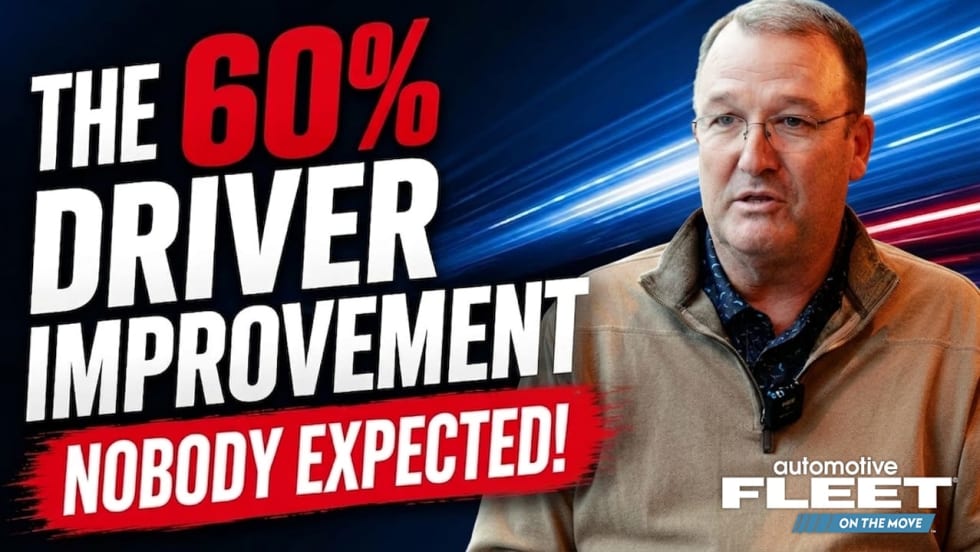
How NOV Uses Telematics to Improve Fleet Safety Across 160 Locations
James Victory of NOV discusses how the company manages fleet safety, maintenance, and telematics across more than 150 locations supporting oilfield operations throughout the U.S.
Read More →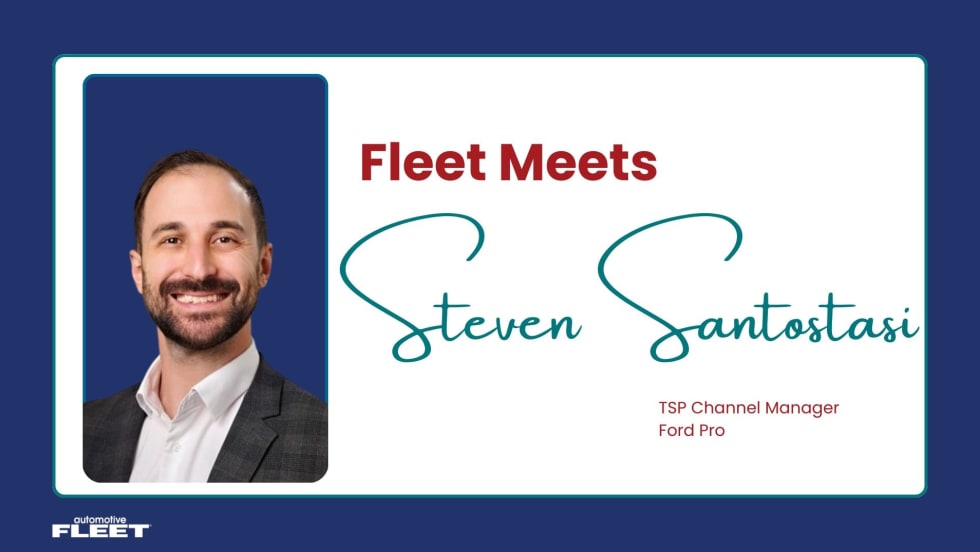
Fleet Meets: Steven Santostasi
This edition of the Fleet Meets series features Steven Santostasi, the current TSP channel manager for Ford Pro.
Read More →
Why Fleet Managers Are Replacing Departmental Vehicles with Shared Motor Pools
Departmentally assigned vehicles often create hidden costs through underutilization, poor visibility, and increased administrative burden. This white paper explores how shared motor pool strategies help fleets reduce costs, improve accountability, and optimize vehicle utilization.
Read More →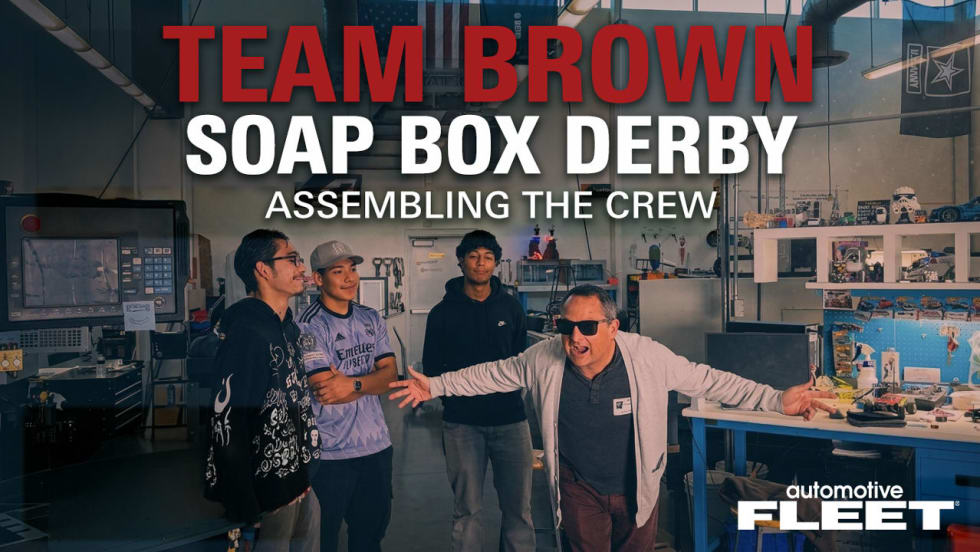
Soap Box Derby Challenge: Assembling the Crew
Meet Gabriel, Matthew, and Angel — the team helping bring this soap box derby build to life.
Read More →