




Mercedes-Benz Unveils Next-Generation E-Class Wagon
MONTVALE, NJ - Mercedes-Benz is launching its next-generation E-Class wagon at the New York International Auto Show April 2-11.
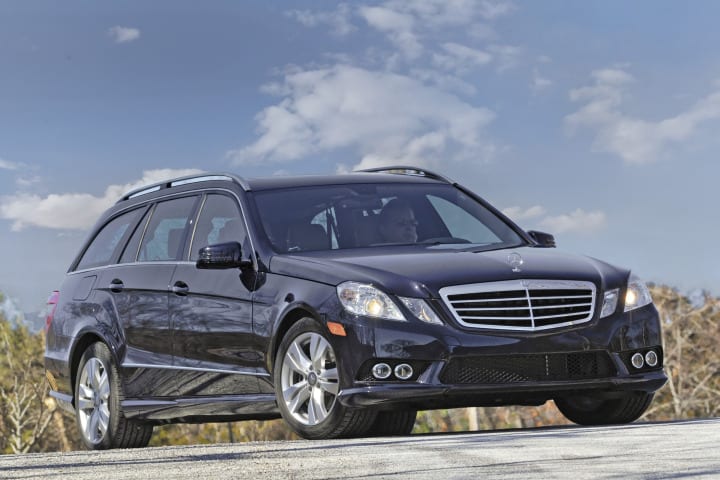
MONTVALE, NJ - Mercedes-Benz is launching its next-generation E-Class wagon at the New York International Auto Show, open to the public April 2-11, at the Jacob Javits Center in Manhattan. Packed with useful new safety technology, the stylish 2011 E350 4MATIC wagon is expected to reach U.S. dealerships this summer.
While the new E-Class wagon is styled more like a traditional sedan than an SUV, it boasts outstanding utility, according to the manufacturer. Standard 4MATIC all-wheel drive provides an extra measure of traction, whether the road surface is wet, dry or covered with snow.
Aluminum roof rails are standard, and inside, a 60-40 fold-down rear seat makes for flexible cargo capacity. Its normal five-seat configuration can expand to seven seats by unfolding a standard third-row seat from the luggage compartment floor. The E-Class wagon is the only vehicle in its market segment to feature seven-place seating, according to MBUSA. With coil spring suspension up front and electronically controlled air springs at the rear, its load-leveling air suspension keeps the car level regardless of the cargo weight.
A luggage cover and cargo net are attached at the beltline so they don't interfere with the fold-down rear seat. At the same time, the cover can be attached to the folded seatbacks if needed, and it can be raised conveniently whenever the standard power liftgate is opened.
The new E350 wagon comes standard with 4MATIC all-wheel drive. The latest Mercedes-Benz 4MATIC system is cleanly integrated into the automatic transmission so it fits right into the standard body and utilizes the existing front suspension. Fuel efficiency has been improved, due to a number of innovative measures that minimize the energy needed to turn the extra gears and shafts.
Fitted with standard 17-inch split-five-spoke alloy wheels, the E-Class wagon is available in Sport or Luxury trim. All Luxury models come with a comfort suspension and can be identified by a four-lamella front grille and an interior featuring burl walnut trim. Sport models have a three-lamella grille and are fitted with sport suspension that includes a slightly lower ride height. Inside, the Sport model includes a unique tone-in-black interior theme featuring black-ash wood trim.
The new ATTENTION ASSIST system can alert a driver to the first signs of drowsiness, a factor that causes more than 100,000 accidents a year in the U.S., according to MBUSA. A steering sensor is coupled to smart software that uses 70 parameters to establish a unique driver profile during the first 20 minutes of driving. Between 50 and 112 mph, the system identifies the erratic steering corrections drivers make as they begin to get drowsy and triggers an audible warning, and a "Time for a Rest?" message with a coffee cup icon in the instrument cluster.
The E-Class now comes with a new knee air bag for the driver that minimizes leg injuries in frontal collisions, while new pelvic air bags work with the existing curtain and side air bags to provide extra protection for front passengers in dangerous side-impact collisions. Combined with front air bags, the E-Class now boasts nine supplemental restraints, and rear side air bags are optionally available.
Also standard is a COMAND system featuring a large seven-inch color display screen with a standard in-dash, six-disc CD/DVD changer and a Bluetooth interface that allows a phone still in a pocket or purse to be operated through the car's audio system. A standard rear-view camera displays the area behind the car whenever it's in reverse.
The COMAND system can also display maps and directions for the optional GPS navigation system, which can be set up to display Sirius real-time traffic information and Zagat restaurant ratings. The system can also be equipped with an optional iPod/MP3 interface, Sirius satellite radio, HD radio, and an advanced voice control system for audio, navigation and phone systems. Using a console-mounted controller, the central display can be operated by either the driver or front passenger.
More Operations

Fleet Has a Talent Pipeline Problem. What Comes Next? | AF News Recap
Where will fleet’s next generation of leaders come from? This week, we’re looking at the industry’s talent pipeline, what certification can add to a fleet career, how to build an award-worthy track record, and the return of Automotive Fleet’s Personal Use Survey.
Read More →
Smith System Launches Driver Risk Management Program
Fleets have more driver data than ever, but identifying risky behavior doesn't necessarily correct it. Smith System's new Driver Risk Management program combines monitoring, training, and follow-up coaching to help fleets connect risk signals with driver intervention.
Read More →
Automotive Fleet Opens 2026 Personal Use Survey for Commercial Fleet Managers
Less than two weeks left! Commercial and corporate fleet managers are invited to share how their organizations handle company vehicle personal-use policies, charges, and driver eligibility.
Read More →
From AI Prompts to AI-Generated Safety Songs | AF News Recap
Can better prompts make AI more useful for fleet managers? This week, we’re breaking down smarter fleet analysis, an AI-assisted experiment that turned safety training into music, and what happened to fuel prices in August.
Read More →
How to Write Better AI Prompts for Fleet Analysis
Include these six elements in your fleet prompts to generate more relevant analysis and accurate answers.
Read More →
Fleet Meets: Eric Kilgore
This edition of the Fleet Meets series features one of the industry's best leaders driving multi-market and national operations.
Read More →
Why Reactive Fleet Management Is Becoming Too Expensive to Sustain
Research highlights a growing need for proactive management strategies to address rising costs in fleet operations effectively.
Read More →
What Your Fleet KPIs Aren’t Telling You
Tracking fleet metrics is only useful when the data leads to better decisions. This guide helps fleet leaders assess cost, utilization, and downtime more accurately, identify performance gaps, and prioritize the actions that can improve operational results.
Read More →
Hidden in Plain Sight: Fleet Compliance Risks
Fleet compliance isn't just about having policies — it's about consistently enforcing them. This practical guide reveals six hidden compliance risks common in public sector and shared fleet operations and outlines proven strategies to improve visibility, accountability, and audit readiness
Read More →
Turning Fleet Payment Data into Executive Insights
Does data alone drive results in operations?
Read More →