




Mercedes-Benz Redesigns Four-Door CLS Coupe
Mercedes-Benz has extensively redesigned its four-door CLS-Class, adding a new bi-turbo V-6 engine, nine-speed transmission, and exterior redesign.
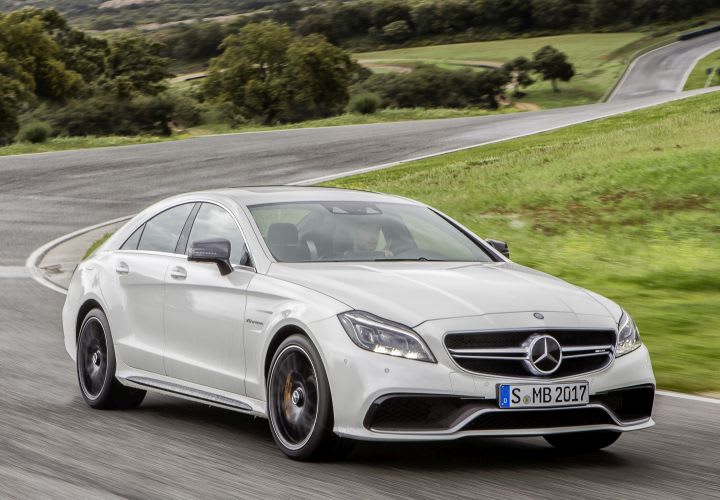
Photo of 2015 CLS-Class courtesy of MBUSA.
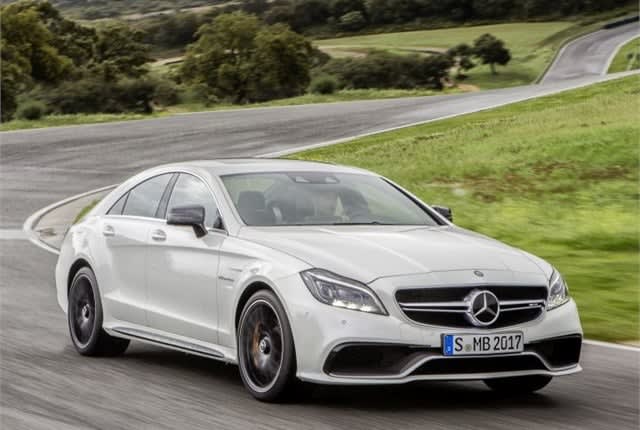
Photo of 2015 CLS-Class courtesy of MBUSA.
Mercedes-Benz has extensively redesigned its four-door CLS-Class, adding a new bi-turbo V-6 engine, nine-speed transmission, and exterior redesign.
The 2015 CLS400 gets a new 3.0-liter V-6 bi-turbo engine that produces 329 horsepower and 354 lb.-ft. of torque. The CLS550 continues to offer a 4.6-liter V-8 that produces 402 horsepower and 443 lb.-ft. of torque.
The models also get a new nine-speed automatic transmission with a hydrodynamic torque converter that replaces a seven-speed transmission. The rear-wheel-drive CLS550 will be the first model to get the new transmission.
Mercedes-Benz has also upgrades the interior with a new SD Card-based Garmin Map Pilot navigation system.
The lineup now gets LED headlights as a standard feature with Multibeam LED headlights as an available option.
More Operations

Turning Fleet Payment Data into Executive Insights
Does data alone drive results in operations?
Read More →
Automotive Fleet Opens 2026 Personal Use Survey for Commercial Fleet Managers
Commercial and corporate fleet managers are invited to share how their organizations handle company vehicle personal-use policies, charges, and driver eligibility.
Read More →
Top 50 Executive Fleets
It is that time of year again! Time for the 2026 list of the Top 50 Executive Fleets, presented by Automotive Fleet and Volvo as part of its annual Fleet 500. Download now to see this year's list of companies!
Read More →
Gary Van Orden Retires After Nearly Four Decades in Commercial Fleet
From answering customer calls at Ford Motor Company to leading fleet sales across multiple OEMs and a fleet management company, Gary Van Orden's career reflects nearly four decades of leadership in commercial fleet.
Read More →
How Stellantis Plans to Get Ahead of Fleet Downtime
Vehicle acquisition may grab the headlines, but fleet uptime increasingly determines operating success. Darren Bradshaw of Mopar North America gives the details.
Read More →
Hyundai Releases 2027 Commercial Program Incentives
The 2027 Model Year "Fleet Street Incentives" are available to commercial and government fleets.
Read More →
It's All Downhill from Here! Fleet Industry Raises $22,000 for Skilled Trades Scholarships
Work Truck’s Lauren Fletcher and Automotive Fleet’s Chris Brown turned a friendly racing rivalry into $22,000 for automotive technology and skilled trades scholarships.
Read More →
The Top 300 Commercial Fleets
The Top 300 Commercial Fleets: See the List
Read More →

Your Local Dealer Knows More Than You Think
Your local dealer can provide an information advantage that extends well beyond courtesy deliveries.
Read More →