




Mercedes-Benz GLS to Replace GL for 2017-MY
Mercedes-Benz is revamping its flagship luxury SUV for the 2017 model year by introducing an updated GLS-Class to replace the existing GL-Class.

Photo of 2017 GLS-Class courtesy of Mercedes-Benz.

Photo of 2017 GLS-Class courtesy of Mercedes-Benz.
Mercedes-Benz is revamping its flagship luxury SUV for the 2017 model year by introducing an updated GLS-Class to replace the existing GL-Class.
The seven-seat SUV enters a new generation with improved efficiency, additional transmission modes, improved air suspension, and added safety features.
Mercedes-Benz will offer four models, including the GLS450 with a 3.0L twin-turbo V-6 making 362 hp and 369 lb.-ft. of torque, GLS550 that makes 455 hp and 516 lb.-ft. of torque, six-cylinder diesel-powered GLS350d that produces 255 hp and 455 lb.-ft. of torque, and the Mercedes-AMG GLS63 with 57 hp and 561 lb.-ft. of torque.
The 2017 GLS features improved efficiency, additional Dynamic Select transmission modes, improved air suspension system (Airmatic) with enhanced damping system (ADS), nine-speed 9G-Tronic automatic transmission, updated assistance systems, and the latest generation of Mercedes-Benz telematics that includes internet access and remote-start capability.
The vehicle's exterior and interior design has been reworked, including the front end and rear around the bumper with full LED tail lamps.
Interior highlights include a newly designed instrument panel with media display, new three-spoke multiple-function steering wheel, modified center console with touchpad and new trim options.
More Operations


Your Local Dealer Knows More Than You Think
Your local dealer can provide an information advantage that extends well beyond courtesy deliveries.
Read More →
Fleet Meets: Austin Schutte
Here are some industry insights, personal touches, and words of advice from the CEO and Founder of Anew Solutions.
Read More →


Soap Box Derby Challenge: What’s Powering Team Brown
The car is coming together, the students are solving real build problems, and the fleet industry is helping push Team Brown toward the starting line.
Read More →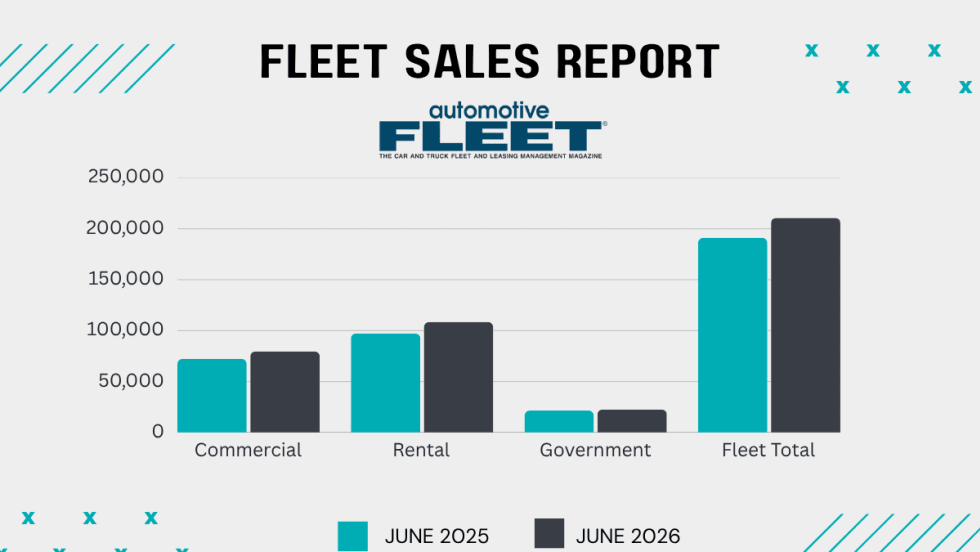
Commercial Fleet Sales Contribute To June, YTD Gains
The fleet sector has boosted its vehicle purchases at a reliable pace in the first half of this year compared with 1H 2025.
Read More →
What Fleet Managers Really Want From Vendors
From customer service frustrations and technology breakdowns to RFQs, change management, and the growing impact of turnover across the industry, this conversation pulls back the curtain on the real operational challenges fleet managers are navigating every day.
Read More →
Fleet Safety Masterclass: Industry Leaders on Storytelling, Strategy & Innovation
In this special masterclass episode, industry leaders break down what it really takes to build safer fleets in today’s increasingly distracted and data-driven world.
Read More →
Integrating Legacy Fleet Systems and Historical Data
In this episode, we bring together fleet and technology leaders to unpack the realities of data integration, system migrations, and the evolving role of AI in fleet management.
Read More →
From Resistance to Results: Change Management Strategies for Fleets
From new technologies and safety programs to evolving regulations, fleets are under constant pressure to adapt. But as Dr. Betz explains, success isn’t about the system you implement—it’s about whether your people actually use it.
Read More →
Where We're Headed: A Practical Look at AI in Fleet
Discover how AI is actually being deployed in fleets, not just marketed, including practical use cases and emerging risks.
Read More →