





Related: Sustainability Inertia: The Fear of Getting Ahead of the Curve
Major Companies Accelerate EV Fleet Transition Through New Alliance
Several fleets have joined the Corporate Electric Vehicle Alliance to advance their commitments to fleet electrification.
January 22, 2020
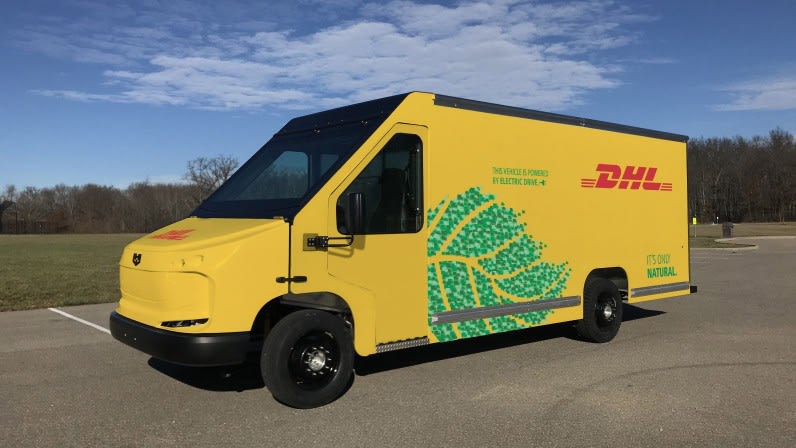
DHL Express Americas, one of the fleet members of The Corporate Electric Vehicle Alliance, is using electric vehicles like this one to meet its goal of net zero emissions from transport activities by 2050 globally.
Photo: DHL
3 min to read
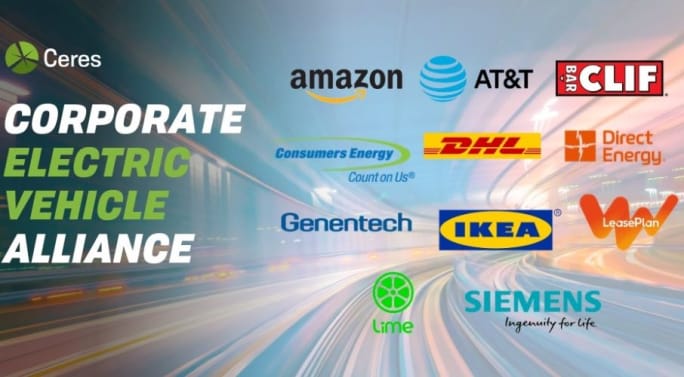
Graphic courtesy of Ceres.
Amazon, DHL, and other fleets have joined the new Corporate Electric Vehicle Alliance to advance their commitments to fleet electrification.
The Corporate Electric Vehicle Alliance’s flagship members are Amazon, AT&T, Clif Bar, Consumers Energy, DHL, Direct Energy, Genentech, Ikea North America, LeasePlan, Lime, and Siemens, according to the alliance. These members operate some of the largest fleets in the U.S. Some have already made significant commitments to electric vehicles and will look to the Corporate Electric Vehicle Alliance to help them meet their goals.
The alliance, established by sustainability nonprofit organization Ceres, was launched to help companies accelerate the transition to electric vehicles, and to address the fact that the electric vehicle market is advancing, but not fast enough to meet the needs of every company, according to Ceres. It will also provide a platform to coordinate support for policies that enable fleet electrification.
“With companies controlling more than half the vehicles on the road in the U.S. today, they have a tremendous role to play in leading the transition to electric vehicles – both in terms of electrifying their own fleets and in leveraging their buying power to send a strong market signal to automakers and policymakers alike," said Ceres’ VP of Climate and Energy Sue Reid.
Companies also have a clear economic incentive to electrify their fleets, according to Ceres. Electric vehicles present benefits such as cost savings on fuel and maintenance, reduced greenhouse gas (GHG) emissions, freedom from reliance on volatile oil and gas prices, improved driver safety, enhanced company reputation, and bolstered workforce recruitment and retention.
“We know that companies have a responsibility to limit their emissions, and that electric vehicles are an effective way to fulfill that responsibility," said Felipe Smolka, executive vice president, Transformation, LeasePlan. "That’s why we joined EV100 and it’s why we have set ourselves the ambitious goal of achieving net zero emissions from our total fleet by 2030. We also know that electric vehicles can be good for the bottom line. Our customers want them. We want them. And it’s why we’re pushing the EV market forward through the Corporate Electric Vehicle Alliance."
Amazon noted that as part of its Climate Pledge, which includes the purchase of 100,000 Rivian electric delivery vans and a commitment to deliver 50% of shipments with net zero carbon by 2030, it is "pursuing the highest standards in transportation sustainability. But we can’t get there alone," said Kara Hurst, Head of Worldwide Sustainability at Amazon. "We’re looking forward to working with fellow Corporate Electric Vehicle Alliance members to share best practices to remove carbon emissions from our transportation business.”
The Corporate Electric Vehicle Alliance helps address challenges by providing a platform for members to collaborate to identify challenges and potential solutions, and to leverage aggregate corporate demand to:
Production of new and increased volumes of EV models
EV market growth and economies of scale
Adoption of supportive policies and the removal of policy barriers
Peer-to-peer learning with regard to industry best practices
The Corporate Electric Vehicle Alliance is currently accepting new members. To learn more, visit www.ceres.org/corporate-electric-vehicle-alliance.
More Green Fleet
Sponsored•October 1, 2026
New Propane Autogas Program Offers Fleet Compensation
Qualified commercial fleets can receive $7,500 per eligible propane autogas vehicle and up to $10,000 for new refueling site prep. Learn how the program works and see whether your fleet qualifies.
Read More →
EV Charging Use Is Outpacing Infrastructure Growth
ChargePoint’s 2026 Charging Forward Report points to rising charger use, higher-powered charging, commercial vehicle electrification, and energy-management technology. Here’s what fleets should know.
Read More →
Merchants Fleet Reports 290M EV Miles as Fleets Navigate Changing Electrification Market
From millions in operating savings to hundreds of millions of EV miles, Merchants Fleet’s latest report reveals what’s working and what’s changing in fleet electrification.
Read More →
The EV Breakdown Nobody's Talking About: Why Most Electric Vehicle Roadside Calls Aren't Mechanical Failures
Here's why EV breakdowns are widely misunderstood.
Read More →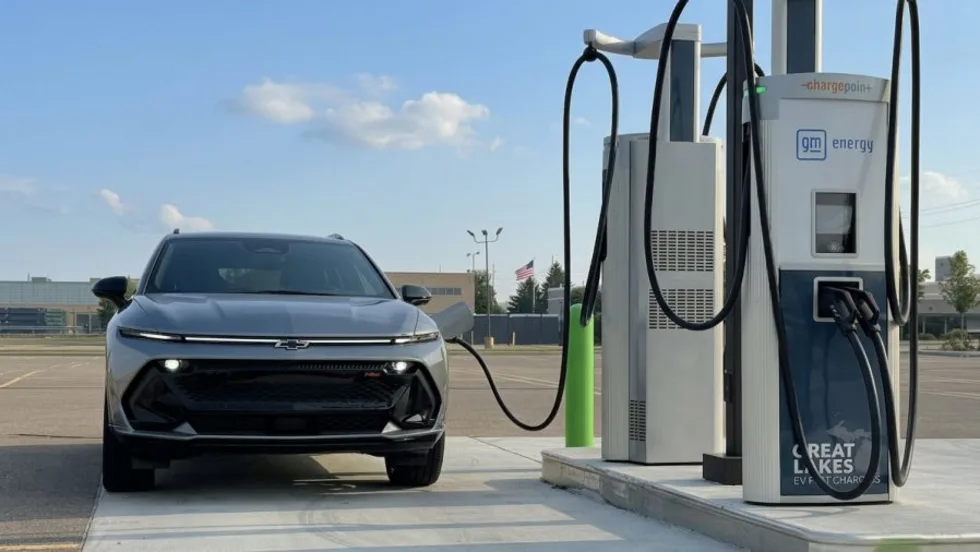
ChargePoint Now Available in Energy Pass
ChargePoint and additional planned charging network integrations were added to GM's Energy Pass.
Read More →

First Look: Slate Auto's Electric Fleet Pickup
Could an affordable, modular EV pickup make electrification more practical for fleets?
Read More →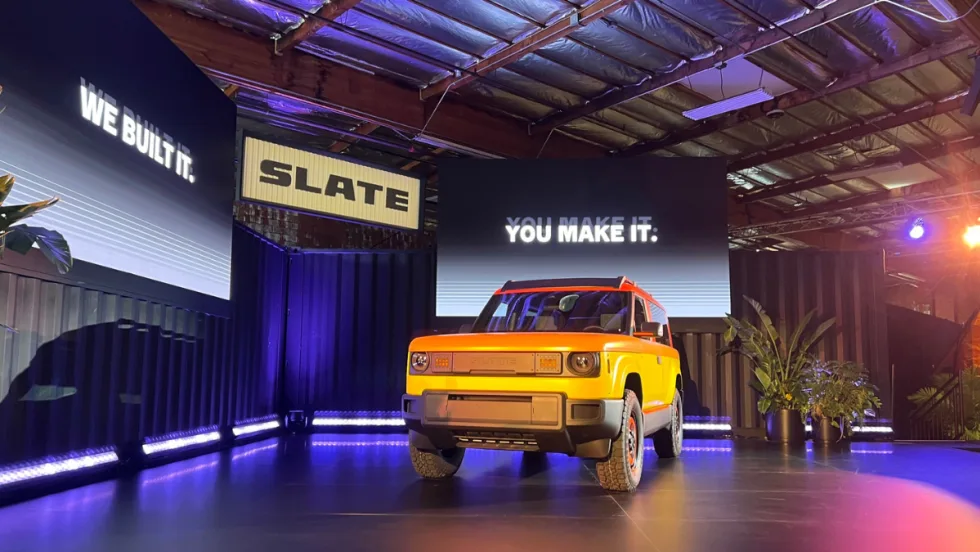
Slate Debuts Colorful, Unique EV Models
A recent media and client event, studded with electric vehicles dressed up on platforms, planted a new position for the manufacturer in the wider EV market. Fleets will find cost-saving advantages.
Read More →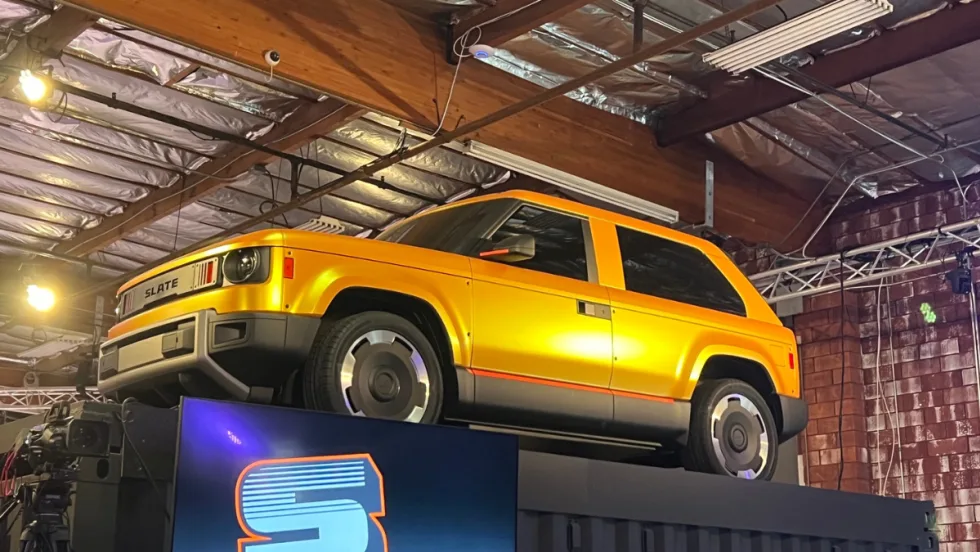
Slate Electric SUV, Pickup Switchable Model Aims For Light-Duty Fleets
Everything about this EV is counterintuitive and understated, making it stand out from the crowd.
Read More →
Inspiration Mobility Acquires Key Electrada Assets
Inspiration Mobility Group has acquired select assets of Electrada, adding the fleet electrification provider's team, technology, and charging infrastructure development capabilities to its energy management business.
Read More →