




Maintenance Costs Increase in 2011-CY
TORRANCE, CA - Many fleets are incurring additional miles on vehicles due to increased business activity, which has added to fleets' costs with increased repairs and replacement cycling.
TORRANCE, CA - Many fleets are incurring additional miles on vehicles due to increased business activity, which has added to fleets' costs with increased repairs and replacement cycling.
Complicating maintenance in 2011 was a shortage in the availability of parts following March's earthquake and tsunami in Japan. This resulted in many repair delays.
The good news is that, because of increased vehicle quality, there are fewer repairs needed. The bad news: these repairs tend to be more expensive. In addition, automakers' proprietary systems require independent vendors to source the parts from the OEMs more frequently than in the past. This is on top of the additional requirements for specific oils and fluids, which also have raised costs. On average, fleets with 2010- and 2011-MY vehicles have experienced more required OEM-scheduled maintenance services. Costs increased 10 percent or more in 2011 for fleets that continued to extend their replacement parameters due to capital expenditure constraints. However, it isn't just the cost of parts that have increased. Labor rates have also been rising.
The biggest replacement part cost has been for tires, however so-called "soft" expenses, such as driver downtime, are also an issue. Because of downtime, fleets are seeing an increase in rental vehicle expenses. The increased vehicle repair downtime is due, in part, to the fact that many repair shops don't stock a large inventory of parts. Instead, they order only parts they require on a daily basis.
New technologies have also driven maintenance costs, particularly when things go wrong. For instance, the integration of multiple systems and higher emphasis on hybrid, electric, and alternative-fuel vehicles have led to the need for technicians with a higher degree of training-which, in turn, leads to higher costs. Fleets need to carefully evaluate the cost-benefits of alternative-fuel vehicles in the context of the increased maintenance costs, particularly for fleets with longer lifecycles - over 125,000 miles. The silver lining is that, although hybrids incur additional costs, they also contribute to maintenance reductions in other areas. For instance, early results suggest that the hybrids with regenerative braking systems have fewer and lower cost brake repairs.
One way some fleets are realizing savings is by shortening the vehicle replacement cycle. This has been a result of the strong resale market. This has led to decreased maintenance spend due to less frequent major repairs and more repairs covered under warranty.
Click here for more information.
More Fuel
Fuel Prices Surge in September | September Fuel Update
September brought major fuel price swings, including diesel crossing $6 a gallon. Here’s how gas and diesel prices changed throughout the month, and where they stood heading into October.
Read More →
Turning Fleet Payment Data into Executive Insights
Ramel Lindsay of U.S. Bank Voyager discusses how fleets can transform payment and transaction data into actionable intelligence to reduce costs, improve oversight, and support executive decision-making.
Read More →
Why the IRS Raised Its Mileage Rate in the Middle of 2026
Fuel-price volatility drove the rare increase to 76 cents per mile, the fifth midyear adjustment since 2000.
Read More →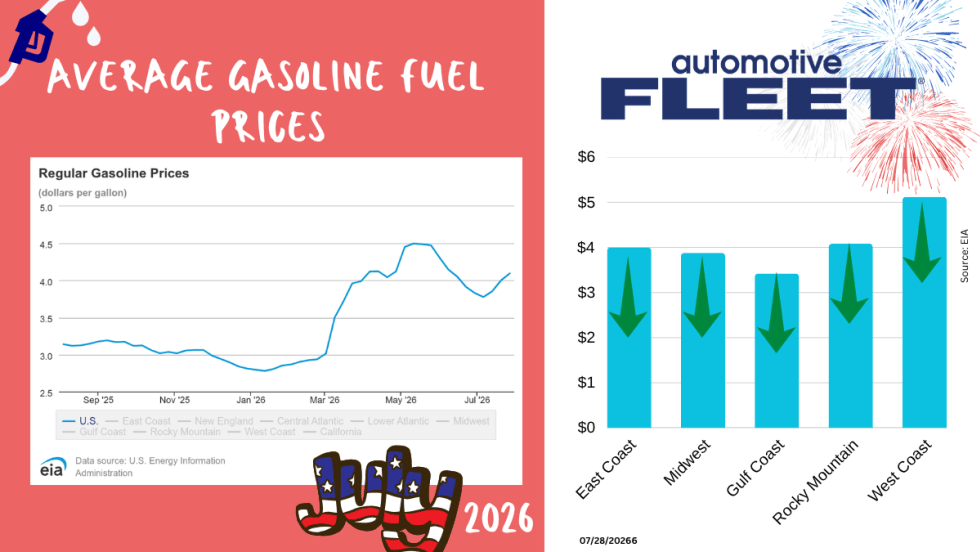
July Fuel Update: Prices Keep Rising in Light of More Conflict
Gas prices continue to rise as more and more conflicts do, too.
Read More →
Bob Adamsky on Fuel Volatility: "Don't Panic, Have a Plan."
When it comes to up and down fuel prices, Adamsky has a message for fleets: “Don’t panic.”
Read More →
How Fleets Can Gain Control of Non-Fuel Spend
Fuel often gets the spotlight, but non-fuel expenses can have a major impact on fleet costs. Ramel Lindsay of U.S. Bank Voyager discusses how fleets can gain better visibility and control over these often-overlooked expenditures.
Read More →
Fuel is Just the Start: How Middle East Tensions are Driving Up Fleet Maintenance Costs
The Middle East conflict is doing more than pushing up fuel prices. It’s also raising the cost of key maintenance products your fleet depends on, from motor oil to tires to windshield wipers. Here’s what you need to know about this budget-busting situation.
Read More →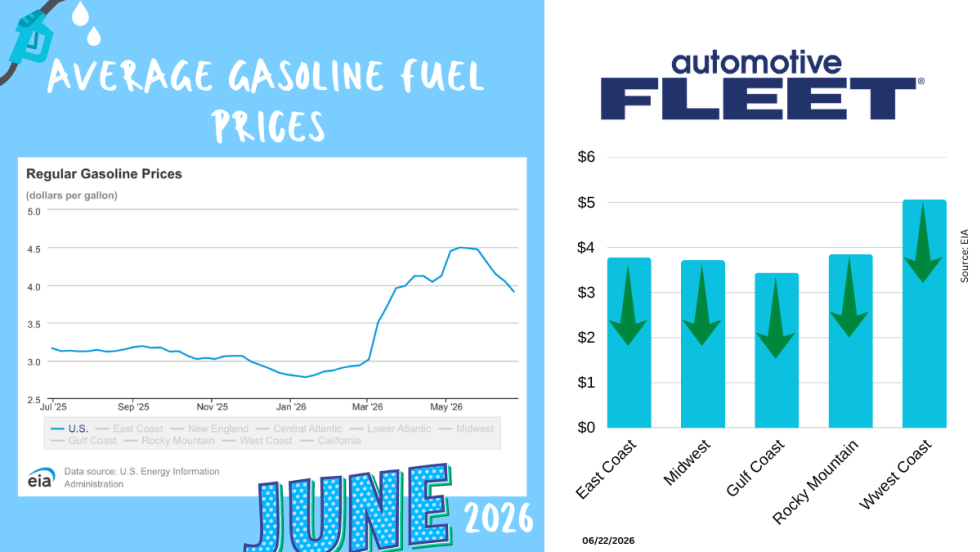
June Fuel Update: Prices Fall Below $4
Drivers are finally getting some relief at the pump. The national average gas price has dropped below $4 a gallon for the first time in months, with prices falling in 47 states as oil markets react to developments in U.S.-Iran negotiations.
Read More →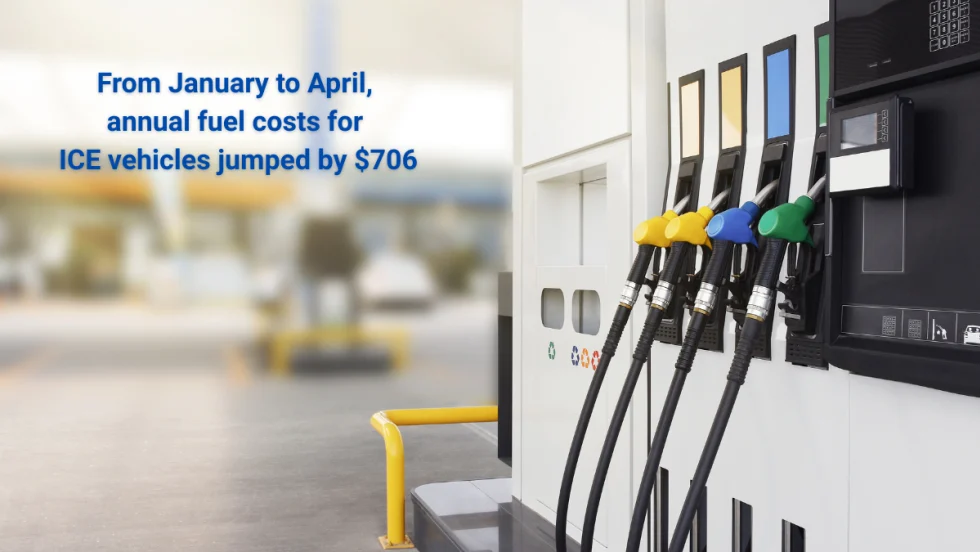
Study: How 2026's Gas Price Hikes Affect Different Vehicle Types
New data from iSeeCars reveals how rising fuel costs have affected different vehicle segments as gasoline prices climbed nearly 46% over the past four months.
Read More →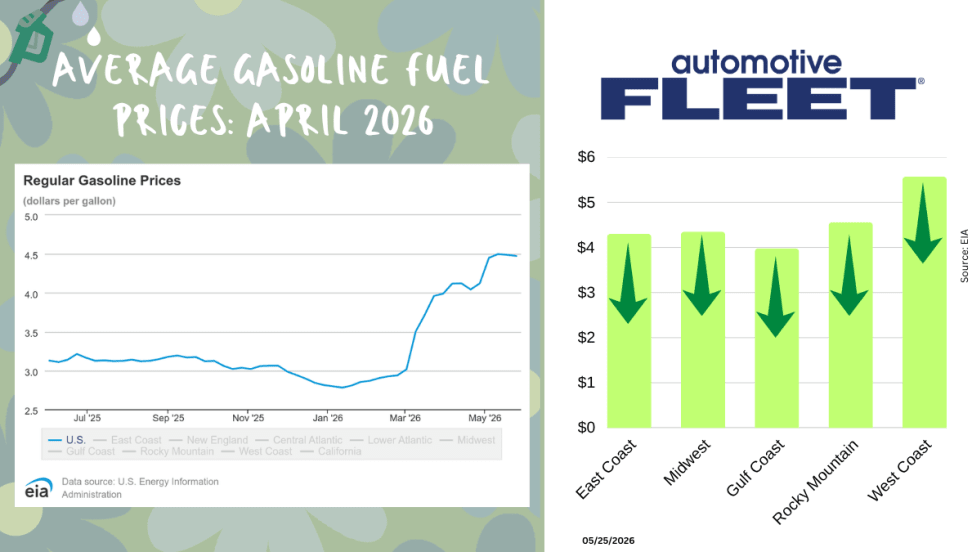
May Fuel Update: All Regions Experience Declines
Gas prices are finally easing in much of the country, but experts warn global tensions could quickly reverse the trend as the national average remains well above last month’s levels.
Read More →