




MailExpress Steps Up 'Green' Efforts
ATLANTA – In addition becoming an EPA-certified SmartWay Transport partner, the company has also launched a program to replace its fleet of trucks with low-emission vehicles.
ATLANTA – MailExpress Inc., a provider of performance mail solutions for corporate customers nationwide, has completed the process of becoming a certified "SmartWay Transport" partner with the U.S. Environmental Protection Agency (EPA). In conjunction with the EPA certification process, MailExpress has also launched a number of environmentally friendly initiatives and green business practices.
As a SmartWay partner, MailExpress commits to improve the environmental performance of its operations by giving preferential consideration to other progressive transportation partners that have adopted fuel-efficient, environmentally friendly practices and technologies.
In addition to the EPA certification, MailExpress launched a program to replace the company's fleet of trucks with low-emission vehicles. Working with alternative fuel solution provider CleanFUEL USA, MailExpress recently tested an innovative 26-ft. liquid propane injection (LPI) truck, putting the first truck in service last month. The success of the pilot is expected to result in rapid expansion of the program throughout the company's nationwide operating network.
"By adopting these green technologies and becoming an EPA SmartWay Transport partner, we aim to extend our commitment to operational excellence by working with other forward-thinking partners to do our part to minimize our carbon footprint and build a sustainable future for generations to come," said Rick Rover, executive vice president of operations for MailExpress.
More Fuel
WEX Report: Fleet Fuel Costs Rise as Purchasing Volumes Hold Steady in 2026
New analysis of WEX customer transaction data highlights rising fuel expenses, differences in purchasing behavior, and opportunities for fleet managers to evaluate operating costs.

October Fuel Trends Show Diverging Gasoline and Diesel Prices
Get the latest fuel trends from October.

Fuel Prices Surge in September | September Fuel Update
September brought major fuel price swings, including diesel crossing $6 a gallon. Here’s how gas and diesel prices changed throughout the month, and where they stood heading into October.

Turning Fleet Payment Data into Executive Insights
Ramel Lindsay of U.S. Bank Voyager discusses how fleets can transform payment and transaction data into actionable intelligence to reduce costs, improve oversight, and support executive decision-making.

Why the IRS Raised Its Mileage Rate in the Middle of 2026
Fuel-price volatility drove the rare increase to 76 cents per mile, the fifth midyear adjustment since 2000.
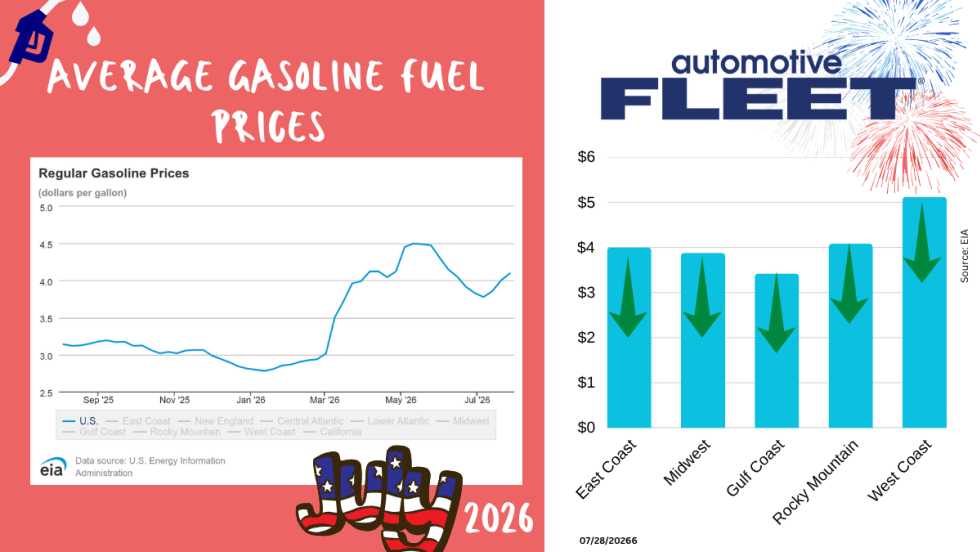
July Fuel Update: Prices Keep Rising in Light of More Conflict
Gas prices continue to rise as more and more conflicts do, too.

Bob Adamsky on Fuel Volatility: "Don't Panic, Have a Plan."
When it comes to up and down fuel prices, Adamsky has a message for fleets: “Don’t panic.”

How Fleets Can Gain Control of Non-Fuel Spend
Fuel often gets the spotlight, but non-fuel expenses can have a major impact on fleet costs. Ramel Lindsay of U.S. Bank Voyager discusses how fleets can gain better visibility and control over these often-overlooked expenditures.

Fuel is Just the Start: How Middle East Tensions are Driving Up Fleet Maintenance Costs
The Middle East conflict is doing more than pushing up fuel prices. It’s also raising the cost of key maintenance products your fleet depends on, from motor oil to tires to windshield wipers. Here’s what you need to know about this budget-busting situation.
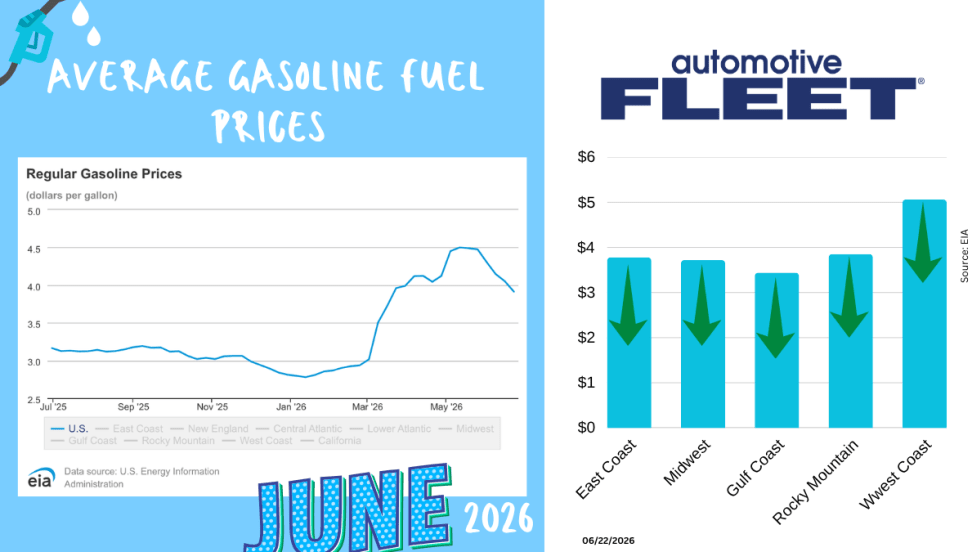
June Fuel Update: Prices Fall Below $4
Drivers are finally getting some relief at the pump. The national average gas price has dropped below $4 a gallon for the first time in months, with prices falling in 47 states as oil markets react to developments in U.S.-Iran negotiations.