




Longer Oil Drain Intervals Decrease PM Expenses
TORRANCE, CA - There has been an ongoing trend by OEMs to extend recommended oil drain intervals, which has helped to decrease preventive maintenance expenses.
TORRANCE, CA - There has been an ongoing trend by OEMs to extend recommended oil drain intervals, which has helped to decrease preventive maintenance expenses.
However, the new GF-5 and Dexos motor oils have raised oil change prices for newer vehicles requiring these motor oils. The upside is that many service facilities are embracing menu pricing for synthetic motor oil versus billing a per-bottle upcharge, helping to keep costs in line. In addition, pricing among the major tire/service national account providers has been very competitive.
Still, using premium/synthetic oils, particularly due to requirements by some OEMs has driven the cost of individual services up.
However, the benefits of synthetic oils can offset the higher costs. For instance, while synthetic oil can be more expensive, the change intervals have also increased, resulting in no net change. The extended interval means less time in the shop for the vehicle and more time on the road. Some national account providers have established reduced pricing for synthetic oil changes, which can reduce total annual costs for oil changes by up to 20 percent.
Some fleets have gone the sustainable route by exploring the use of recycled oil. While it has environmental benefits, fleet managers should make sure that the oil meets GF-5 standards for newer vehicles and has the correct oil specifications, since some providers may not have semi- or full synthetic oils.
New engine technologies - especially with diesel engines - have resulted in changes in motor oil used, which have increased costs.
Keeping up with service intervals that match vehicle usage is another way to minimize oil drain charges. For instance, a severe duty interval should only be used for a vehicle that has a severe duty schedule.
Click here for more information.
More Fuel
Fuel Prices Surge in September | September Fuel Update
September brought major fuel price swings, including diesel crossing $6 a gallon. Here’s how gas and diesel prices changed throughout the month, and where they stood heading into October.
Read More →
Turning Fleet Payment Data into Executive Insights
Ramel Lindsay of U.S. Bank Voyager discusses how fleets can transform payment and transaction data into actionable intelligence to reduce costs, improve oversight, and support executive decision-making.
Read More →
Why the IRS Raised Its Mileage Rate in the Middle of 2026
Fuel-price volatility drove the rare increase to 76 cents per mile, the fifth midyear adjustment since 2000.
Read More →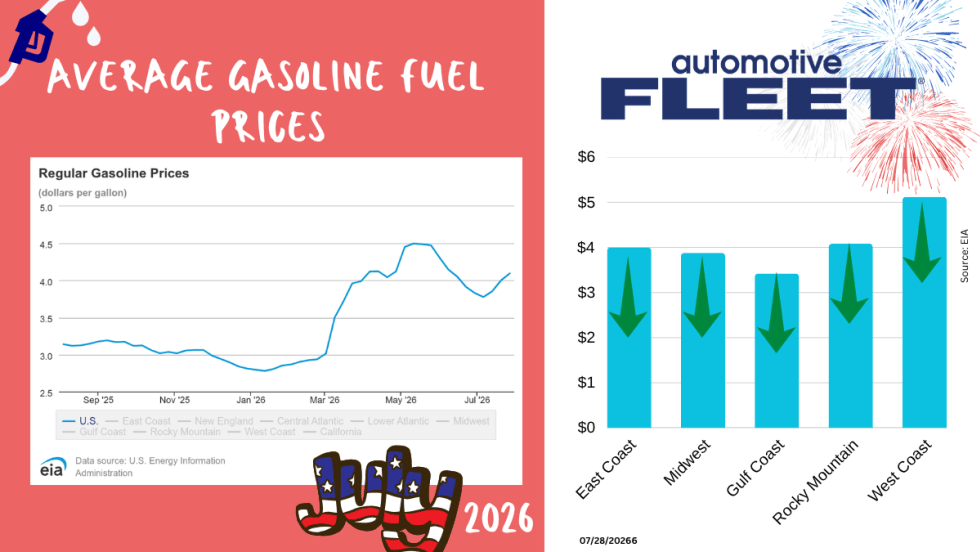
July Fuel Update: Prices Keep Rising in Light of More Conflict
Gas prices continue to rise as more and more conflicts do, too.
Read More →
Bob Adamsky on Fuel Volatility: "Don't Panic, Have a Plan."
When it comes to up and down fuel prices, Adamsky has a message for fleets: “Don’t panic.”
Read More →
How Fleets Can Gain Control of Non-Fuel Spend
Fuel often gets the spotlight, but non-fuel expenses can have a major impact on fleet costs. Ramel Lindsay of U.S. Bank Voyager discusses how fleets can gain better visibility and control over these often-overlooked expenditures.
Read More →
Fuel is Just the Start: How Middle East Tensions are Driving Up Fleet Maintenance Costs
The Middle East conflict is doing more than pushing up fuel prices. It’s also raising the cost of key maintenance products your fleet depends on, from motor oil to tires to windshield wipers. Here’s what you need to know about this budget-busting situation.
Read More →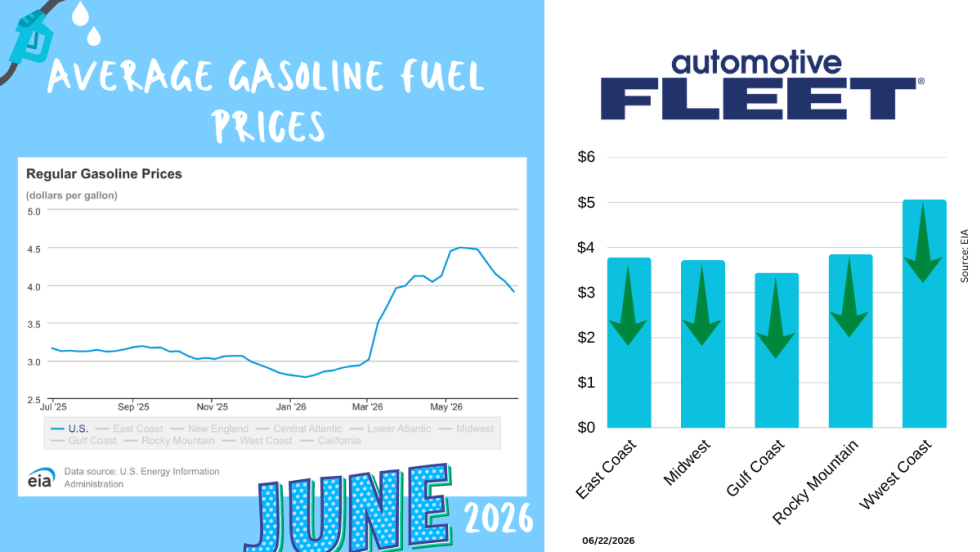
June Fuel Update: Prices Fall Below $4
Drivers are finally getting some relief at the pump. The national average gas price has dropped below $4 a gallon for the first time in months, with prices falling in 47 states as oil markets react to developments in U.S.-Iran negotiations.
Read More →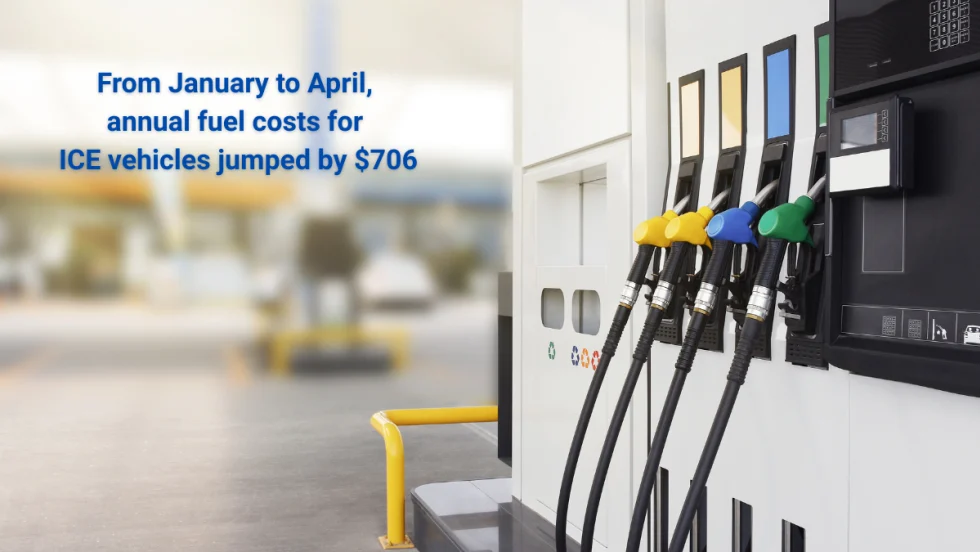
Study: How 2026's Gas Price Hikes Affect Different Vehicle Types
New data from iSeeCars reveals how rising fuel costs have affected different vehicle segments as gasoline prices climbed nearly 46% over the past four months.
Read More →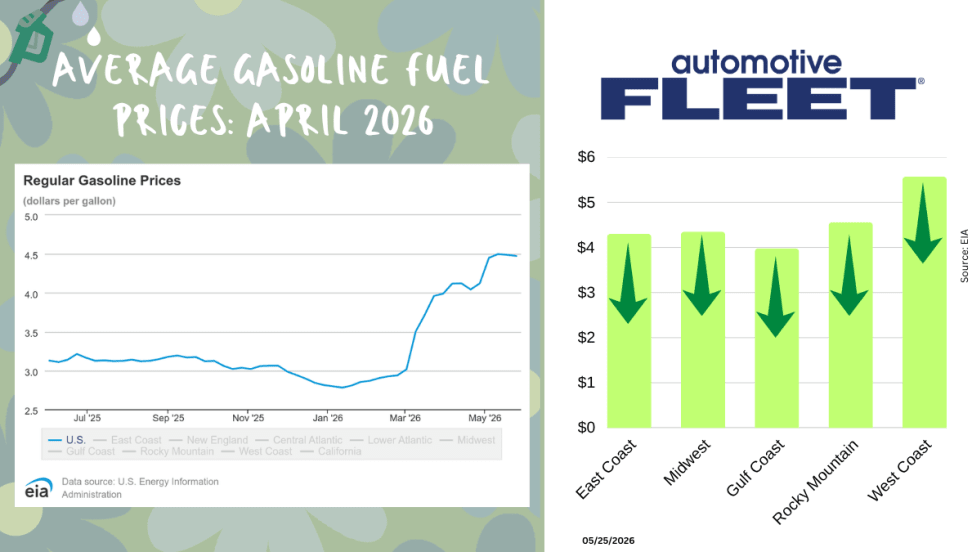
May Fuel Update: All Regions Experience Declines
Gas prices are finally easing in much of the country, but experts warn global tensions could quickly reverse the trend as the national average remains well above last month’s levels.
Read More →