




Long Island Power Authority Adds Two Hybrid Bucket Trucks to Fleet
UNIONDALE, NY - With the new additions, Long Island Power Authority expects to save 1,400 gallons of fuel per year and reduce CO2 emissions by 10-15 tons per truck annually.
UNIONDALE, NY - The Long Island Power Authority (LIPA) is integrating the first two hybrid trucks into its service fleet.
"The addition of these two new trucks reinforces my commitment to LIPA's continued investment in energy efficiency and clean renewable technology," said LIPA President and CEO Kevin Law. "These trucks will provide many green benefits including: improving our air quality, curbing noise pollution, increasing energy efficiency and providing financial savings for our customers."
Each new vehicle is estimated to save 35 to 55 percent of fuel, based on similar prototype vehicles. With an annual consumption of 1,970 gallons of diesel fuel, at $3 per gallon and an approximate minimum reduction of 35 percent in fuel, LIPA expects to save 1,400 gallons of fuel per year for total savings of $4,200 dollars. Moreover, CO2 emissions will be reduced by 10-15 tons per truck annually; resulting in $500 to $750 in carbon offset savings, according to the agency.
The new trucks are equipped with the same size engine as a conventional truck and will operate like a normal hybrid vehicle. However, a key efficiency component of these trucks begins when the aerial bucket operates with the engine completely off, while workers use the bucket to perform day to day operations. Furthermore, the engine will also kick off when the vehicles are idling, reducing fuel usage and exhaust emissions.
The hybrid system also features regenerative braking. As the brakes are applied, the energy is captured and used to charge the lithium-ion battery system. This battery is used to operate the boom, (the part of the truck used to lift workers), for up to two hours with the engine off.
More than 25 percent of LIPA's 607 vehicles contain a clean energy component including, gasoline hybrids, bio-diesel, and compressed natural gas. LIPA envisions continuing to add more energy efficient vehicles as some of the older trucks and cars in the service fleet need replacement.
More Green Fleet
EV Charging Use Is Outpacing Infrastructure Growth
ChargePoint’s 2026 Charging Forward Report points to rising charger use, higher-powered charging, commercial vehicle electrification, and energy-management technology. Here’s what fleets should know.
Read More →
Merchants Fleet Reports 290M EV Miles as Fleets Navigate Changing Electrification Market
From millions in operating savings to hundreds of millions of EV miles, Merchants Fleet’s latest report reveals what’s working and what’s changing in fleet electrification.
Read More →
The EV Breakdown Nobody's Talking About: Why Most Electric Vehicle Roadside Calls Aren't Mechanical Failures
Here's why EV breakdowns are widely misunderstood.
Read More →
ChargePoint Now Available in Energy Pass
ChargePoint and additional planned charging network integrations were added to GM's Energy Pass.
Read More →

First Look: Slate Auto's Electric Fleet Pickup
Could an affordable, modular EV pickup make electrification more practical for fleets?
Read More →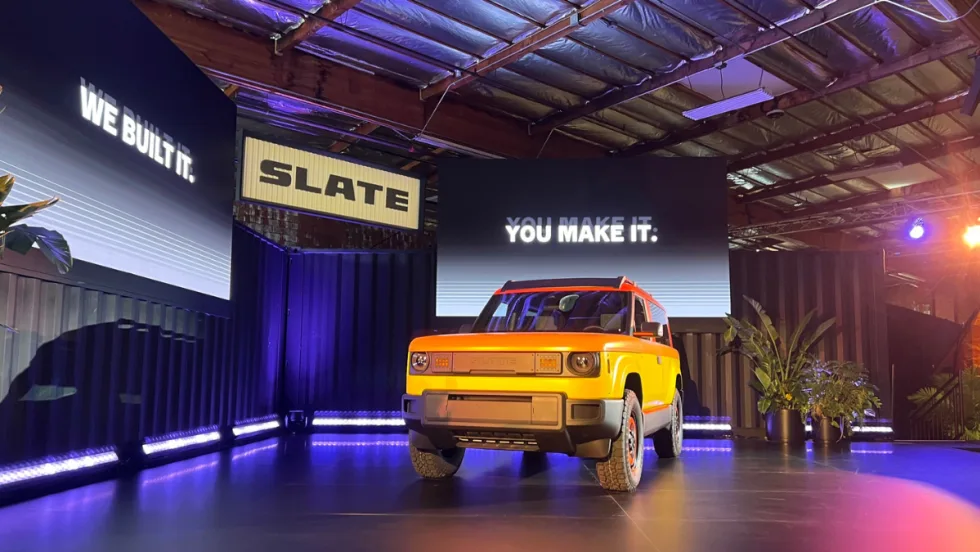
Slate Debuts Colorful, Unique EV Models
A recent media and client event, studded with electric vehicles dressed up on platforms, planted a new position for the manufacturer in the wider EV market. Fleets will find cost-saving advantages.
Read More →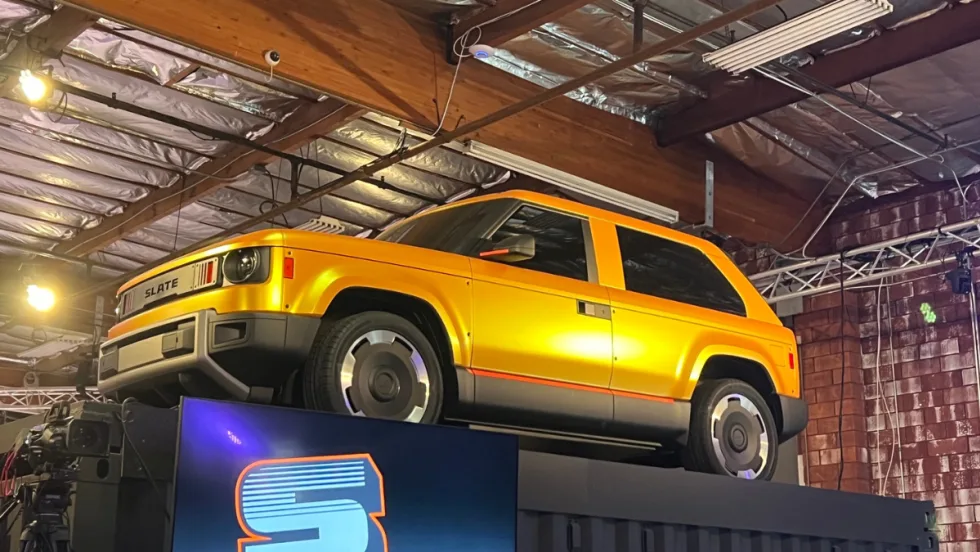
Slate Electric SUV, Pickup Switchable Model Aims For Light-Duty Fleets
Everything about this EV is counterintuitive and understated, making it stand out from the crowd.
Read More →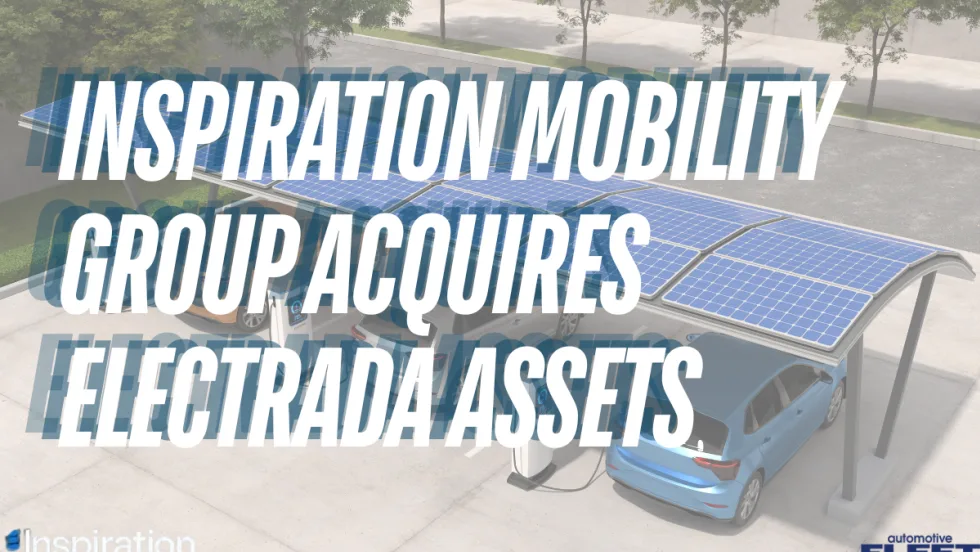
Inspiration Mobility Acquires Key Electrada Assets
Inspiration Mobility Group has acquired select assets of Electrada, adding the fleet electrification provider's team, technology, and charging infrastructure development capabilities to its energy management business.
Read More →
Why America’s Most Popular Vehicle is So Hard to Electrify
Turning America’s favorite workhorse electric means balancing range, payload, charging infrastructure, and price, an equation automakers are still trying to solve.
Read More →