




Localities Team Up to Cut Fuel Costs
ATLANTA – Governments from Atlanta to Athens-Clarke County are working together to purchase up to 20 million gallons of fuel in bulk to help save each thousands of dollars, according to The Atlanta Journal-Constitution.
ATLANTA – Governments from Atlanta to Athens-Clarke County are working together to purchase up to 20 million gallons of fuel in bulk to help save each thousands of dollars, according to The Atlanta Journal-Constitution.
Officials representing 14 school boards, cities, and counties have quietly been talking since last October about a plan to bolster their purchasing power by forming the North Georgia Fuel Purchasing Cooperative, reported the AJC.
Volume purchasing will cost less, especially for those counties paying retail prices, said Michael Lindsey, director of fleet management for Gwinnett County. Lindsey said he pushed to create the co-op after reading about a successful one started by Fort Worth, Texas.
The Fort Worth co-op started in 2003 with two governments needing 6 million gallons of fuel a year and has grown to 28 agencies requiring 20-plus million gallons annually, said Randy Rendon, equipment technical and fuel specialist for Fort Worth.
In 2008, buying through the co-op saved Fort Worth $720,000 and all co-op members a collective $4.8 million, Rendon said.
Cobb County could save $150,000 if being part of the co-op can reduce this year's $2.9 million fuel bill by just 5 percent, said purchasing director Rick Brun.
Volume purchasing also helps reduce mark-up and delivery charges by suppliers.
Governments don't have to commit to being in the North Georgia co-op until mid-April, when bids will be solicited from suppliers and a news conference is set to announce its formation, said Scott Callan, Gwinnett County's purchasing director.
But those who have been in on the discussions have included representatives from Athens-Clarke County; the cities of Atlanta and Gainesville; the Cobb County, Fulton County, and DeKalb County school systems; and Cobb, Fulton, DeKalb, Forsyth, Dawson, Jackson, Oconee and Gwinnett counties, Callan said.
Forsyth County, which uses 593,000 gallons of gas and 175,000 of diesel, sees the potential for saving "tens of thousands" of dollars, said spokeswoman Jodi Gardner.
More Green Fleet
EV Charging Use Is Outpacing Infrastructure Growth
ChargePoint’s 2026 Charging Forward Report points to rising charger use, higher-powered charging, commercial vehicle electrification, and energy-management technology. Here’s what fleets should know.
Read More →
Merchants Fleet Reports 290M EV Miles as Fleets Navigate Changing Electrification Market
From millions in operating savings to hundreds of millions of EV miles, Merchants Fleet’s latest report reveals what’s working and what’s changing in fleet electrification.
Read More →
The EV Breakdown Nobody's Talking About: Why Most Electric Vehicle Roadside Calls Aren't Mechanical Failures
Here's why EV breakdowns are widely misunderstood.
Read More →
ChargePoint Now Available in Energy Pass
ChargePoint and additional planned charging network integrations were added to GM's Energy Pass.
Read More →

First Look: Slate Auto's Electric Fleet Pickup
Could an affordable, modular EV pickup make electrification more practical for fleets?
Read More →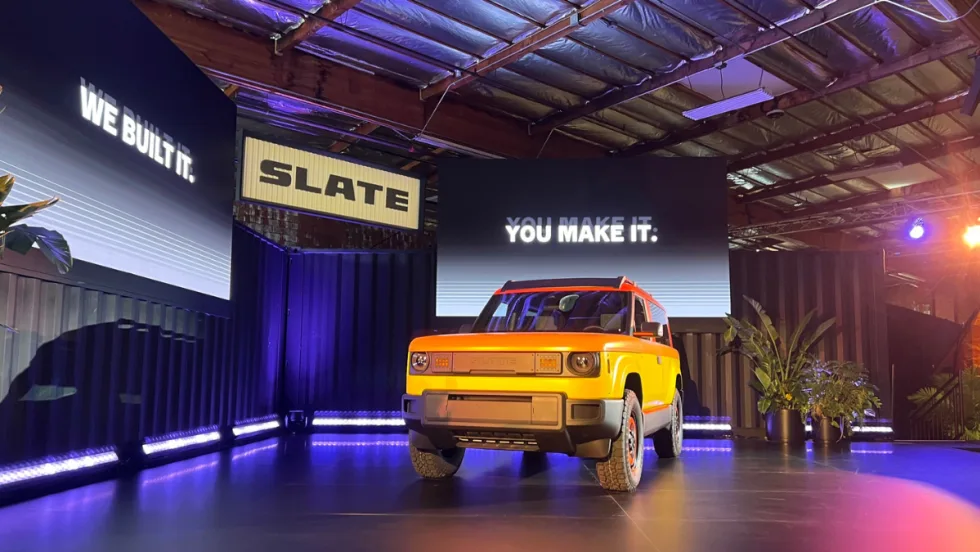
Slate Debuts Colorful, Unique EV Models
A recent media and client event, studded with electric vehicles dressed up on platforms, planted a new position for the manufacturer in the wider EV market. Fleets will find cost-saving advantages.
Read More →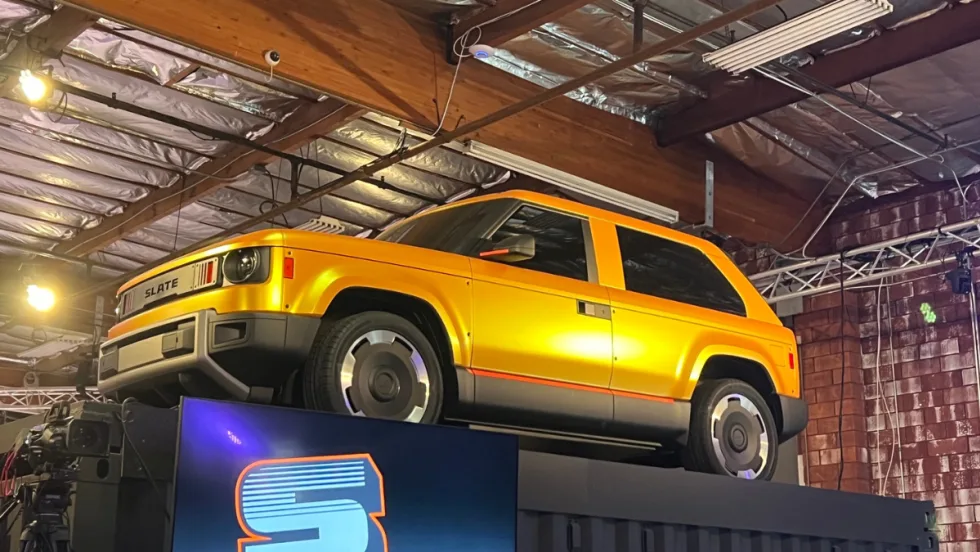
Slate Electric SUV, Pickup Switchable Model Aims For Light-Duty Fleets
Everything about this EV is counterintuitive and understated, making it stand out from the crowd.
Read More →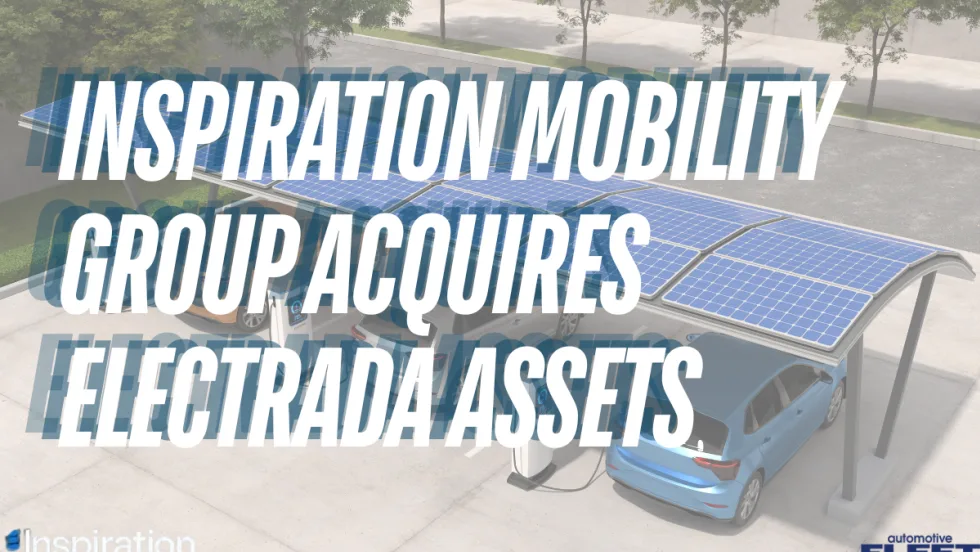
Inspiration Mobility Acquires Key Electrada Assets
Inspiration Mobility Group has acquired select assets of Electrada, adding the fleet electrification provider's team, technology, and charging infrastructure development capabilities to its energy management business.
Read More →
Why America’s Most Popular Vehicle is So Hard to Electrify
Turning America’s favorite workhorse electric means balancing range, payload, charging infrastructure, and price, an equation automakers are still trying to solve.
Read More →