




Related: Ford Gives Glimpse Into 2020 Lineup
Lincoln Planning Plug-in Hybrid Aviator
Lincoln will offer a plug-in hybrid version of its new Aviator three-row SUV that it revealed at the New York International Auto Show on March 28, the company announced.
by Staff
April 2, 2018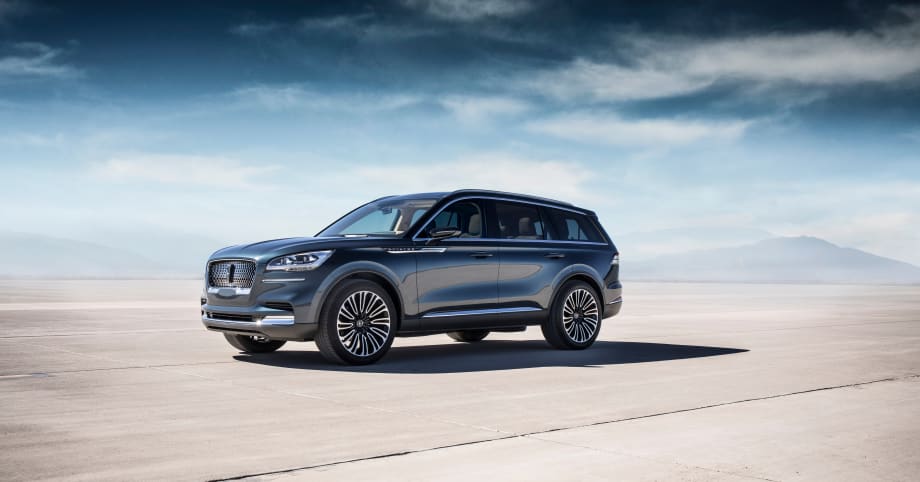
Photo of 2019 Lincoln Aviator courtesy of Ford.
1 min to read
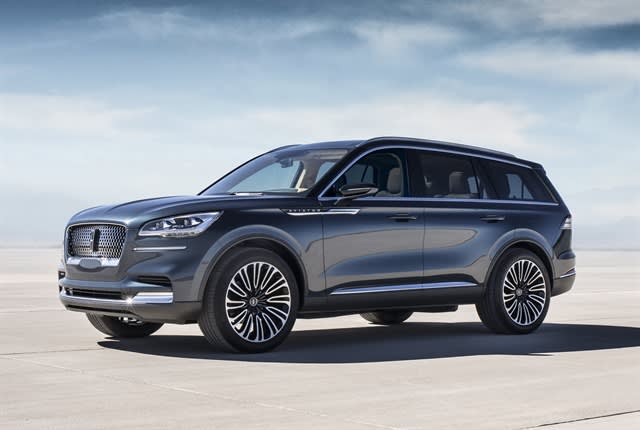
Photo of 2019 Lincoln Aviator courtesy of Ford.
Lincoln will offer a plug-in hybrid version of its new Aviator three-row SUV that it revealed at the New York International Auto Show on March 28, the company announced.
The 2019 Aviator will offer a turbocharged gasoline engine as its standard engine when it goes on sale next year. It may compete against other midsize luxury SUVs such as the BMW X5 and Lexus RX.
A twin-turbocharged engine will power the Aviator, which will also offer a long wheelbase and rear-wheel drivetrain. Lincoln will pair the hybrid system with the twin-turbocharged engine.
On the inside, the Aviator will offer a 12-inch instrument cluster display. It will offer Co-Pilot360, an advanced suite of driver-assisting technologies that includes automatic emergency braking, blind spot information, lane keeping, a back-up camera, and auto high beams.
More Green Fleet

Sponsored•October 1, 2026
New Propane Autogas Program Offers Fleet Compensation
Qualified commercial fleets can receive $7,500 per eligible propane autogas vehicle and up to $10,000 for new refueling site prep. Learn how the program works and see whether your fleet qualifies.
Read More →
EV Charging Use Is Outpacing Infrastructure Growth
ChargePoint’s 2026 Charging Forward Report points to rising charger use, higher-powered charging, commercial vehicle electrification, and energy-management technology. Here’s what fleets should know.
Read More →
Merchants Fleet Reports 290M EV Miles as Fleets Navigate Changing Electrification Market
From millions in operating savings to hundreds of millions of EV miles, Merchants Fleet’s latest report reveals what’s working and what’s changing in fleet electrification.
Read More →
The EV Breakdown Nobody's Talking About: Why Most Electric Vehicle Roadside Calls Aren't Mechanical Failures
Here's why EV breakdowns are widely misunderstood.
Read More →
ChargePoint Now Available in Energy Pass
ChargePoint and additional planned charging network integrations were added to GM's Energy Pass.
Read More →
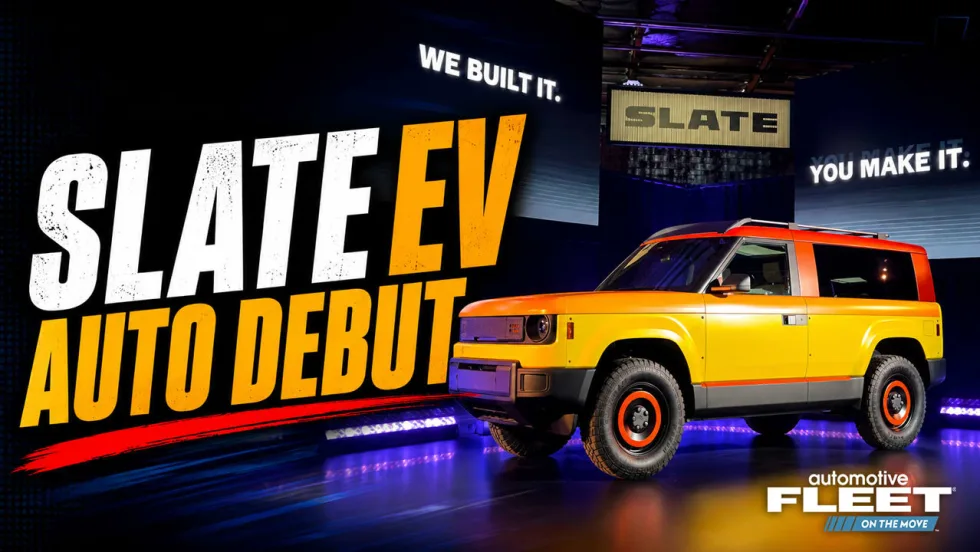
First Look: Slate Auto's Electric Fleet Pickup
Could an affordable, modular EV pickup make electrification more practical for fleets?
Read More →
Slate Debuts Colorful, Unique EV Models
A recent media and client event, studded with electric vehicles dressed up on platforms, planted a new position for the manufacturer in the wider EV market. Fleets will find cost-saving advantages.
Read More →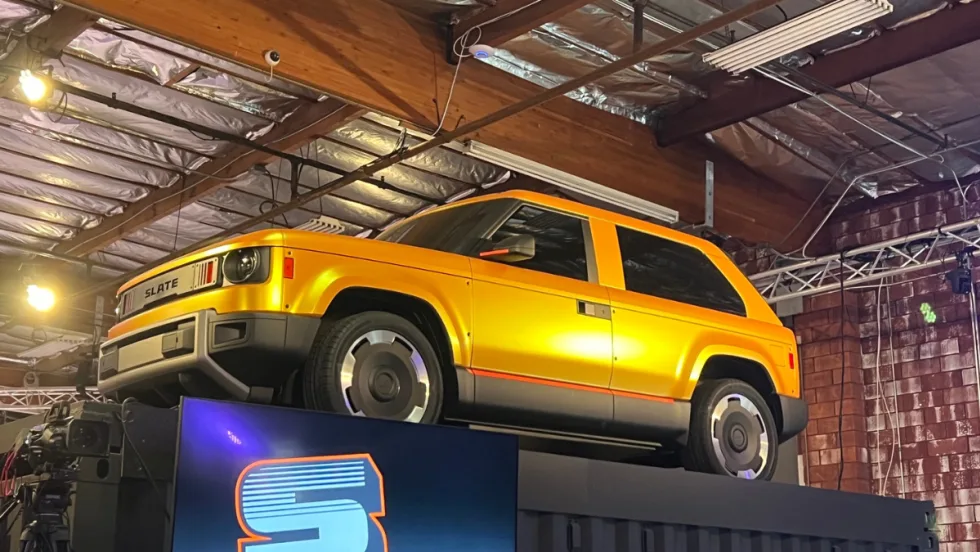
Slate Electric SUV, Pickup Switchable Model Aims For Light-Duty Fleets
Everything about this EV is counterintuitive and understated, making it stand out from the crowd.
Read More →
Inspiration Mobility Acquires Key Electrada Assets
Inspiration Mobility Group has acquired select assets of Electrada, adding the fleet electrification provider's team, technology, and charging infrastructure development capabilities to its energy management business.
Read More →