




Lincoln MKS Shows Off Performance-Enhancing Features
DEARBORN, MI – The new Lincoln flagship sedan, MKS, features an all new fully independent suspension (IRS), that includes stamped steel lower control arms and cast aluminum upper control arms.
DEARBORN, MI – The new Lincoln flagship sedan, MKS, features an all new fully independent suspension (IRS), that includes stamped steel lower control arms and cast aluminum upper control arms. It is mounted to a fully-isolated sub frame to reduce noise and vibration. A unique design places vertically-mounted shock absorbers at the outboard end of the suspension arms, near the wheels. This configuration increases the motion ratio of the suspension allowing for a more precise tuning while also facilitating the larger wheels and tires.
Moving the shocks outward and positioning them vertically increases suspension travel in a positive way. The shocks alone can now handle a larger portion of the load requiring less suspension damping to isolate road noise and vibration from the cabin.
The MacPherson strut and rear-facing L-shaped lower control arm front suspension also mounts to a fully-isolated sub frame. The suspension geometry was designed to maximize suspension travel and tuned to work in harmony with the rear suspension. Together, the new front and rear suspension design can accommodate class-exclusive, 20-inch wheels and tires.
The Lincoln MKS comes standard with four-wheel ventilated disc brakes (12.25-in front and 12.75-in. rear discs) with ABS and power rack-and-pinion steering.
Standard wheels and tires are 18 x 7.5-inch painted, cast aluminum, 10-spoke wheels, and P235/55R 18 all-season radials. Additional choices include an available 19 x 8-inch premium painted 10-spoke cast aluminum wheel or a 19 x 8-inch bright machined 10-spoke painted cast aluminum wheel both with P255/45R 19 all-season radials.
A 20 x 8-inch, 11-spoke polished cast aluminum wheel and P245/45R 20 all-season radials will be available after launch.
The body structure of the Lincoln MKS was optimized for strength and stiffness. Along with noteworthy crash performance, the solid structure also delivers the smooth, quiet ride.
The high-end sound package centers on a new technology that’s a first for Lincoln and the MKS. An injection-molded rubber dash panel runs from the floor, just under the carpet, up to the top of the dash and back over the cowl. The injection-molded part fits snuggly to the steel dash panel to provide a barrier for unwanted wind and powertrain noise. The same technology is used inside the rear wheel wells.
The shape of the new MKS was massaged in the wind tunnel to help with airflow and reduce wind noise. In fact, the team went through more than 50 iterations of the design of the sunroof until they had a unit that is the quietest in its class.
The Lincoln’s new 3.7L V-6 engine also plays an important role in the overall sound of the vehicle.
The 2009 Lincoln MKS is the first of many Lincoln products that will offer the Next-Generation SecuriCode Keyless Entry Keypad. The keypad shares its technology with the iPod and iPhone, using the same supplier, Quantum Research, for the processors and algorithms.
Touch-sensitive electronics are mounted behind a sturdy acrylic cover. The door appliqué is made via a two-shot injection molding process. The clear acrylic, with a 40 percent black tint, is shot first, followed by the black acrylic that makes the shape of the B-pillar appliqué. The electronics mount behind the B-pillar appliqué. The graphic panel is the same color black as the B-pillar, blending the entire unit together making it nearly invisible.
More Operations
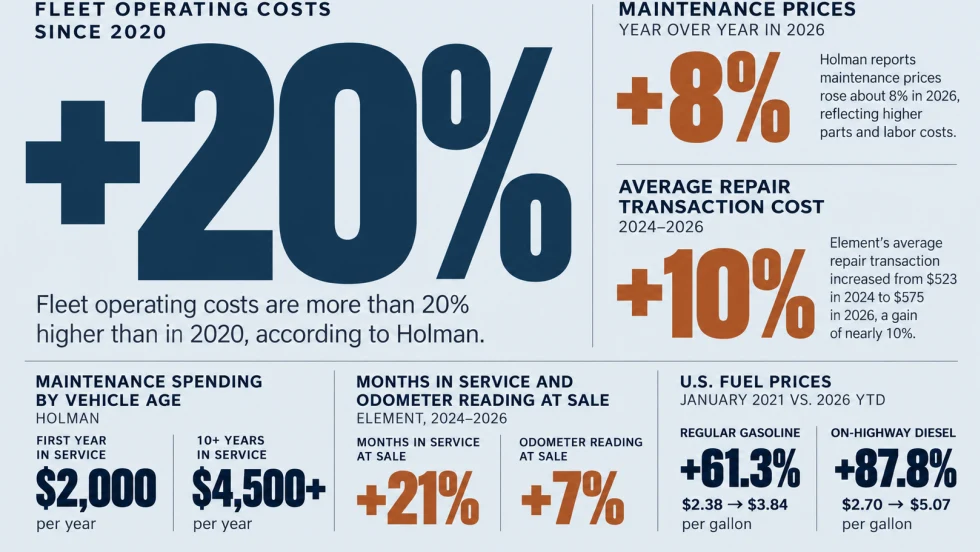
Managing Fleet Costs in an Era of Permanent Volatility
Fleet operating costs have risen more than 20% since 2020, raising a key question: When does extending a vehicle's service life stop making financial sense?
Read More →
The Next Evolution of Fleet Management: Autonomous Operations
This opening keynote session at the Fleet Forward Conference highlights the future of autonomous driving for fleets.
Read More →
How to Reduce the Total Cost of Risk From Catalytic Converter Theft
A stolen catalytic converter can cost fleets far more in downtime and lost productivity than in repairs. A total-cost-of-risk approach can help fleet managers quantify their exposure and prioritize theft prevention.
Read More →

Personal-Use Charges Rise as Vehicle Values Fall | AF News Recap
Personal-use charges are climbing, wholesale used-vehicle values are declining, and commercial fleet sales growth is slowing. This week, we're breaking down the latest fleet data, plus how Element Fleet Management is helping Waymo prepare for its first Canadian robotaxi market.
Read More →
Here's When You Should Make an Exception to Fleet Policy
Fleet policies are designed to create consistency, but not every driver or situation fits neatly within standard rules.
Read More →
AI-Native or AI-Acquired: What Should Fleet Managers Look for in an AI Platform?
Six questions can help fleet managers look beyond AI marketing claims to evaluate integration, data access, and real-world operational performance.
Read More →
A buyer's guide to fleet management software in 2027
Buying fleet management software in 2027 means looking beyond features and price. As fleet operations, technology and expectations evolve, this guide explores what today’s fleet professionals should consider when choosing a system that can deliver value now and adapt to what comes next.
Read More →
What Will Shape the Next Era of Fleet Management?
EVs, AI, and autonomous vehicles are reshaping fleet management. Discover what’s ahead—and how fleet leaders can prepare for the next era.
Read More →
How Fleets Can Recruit and Train Veterans for Technician Roles
Here's how the technician shortage has affected uptime for fleets, and what to do about it.
Read More →
Avis Budget Group Deploys Neology Toll Management Technology Across Major Brands
Neology’s neoFleet platform will manage toll transactions and toll-authority operations for vehicles across Avis, Budget, Payless, Budget Truck and Zipcar.
Read More →