




Lexus Recalls Certain LS 460 and 600h L Models
TORRANCE, CA - Lexus is recalling approximately 3,800 late 2009 and certain 2010 model-year Lexus LS 460 and LS 600h L vehicles in the U.S. to address an issue with the Variable Gear Ratio Steering (VGRS) system.
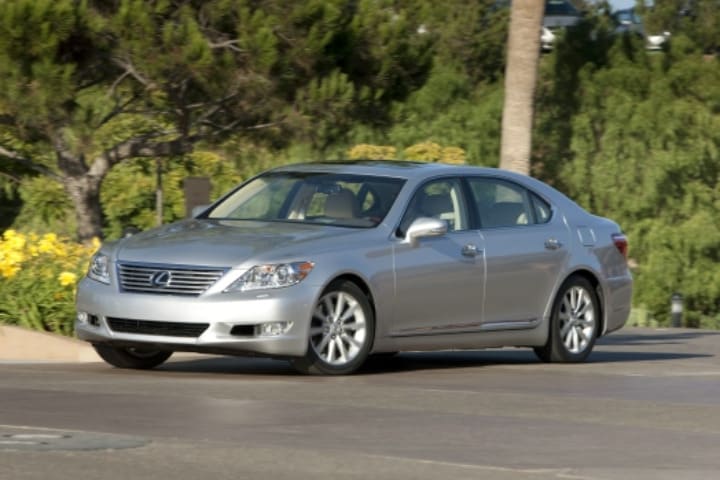
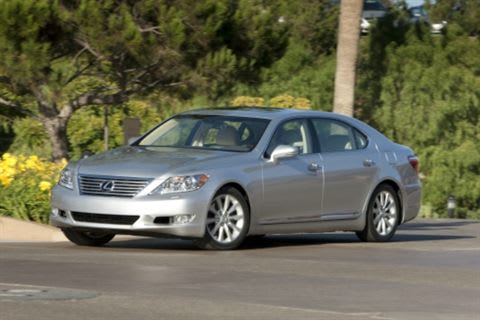
Lexus 460L
TORRANCE, CA - Lexus is recalling approximately 3,800 late 2009 and certain 2010 model-year Lexus LS 460 and LS 600h L vehicles in the U.S. to address an issue with the Variable Gear Ratio Steering (VGRS) system.
On certain Lexus vehicles equipped with VGRS, under certain limited driving circumstances, the steering wheel may temporarily become off-centered. If the steering wheel is fully turned in one direction to the end of its travel (full lock position) and then very quickly turned in the opposite direction, the driver may observe that the center position of the steering wheel is temporarily off-centered. The VGRS system will self-correct the steering wheel off-center condition as the vehicle is driven for approximately five seconds.
Due to the limited circumstances in which this can occur, this condition will not occur during normal driving, such as lane changes.
The VGRS system enhances the relationship between the amount the steering wheel must turn and the reaction of the vehicle's front wheels, which varies depending on the situation. For example, VGRS increases the gear ratio at high speeds to make handling less sensitive and twitchy. It can also lower its gear ratio to make less turning of the steering wheel necessary while maneuvering at slow speeds.
Until the remedy has been completed on the vehicle, drivers can take the following steps to minimize the likelihood this condition will occur:
When turning left or right at sharp intersections, when making a tight u-turn, or when parallel parking the vehicle, the steering wheel may reach the end of travel (full lock position). If this occurs, the driver should slowly turn the steering wheel back in the opposite direction and slowly exit the turn.
If possible, avoid quickly turning the steering wheel in the opposite direction, especially if the steering wheel was turned to the end of travel (full lock position).
Do not attempt to duplicate this condition.
If the driver notices an apparent steering wheel off-center condition when driving straight, he or she should carefully steer the vehicle and not make any sudden maneuvers. Steering should be based on the vehicle direction of travel rather than the steering wheel position.
As of this release, Lexus received one customer report in the U.S. regarding this condition and has received no reports of any accidents or injuries.
As soon as remedy parts are available, Lexus will begin sending notification letters by first class mail to owners of the involved vehicles. The letter will advise owners to bring their vehicle to a Lexus dealer to have the Steering Control computer replaced with a newly designed one at no charge. The computer replacement is expected to take less than one hour, depending on dealer workload.
The Steering Control computer will be replaced with a newly designed one at no charge.
Lexus believes that the involved vehicles are safe to drive. If the driver notices an apparent steering wheel off-center condition when driving straight, he or she should carefully steer the vehicle and not make any sudden maneuvers.
No other Lexus, Toyota or Scion vehicles in the North American market are involved in this Safety Recall.
Owner's with questions or concerns are asked to contact their local Lexus dealer for diagnosis and repair, if applicable. Owners may also contact Lexus Customer Satisfaction at (800) 255-3987 or visit www.lexus.com/recall.
More Safety
From Silos to Solutions: Relationship Management for Safer Fleets
From telematics adoption and driver accountability to policy consistency and risk mitigation, this episode breaks down what it really takes to build a safer fleet culture without slowing business down.
Read More →
IIHS Launches First Commercial Vehicle Safety Evaluations
The Insurance Institute for Highway Safety has begun evaluating heavy-duty pickups and cargo vans for driver protection. Which models earned top marks?
Read More →
Reducing Risk by Eliminating Phone Use Behind the Wheel
Hosted with the cofounder of Lifesaver Mobile, this episode addresses phone use behind the wheel and how to design a driving environment that actually helps prevents accidents.
Read More →

Cameras, Safety and Insurance: From Reactive Claims to Real-Time Prevention (Part 2 of 2)
Part Two: Commercial auto remains one of the most challenging and costly lines of coverage for fleet operators and insurers alike. Continue learning more about how to effectively address these issues from Onur Aksan, Enterprise Business Development Executive, Geotab
Read More →
How 5-Second Telematics Data Is Changing Fleet Safety
This episode connects with Steve Santostasi of Ford Pro and covers how a few seconds of data can make a difference in fleet safety.
Read More →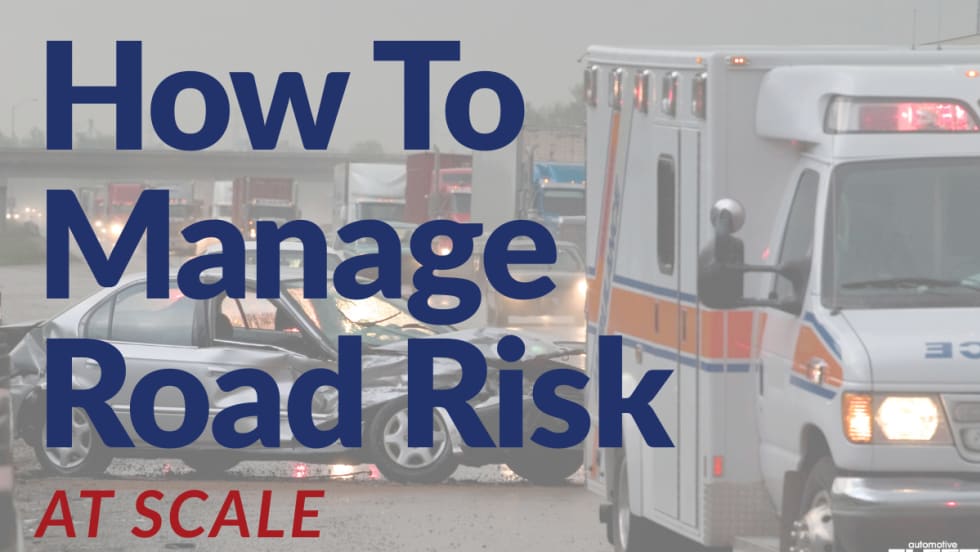
Managing Road Risk at Scale: Why Fleet Safety Needs a Data-Driven Framework
Insights from the FIA Road and Driver Safety Indexes reveal how to manage road risk on a larger scale.
Read More →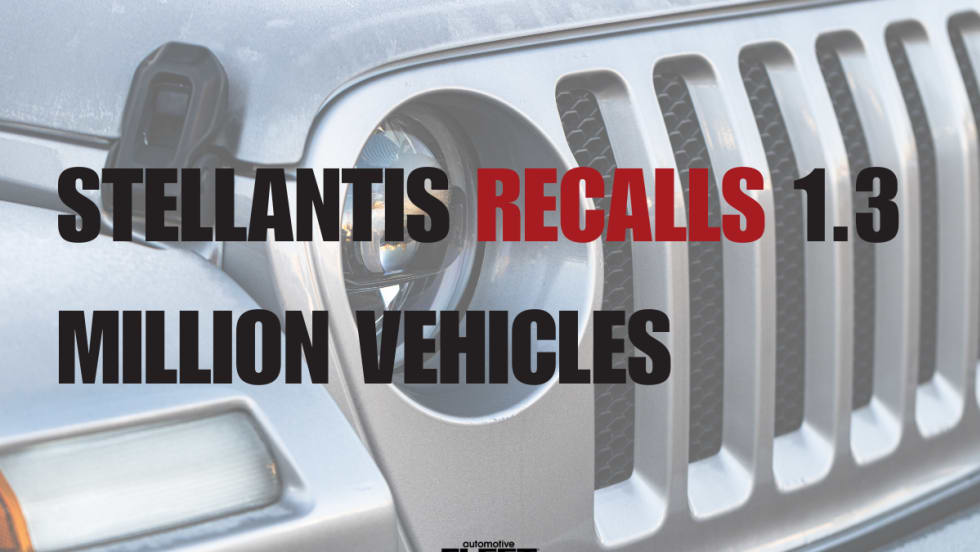
Stellantis Recalls 1.3 Million Jeep Vehicles Worldwide Over Fire Risk
Stellantis is recalling more than 1.3 million Jeep Wrangler and Gladiator models worldwide over a fire risk linked to power steering pump wiring.
Read More →
Coaching Is Not Training, Even When AI Is Doing It
AI-powered safety platforms can detect risky behaviors and deliver immediate feedback. But effective driver development still requires a foundation of training followed by coaching that reinforces those skills.
Read More →
How Emotions Behind the Wheel Can Affect Fleet Safety
During National Safety Month, fleets are encouraged to look beyond distracted driving and recognize how stress, fatigue, and emotional well-being influence driver performance and crash risk.
Read More →
Nominations Open for 2026 Fleet Safety Award
Nominations have officially opened for the 2026 Fleet Safety Award Winner.
Read More →