




Lexus Adds Turbo RWD GS for 2016
Lexus is adding a turbo-charged, rear-wheel drive GS model as its third vehicle for that nameplate in the 2016 model year, the automaker announced as part of Monterey Car Week.
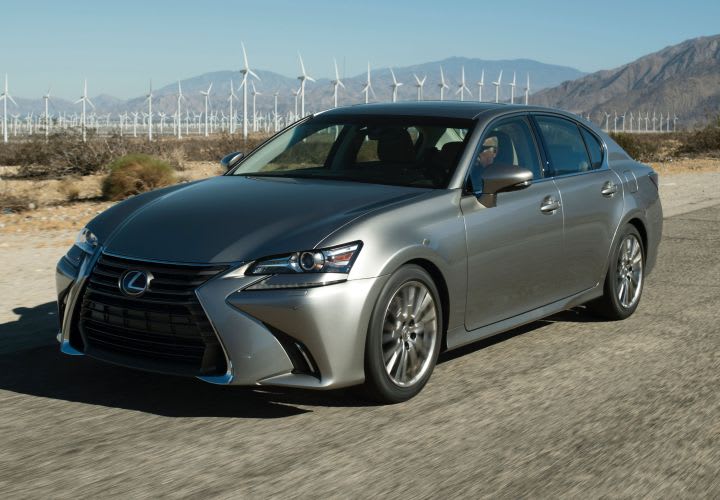
Photo of 2016 GS 200t courtesy of Lexus.
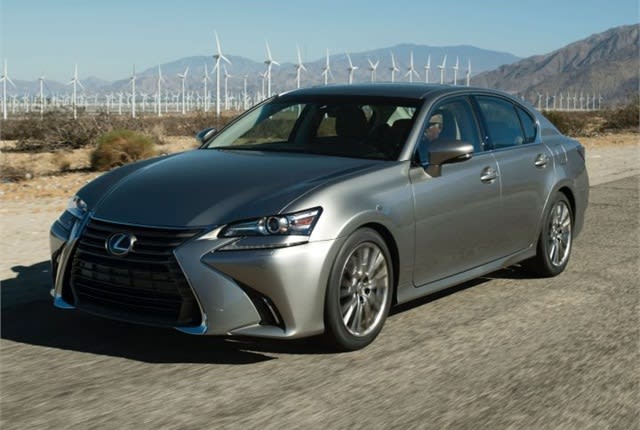
Photo of 2016 GS 200t courtesy of Lexus.
Lexus is adding a turbo-charged, rear-wheel drive GS model as its third vehicle for that nameplate in the 2016 model year, the automaker announced as part of Monterey Car Week.
The GS 200t will feature a 2.0-liter turbo four-cylinder paired with an eight-speed automatic transmission. The new engine delivers 241 hp and 258 lb.-ft. of torque. Lexus estimates 33 mpg for highway driving.
Lexus is also increasing the power of the GS 350 model with a more muscular 3.5-liter V-6 that now produces 311 hp and 280 lb.-ft. of torque. The engine uses direct fuel injection with additional port fuel injectors.
The Lexus Safety System+ optional safety system will be offered for the first time as a package of technologies that include a pre-collision system with pedestrian detection, lane departure alert with steering assist, intelligent high beam and all-speed dynamic radar cruise control.
As part of the mid-cycle refresh, the GS lineup will also get a restyled front end and upgraded multimedia technology.
The GS 450h is a high-performing hybrid with an Atkinson cycle 3.5-liter V-6 engine and electric motor that produces 338 hp. Lexus delivers power to the wheels with a continuously variable transmission. The carryover model has been rated by the EPA for 29 mpg in the city, 34 mpg on the highway, and 31 mpg combined.
More Operations

How Fleets Can Recruit and Train Veterans for Technician Roles
Here's how the technician shortage has affected uptime for fleets, and what to do about it.
Read More →
Avis Budget Group Deploys Neology Toll Management Technology Across Major Brands
Neology’s neoFleet platform will manage toll transactions and toll-authority operations for vehicles across Avis, Budget, Payless, Budget Truck and Zipcar.
Read More →
Fleet Personal-Use Charges Edge Higher in 2026
Nearly eight in 10 surveyed fleets allow personal use of company vehicles, while just over half of respondents report charging employees for the privilege.
Read More →
The Future of Fleet + What’s Changing Right Now | AF News Recap
Could developments overseas offer a preview of what’s coming for U.S. fleets? This week, we’re looking at the future of AI, autonomy, and electrification, plus Ford Pro’s new certified pre-owned program, smarter vehicle offboarding, and a new way for fleets to manage toll expenses.
Read More →
How to Handle Vehicle Offboarding
What do fleet managers need to do when a driver leaves?
Read More →
Fleet Manager’s Ultimate Playbook: Navigating the New Standard in OEM Connectivity
Rising operating costs, driver safety concerns, and unplanned downtime are putting unprecedented pressure on modern fleets. Discover how fleet managers use embedded OEM connectivity and real-time vehicle data to cut TCO, prevent downtime, and protect drivers without aftermarket telematics hardware.
Read More →
U.S. Bank Adds Verra Mobility Toll Management to Voyager Fleet Platform
The integration allows U.S. Bank Voyager fleet customers to manage toll payments and violations alongside fuel, EV charging and maintenance expenses.
Read More →
ADAS Prevents Crashes. But Repairs Cost More | AF News Recap
ADAS-equipped vehicles may crash less often, but they can cost more when they do. This week, we’re breaking down what that tradeoff means for fleets, plus Subaru’s first Forester Wilderness Hybrid, Nissan’s new e-POWER Rogue, and why Calstart has become Catalyst Mobility.
Read More →
Moventum Fleet Management Names Mark Iorillo Head of Sales
Iorillo brings nearly 20 years of fleet management and sales experience to the role, including previous positions at Element Fleet Management, CEI, Donlen and Ryder.
Read More →
Fleet Has a Talent Pipeline Problem. What Comes Next? | AF News Recap
Where will fleet’s next generation of leaders come from? This week, we’re looking at the industry’s talent pipeline, what certification can add to a fleet career, how to build an award-worthy track record, and the return of Automotive Fleet’s Personal Use Survey.
Read More →