




Lexus Adds Eight-Speed Transmission to GS 350 for 2014
Lexus is adding an eight-speed transmission to the rear-wheel drive model of its GS 350 sedan for 2014 and improving its fuel efficiency, according to the automaker.
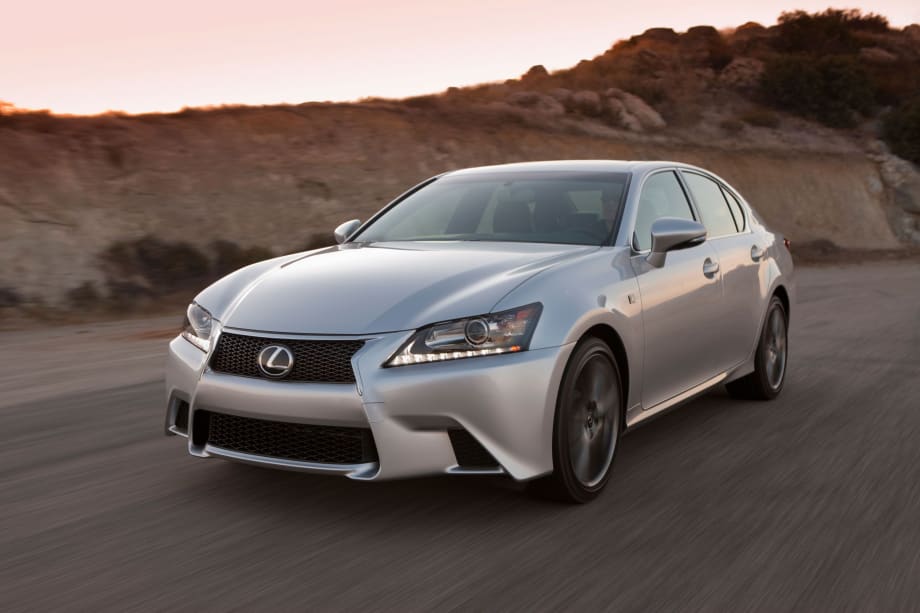
The 2014 Lexus GS 350. Photo courtesy Toyota.
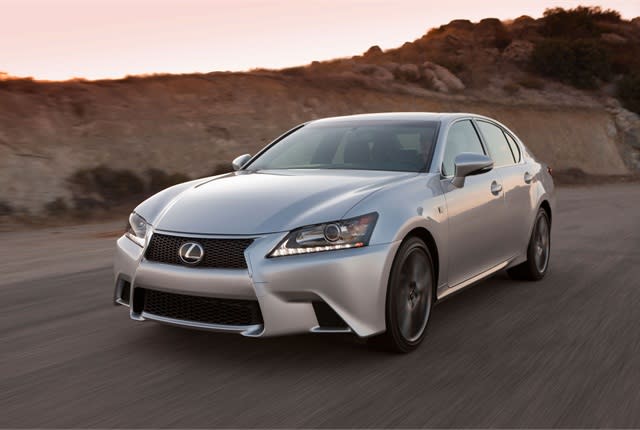
The 2014 Lexus GS 350. Photo courtesy Toyota.
Lexus is adding an eight-speed transmission to the rear-wheel drive model of its GS 350 sedan for 2014 and improving its fuel efficiency, according to the automaker.
Toyota is also offering rear cross-traffic alert functionality to its available blind spot monitor, and an optional power truck opener, and a full-color display to its optional heads-up display. The sensors on the 2014 Lexus GS 350’s available Intuitive Park Assist system are flush-mounted for the 2014-MY GS 350 as well.
Fuel economy for 2014 is 19 mpg city, 29 highway, 23 combined for the rear-wheel drive model with the new eight-speed sequential shift automatic transmission. The standard engine on the GS 350 is a 3.5L DOHC V-6 with Toyota’s dual Variable Valve Timing with intelligence (VVT-i) technology.
Other changes for 2014 include the discontinuation of the Lexus Night View System, changes to the Luxury Package, including LED foglamps, a Superchrome finish for 18-inch wheels, and the rear armrest control panel display adds display option to view radio station and song title information.
More Operations

Top 50 Executive Fleets
It is that time of year again! Time for the 2026 list of the Top 50 Executive Fleets, presented by Automotive Fleet and Volvo as part of its annual Fleet 500. Download now to see this year's list of companies!
Read More →
Gary Van Orden Retires After Nearly Four Decades in Commercial Fleet
From answering customer calls at Ford Motor Company to leading fleet sales across multiple OEMs and a fleet management company, Gary Van Orden's career reflects nearly four decades of leadership in commercial fleet.
Read More →
How Stellantis Plans to Get Ahead of Fleet Downtime
Vehicle acquisition may grab the headlines, but fleet uptime increasingly determines operating success. Darren Bradshaw of Mopar North America gives the details.
Read More →
Hyundai Releases 2027 Commercial Program Incentives
The 2027 Model Year "Fleet Street Incentives" are available to commercial and government fleets.
Read More →
It's All Downhill from Here! Fleet Industry Raises $22,000 for Skilled Trades Scholarships
Work Truck’s Lauren Fletcher and Automotive Fleet’s Chris Brown turned a friendly racing rivalry into $22,000 for automotive technology and skilled trades scholarships.
Read More →
The Top 300 Commercial Fleets
The Top 300 Commercial Fleets: See the List
Read More →

Your Local Dealer Knows More Than You Think
Your local dealer can provide an information advantage that extends well beyond courtesy deliveries.
Read More →
Fleet Meets: Austin Schutte
Here are some industry insights, personal touches, and words of advice from the CEO and Founder of Anew Solutions.
Read More →
Soap Box Derby Challenge: What’s Powering Team Brown
The car is coming together, the students are solving real build problems, and the fleet industry is helping push Team Brown toward the starting line.
Read More →