




Lexus 2010 HS 250h Receives Five Star Rating for Crash Tests
TORRANCE, CA - The National Highway Traffic Safety Administration (NHTSA) awarded the Lexus 2010 HS 250h, the world's first dedicated luxury hybrid, a rating of five out of five stars for both front impact for the driver and right front passenger positions and side impact for the driver and left rear passenger positions.
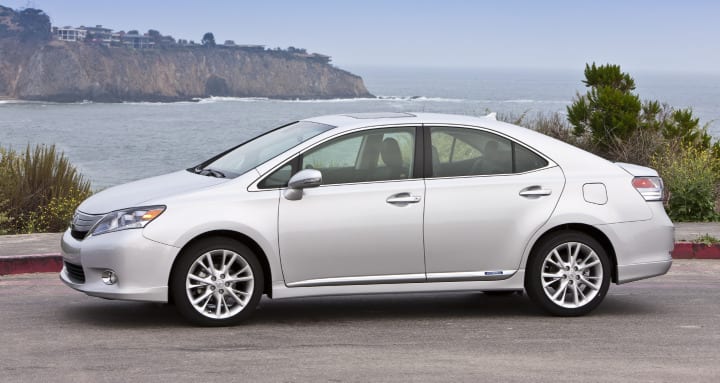
2010 Lexus HS 250h
TORRANCE, CA - The National Highway Traffic Safety Administration (NHTSA) awarded the Lexus 2010 HS 250h, the world's first dedicated luxury hybrid, a rating of five out of five stars for both front impact for the driver and right front passenger positions and side impact for the driver and left rear passenger positions.
The New Car Assessment Program (NCAP), a consumer information program created by NHTSA, rates vehicles to determine crash and rollover safety. The crash test ratings are gathered during controlled crash and rollover tests conducted at the NHTSA research facilities. The announcement was released on the NHTSA Web site www.safercar.gov.
According to Lexus, the body structure of the HS 250h plays a key role in the fundamental safety characteristics. To help protect the driver and passengers, the body is designed to be strong but strategically resilient to help absorb and distribute energy in the event of a crash. High tension steel components are carefully located in the body structure, doors and other areas to help ensure strength in key areas.
Also incorporated is a standard class-leading 10-airbag Supplemental Restraint System (SRS) with dual-stage front airbags and knee airbags for driver and front passenger, side curtain airbags, and both front and rear seat-mounted side airbags to help protect front and rear passengers in certain types of severe frontal or side collisions. The front passenger's twin-chamber airbag helps disperse the forces applied to the passenger immediately after deployment. Additionally, front and outer rear seatbelts incorporate pretensioners with force-limiters to help protect occupants in the event of certain severe frontal collisions. Active front headrests are also standard.
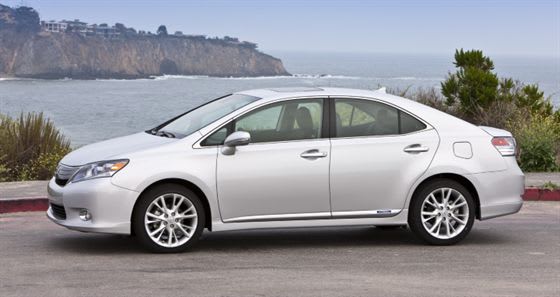
The HS 250h, which went on sale in August 2009, has an impressive 187 total system horsepower and has achieved EPA estimated fuel economy ratings of 35 mpg city and 34 mpg on the highway for a combined 35 mpg utilizing regular 87-octane gasoline - an 80 percent better city mpg rating compared to the average near luxury car.
More Operations

Top 50 Executive Fleets
It is that time of year again! Time for the 2026 list of the Top 50 Executive Fleets, presented by Automotive Fleet and Volvo as part of its annual Fleet 500. Download now to see this year's list of companies!
Read More →
Gary Van Orden Retires After Nearly Four Decades in Commercial Fleet
From answering customer calls at Ford Motor Company to leading fleet sales across multiple OEMs and a fleet management company, Gary Van Orden's career reflects nearly four decades of leadership in commercial fleet.
Read More →
How Stellantis Plans to Get Ahead of Fleet Downtime
Vehicle acquisition may grab the headlines, but fleet uptime increasingly determines operating success. Darren Bradshaw of Mopar North America gives the details.
Read More →
Hyundai Releases 2027 Commercial Program Incentives
The 2027 Model Year "Fleet Street Incentives" are available to commercial and government fleets.
Read More →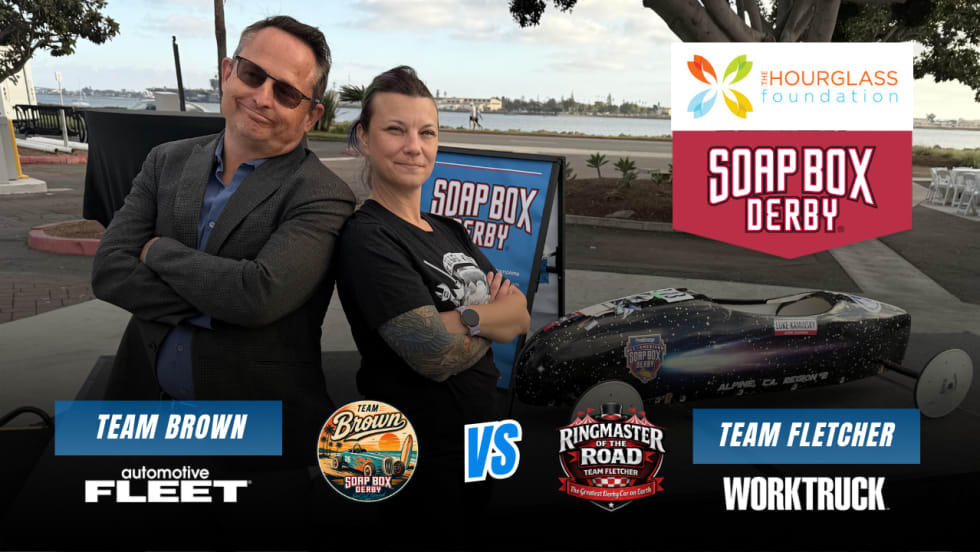
It's All Downhill from Here! Fleet Industry Raises $22,000 for Skilled Trades Scholarships
Work Truck’s Lauren Fletcher and Automotive Fleet’s Chris Brown turned a friendly racing rivalry into $22,000 for automotive technology and skilled trades scholarships.
Read More →
The Top 300 Commercial Fleets
The Top 300 Commercial Fleets: See the List
Read More →

Your Local Dealer Knows More Than You Think
Your local dealer can provide an information advantage that extends well beyond courtesy deliveries.
Read More →
Fleet Meets: Austin Schutte
Here are some industry insights, personal touches, and words of advice from the CEO and Founder of Anew Solutions.
Read More →
Soap Box Derby Challenge: What’s Powering Team Brown
The car is coming together, the students are solving real build problems, and the fleet industry is helping push Team Brown toward the starting line.
Read More →