




Learn How to Drive in Extreme Heat
To prepare for the next heat wave, fleet drivers can follow these six vehicle tips and these four driving tips to lessen the impact of extreme weather on the company asset.
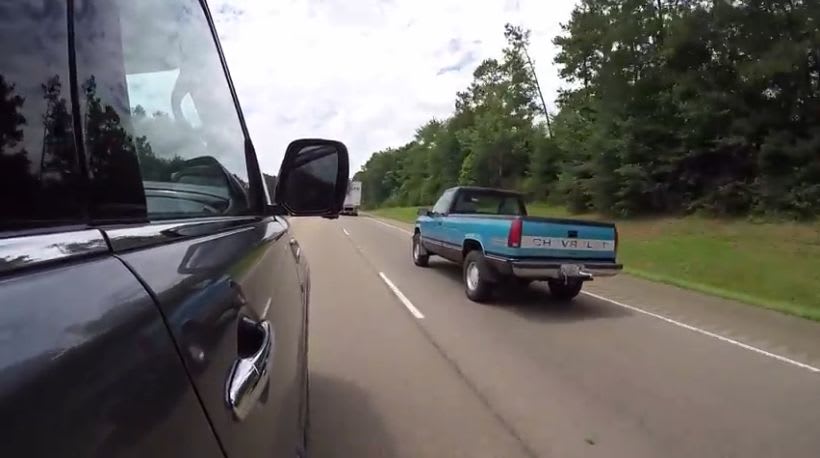
A vehicle inspection is even more important during extreme summer heat.
Screenshot via 50 Campgrounds.
Even if your fleet drivers aren't heading through Death Valley, Calif., there are plenty of other pockets of the country that experience record-setting temperatures during the summer. Cities that regularly log the hottest temperatures in June, July, and August include Phoenix, Las Vegas, Dallas, Austin, San Antonio, Houston, Miami, Tampa, New Orleans, and Orlando.
Summer temperatures average more than 90 degrees in Phoenix and Las Vegas, according to a study by Current Results that analyzed weather data collected by the NOAA from 1981 to 2010. Another 11 cities average over 80 degrees.
Fleet drivers can prepare themselves for the next heat wave by following these six vehicle tips and these four driving tips to lessen the impact of extreme weather on the company asset:
Refill coolant: Make sure your radiator has plenty of coolant.
Check hoses for leaks, cracks, peeling, or separation: Fix any problems so that the coolant can flow easily through the hoses.
Add ample oil: The hotter it gets, the more important oil becomes, so be sure your vehicle has plenty of clean oil at all times.
Check the battery: Ensure the terminal is clean and there is adequate water in it.
Check tire pressure often: They need to be checked often for accurate pressure. Summertime brings with it sunbaked roadways that can easily cause wear and tear on tires.
Service the air conditioner in the spring: It's relatively inexpensive to do so, and can save a driver from a brutally draining day on the job if the air conditioner breaks down when the temperature is rising.
Experts also say there are several steps drivers can take to better deal with the heat once they are behind the wheel. Here are a few tips:
Use a sunshade: When parking in the sun for any extended length of time, take a moment to cover the windshield with a sunshade. It will shield your dark dashboard which otherwise can get scorching hot and take a long time to cool down.
Cool off your steering wheel: When returning to your vehicle after parking in sun, you may be greeted by an extra-hot steering wheel. Use a wet wipe to disperse the heat and cool it off.
Choose A/C or windows down: Experts say that if you are driving at 40mph or slower, open windows and no air conditioning is the better option for keeping your vehicle cool. However, when traveling over 40mph, the opposite is true, so shut the windows and crack the air conditioner.
Know what to do if your vehicle overheats: Though overheating is uncommon today, if it happens be sure you don't ride the brakes. Also, turn the air conditioner off and if the vehicle continues to overheat, turn the heat on.
More Safety

Fleet Manager’s Ultimate Playbook: Navigating the New Standard in OEM Connectivity
Rising operating costs, driver safety concerns, and unplanned downtime are putting unprecedented pressure on modern fleets. Discover how fleet managers use embedded OEM connectivity and real-time vehicle data to cut TCO, prevent downtime, and protect drivers without aftermarket telematics hardware.
Read More →
From Driver Well-Being to EV Charging | AF News Recap
Mental health belongs in the fleet safety conversation. This week, we’re looking at five ways fleets can support employee well-being before a crisis, plus Holman’s expansion in Mexico, new one-day Fleet Forward passes, and why EV charging demand is outpacing infrastructure growth.
Read More →
Nexar-Nauto Merger Aims to Give Fleets Better Safety Intelligence Through Larger Driving Dataset
Stefan Heck tells Automotive Fleet that combining more than 10 billion miles of driving history with Nexar's AI models will give fleets deeper insights into driver risk and roadway conditions than either company could provide independently.
Read More →
Don't Wait for a Crisis: 5 Ways to Build Mental Health Into Your Fleet Safety Program
For Suicide Prevention Month, fleet and safety leaders have an opportunity to put mental health where it belongs: at the center of workplace safety.
Read More →
How Camera Data Can Strengthen a Fleet’s Insurance Renewal
Insights from a commercial insurance carrier and a broker show how fleets can turn video telematic data, driver coaching, and improved claims results into a stronger case at insurance renewal.
Read More →
The Safest Fleets Aren’t the Ones with the Most Technology
You’ve made the telematics investment. Here’s how to capture the other half of its value and build the safest fleet on the road.
Read More →
Hidden in Plain Sight: Fleet Compliance Risks
Fleet compliance isn't just about having policies — it's about consistently enforcing them. This practical guide reveals six hidden compliance risks common in public sector and shared fleet operations and outlines proven strategies to improve visibility, accountability, and audit readiness
Read More →
NETS Sets 2026 Fleet Safety Benchmark Conference for Indianapolis
The Sept. 15–17 program will feature fleet benchmarking data, case studies, emerging technologies, and implementation strategies while running alongside the NSC Safety Congress & Expo.
Read More →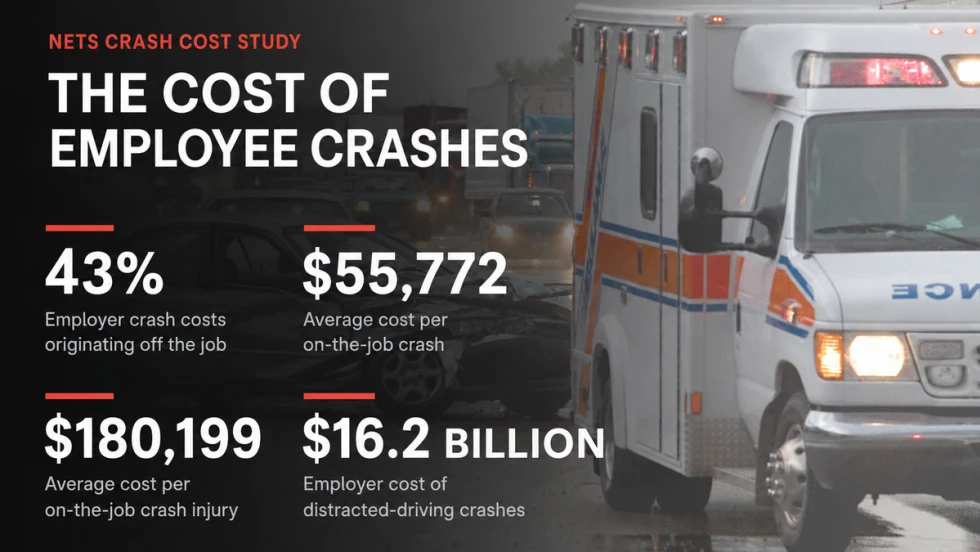
Off-the-Job Crashes Account for 43% of Employers’ $61.7 Billion Crash Burden
NETS quantifies costs dispersed across fleet, risk, HR, and other departments while providing new per-crash benchmarks for employers.
Read More →
Ram Recalls More Than 1.27 Million 1500 Pickups for Seat Belt Anchor Issue
The recall affects certain 2019-2026 Ram 1500 pickups that may have improperly attached second-row seat belt buckle anchors.
Read More →