




Related: 2017 Kia Niro Hybrid
Kia Develops Wireless Charging System for EVs
Kia has developed a fast-charging wireless power transfer system that looks to eliminate the need of plugs for electric vehicle charging.
by Staff
April 17, 20181 min to read
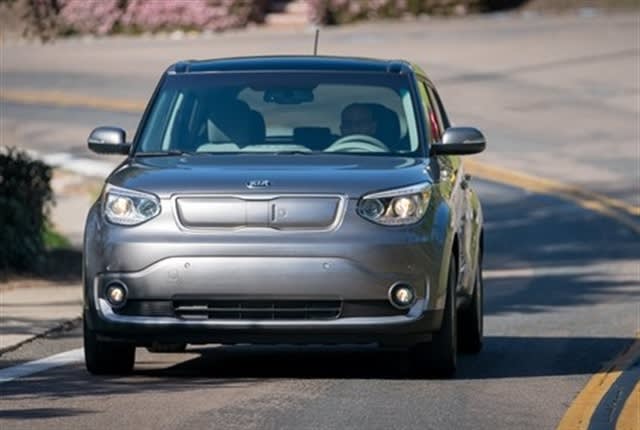
2018 Kia Soul EV courtesy of Kia.
Kia developed a fast-charging wireless power transfer system that looks to eliminate the need for plugs in electric vehicle charging.
The system was tested on a fleet of Kia Soul EVs, and was developed as part of a project with collaboration from the Hyundai-Kia America Technical Center, Inc., Mojo Mobility, Inc., and the U.S. Department of Energy, according to the automaker. The system is capable of transferring more than 10kW to a vehicle for fast charging with up to 85% efficiency.
The system works by using an electromagnetic field to transfer energy between two coils—a transmitter on the ground and a receiver on the bottom of the vehicle, according to the automaker. The driver parks the car above the transmitter to begin charging and then energy is sent through an inductive coupling to an electrical device, which uses that energy to charge the electric vehicles’ battery.
The Soul EVs were tested in real-world applications for durability, safety, and performance, said Kia. There is no current plan to offer the wireless charging system on production vehicles for sale to consumers.
More Green Fleet
EV Charging Use Is Outpacing Infrastructure Growth
ChargePoint’s 2026 Charging Forward Report points to rising charger use, higher-powered charging, commercial vehicle electrification, and energy-management technology. Here’s what fleets should know.
Read More →
Merchants Fleet Reports 290M EV Miles as Fleets Navigate Changing Electrification Market
From millions in operating savings to hundreds of millions of EV miles, Merchants Fleet’s latest report reveals what’s working and what’s changing in fleet electrification.
Read More →
The EV Breakdown Nobody's Talking About: Why Most Electric Vehicle Roadside Calls Aren't Mechanical Failures
Here's why EV breakdowns are widely misunderstood.
Read More →
ChargePoint Now Available in Energy Pass
ChargePoint and additional planned charging network integrations were added to GM's Energy Pass.
Read More →

First Look: Slate Auto's Electric Fleet Pickup
Could an affordable, modular EV pickup make electrification more practical for fleets?
Read More →
Slate Debuts Colorful, Unique EV Models
A recent media and client event, studded with electric vehicles dressed up on platforms, planted a new position for the manufacturer in the wider EV market. Fleets will find cost-saving advantages.
Read More →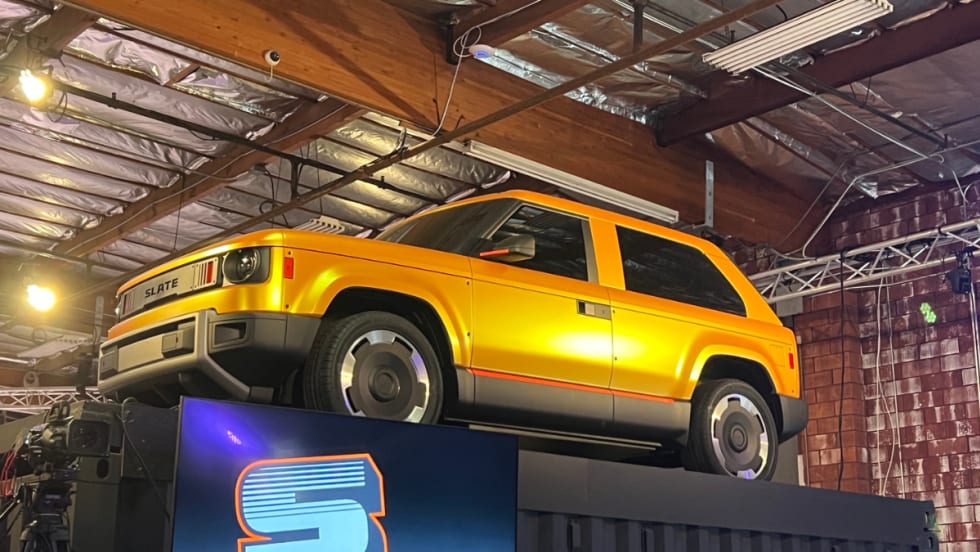
Slate Electric SUV, Pickup Switchable Model Aims For Light-Duty Fleets
Everything about this EV is counterintuitive and understated, making it stand out from the crowd.
Read More →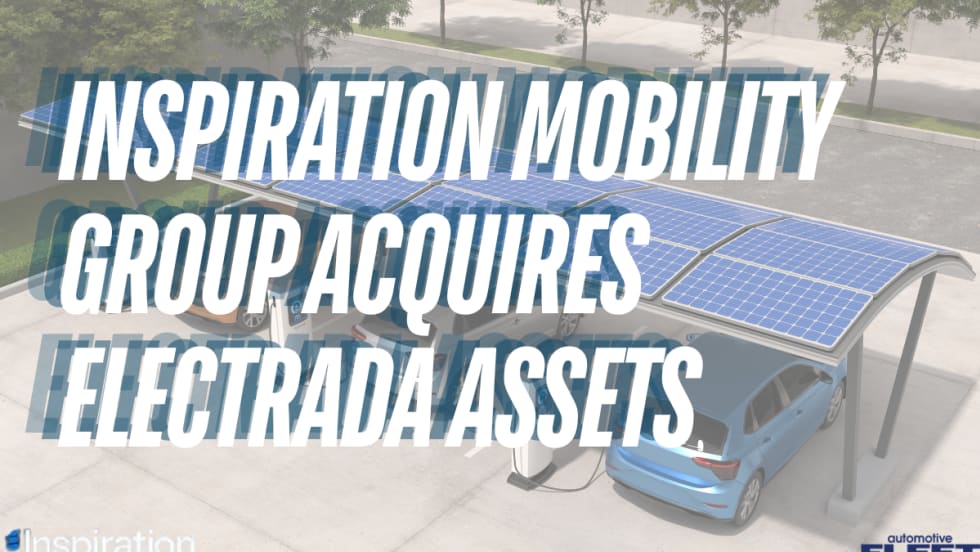
Inspiration Mobility Acquires Key Electrada Assets
Inspiration Mobility Group has acquired select assets of Electrada, adding the fleet electrification provider's team, technology, and charging infrastructure development capabilities to its energy management business.
Read More →
Sponsored•June 1, 2026
Turning Connected Vehicle Data Into Decisions That Matter
Fleet leaders have more data than ever, but turning that data into clear, actionable decisions remains a challenge. This white paper shows how leading organizations are using connected vehicle data to improve safety, reduce costs, and optimize fleet performance. Learn how to turn insight into action across your fleet.
Read More →