




Johnson Controls Expands Stop-Start Battery Production
Johnson Controls is expanding the production of advanced batteries for start-stop vehicles amid growing demand for better fuel economy.
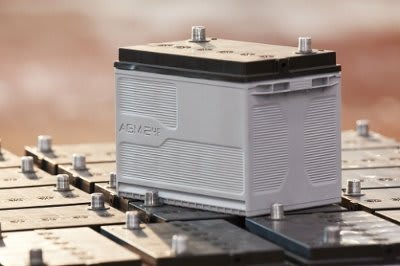
Photo courtesy of Johnson Controls.
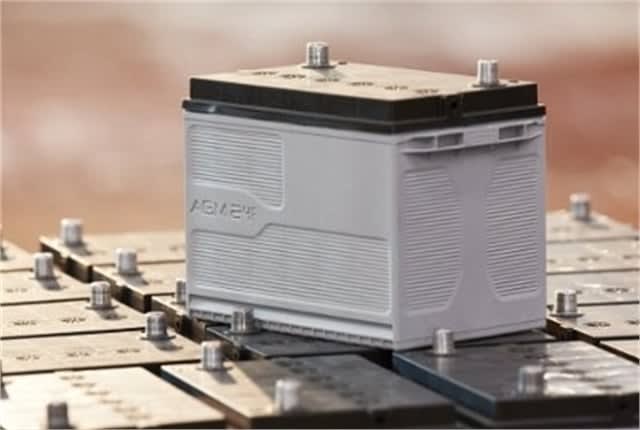
Photo courtesy of Johnson Controls.
Johnson Controls is expanding the production of advanced batteries for start-stop vehicles amid growing demand for better fuel economy.
"Consumers want to drive vehicles further using less gas," says Petar Oklobdzija, Johnson Controls' vice president and general manager of original equipment for the Americas. "They want to buy vehicles with technology that is available today and is affordable. The solution is start-stop technology."
Tightening government fuel economy and carbon emission reduction targets put additional challenges on car makers from all around the world to replace conventional technologies with more efficient, advanced technologies.
"Most auto makers have already announced plans to have a majority of new vehicles equipped with start-stop or similar technology within the next three to five years," adds Oklobdzija. "Our battery supply contracts for the Ford F-150 and Chevy Malibu underscore this trend, which predicts about 9 million start-stop vehicles will be on the road in the U.S. by 2020."
Start-stop enables up to 5 percent fuel economy savings over a conventional vehicle. The technology automatically shuts off the engine when the car is idle and restarts it when the driver's foot leaves the brake pedal. During this time, the vehicle's electrical systems — from entertainment to lights — use energy from an advanced lead-acid battery rather than the gas-powered engine, thus saving fuel.
The global start-stop market for new vehicles could reach 53 million annually by 2020. The technology gained its popularity in Europe followed by the U.S. and China. In addition to start-stop, Johnson Controls provides a full range of lead acid and Lithium-ion batteries to power nearly every type of vehicle including conventional, micro hybrid, hybrid and electric.
Johnson Controls is expanding the production of advanced batteries for start-stop vehicles amid growing demand for better fuel economy and more sustainable technologies. The company will increase its existing Absorbent Glass Mat (AGM) battery capacity in its Toledo, Ohio plant, bringing the overall invested amount to $130 million since the start of production for this technology in the U.S. in 2012.
More Operations

How Fleets Can Recruit and Train Veterans for Technician Roles
Here's how the technician shortage has affected uptime for fleets, and what to do about it.
Read More →
Avis Budget Group Deploys Neology Toll Management Technology Across Major Brands
Neology’s neoFleet platform will manage toll transactions and toll-authority operations for vehicles across Avis, Budget, Payless, Budget Truck and Zipcar.
Read More →
Fleet Personal-Use Charges Edge Higher in 2026
Nearly eight in 10 surveyed fleets allow personal use of company vehicles, while just over half of respondents report charging employees for the privilege.
Read More →
The Future of Fleet + What’s Changing Right Now | AF News Recap
Could developments overseas offer a preview of what’s coming for U.S. fleets? This week, we’re looking at the future of AI, autonomy, and electrification, plus Ford Pro’s new certified pre-owned program, smarter vehicle offboarding, and a new way for fleets to manage toll expenses.
Read More →
How to Handle Vehicle Offboarding
What do fleet managers need to do when a driver leaves?
Read More →
Fleet Manager’s Ultimate Playbook: Navigating the New Standard in OEM Connectivity
Rising operating costs, driver safety concerns, and unplanned downtime are putting unprecedented pressure on modern fleets. Discover how fleet managers use embedded OEM connectivity and real-time vehicle data to cut TCO, prevent downtime, and protect drivers without aftermarket telematics hardware.
Read More →
U.S. Bank Adds Verra Mobility Toll Management to Voyager Fleet Platform
The integration allows U.S. Bank Voyager fleet customers to manage toll payments and violations alongside fuel, EV charging and maintenance expenses.
Read More →
ADAS Prevents Crashes. But Repairs Cost More | AF News Recap
ADAS-equipped vehicles may crash less often, but they can cost more when they do. This week, we’re breaking down what that tradeoff means for fleets, plus Subaru’s first Forester Wilderness Hybrid, Nissan’s new e-POWER Rogue, and why Calstart has become Catalyst Mobility.
Read More →
Moventum Fleet Management Names Mark Iorillo Head of Sales
Iorillo brings nearly 20 years of fleet management and sales experience to the role, including previous positions at Element Fleet Management, CEI, Donlen and Ryder.
Read More →
Fleet Has a Talent Pipeline Problem. What Comes Next? | AF News Recap
Where will fleet’s next generation of leaders come from? This week, we’re looking at the industry’s talent pipeline, what certification can add to a fleet career, how to build an award-worthy track record, and the return of Automotive Fleet’s Personal Use Survey.
Read More →