




International Truck and Engine Corporation and EPA Collaborate on Clean Diesel Technology
Diesel engine designer and manufacturer International Truck and Engine Corporation has partnered with the U.S. Environmental Protection Agency (EPA) to evaluate the agency's clean diesel combustion (CDC) technology, a potentially winning pathway for diesel engines to meet stringent automotive Tier 2 emissions levels in 2007 and 2010

Diesel engine designer and manufacturer International Truck and Engine Corporation has partnered with the U.S. Environmental Protection Agency (EPA) to evaluate the agency's clean diesel combustion (CDC) technology, a potentially winning pathway for diesel engines to meet stringent automotive Tier 2 emissions levels in 2007 and 2010. The partnership takes place through a Cooperative Research and Development Agreement (CRADA) to determine the commercial viability of the diesel emission technology, invented in the EPA’s National Vehicle and Fuel Emissions Laboratory in Ann Arbor, Mich. The new technology uses in-cylinder control of nitrogen oxides (NOx) to reduce or eliminate entirely the need for after treatment related to NOx. International is evaluating CDC technology for use in its product line, starting with its V-6, diesel sized for SUVs and pickup trucks. EPA Administrator Mike Leavitt said that this technology shows great potential to further the viability of environmentally friendly diesel power in popular passenger vehicles such as SUVs and pickups. These vehicles, he said, would save consumers money, reduce health-related and greenhouse gas emissions, and lower U.S. dependence on imported oil. Allen added that while the current technology will be tested on a V-6 engine for pickup and SUV applications, International also plans to look into ways to adapt the technology for heavy duty commercial vehicles. The new technology relies on improvements in several diesel engine systems, including fuel injection, air management, boost, and combustion. It eliminates the need to rely on breakthrough after-treatment technologies in order to reach upcoming EPA emissions standards. By reducing the cost of future emissions control, it is expected to make diesel a more viable option for light-duty applications such as automobiles and SUVs. International Truck and Engine produces mid-range diesel engines, medium trucks, heavy trucks, severe service vehicles, bus chassis and a provider of parts and service sold under the International® brand. The company also is a private label designer and manufacturer of diesel engines for the pickup truck, van and SUV markets. Additionally, through a joint venture with Ford Motor Company, the company builds medium commercial trucks and sells truck and diesel engine service parts. A subsidiary, IC Corporation, produces integrated school buses.
More Operations


Your Local Dealer Knows More Than You Think
Your local dealer can provide an information advantage that extends well beyond courtesy deliveries.
Read More →
Fleet Meets: Austin Schutte
Here are some industry insights, personal touches, and words of advice from the CEO and Founder of Anew Solutions.
Read More →


Soap Box Derby Challenge: What’s Powering Team Brown
The car is coming together, the students are solving real build problems, and the fleet industry is helping push Team Brown toward the starting line.
Read More →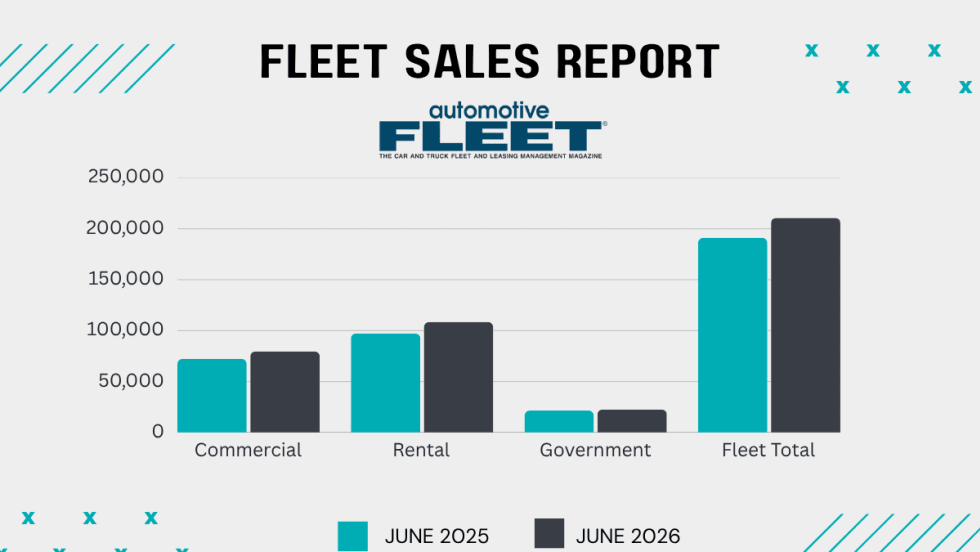
Commercial Fleet Sales Contribute To June, YTD Gains
The fleet sector has boosted its vehicle purchases at a reliable pace in the first half of this year compared with 1H 2025.
Read More →
What Fleet Managers Really Want From Vendors
From customer service frustrations and technology breakdowns to RFQs, change management, and the growing impact of turnover across the industry, this conversation pulls back the curtain on the real operational challenges fleet managers are navigating every day.
Read More →
Fleet Safety Masterclass: Industry Leaders on Storytelling, Strategy & Innovation
In this special masterclass episode, industry leaders break down what it really takes to build safer fleets in today’s increasingly distracted and data-driven world.
Read More →
Integrating Legacy Fleet Systems and Historical Data
In this episode, we bring together fleet and technology leaders to unpack the realities of data integration, system migrations, and the evolving role of AI in fleet management.
Read More →
From Resistance to Results: Change Management Strategies for Fleets
From new technologies and safety programs to evolving regulations, fleets are under constant pressure to adapt. But as Dr. Betz explains, success isn’t about the system you implement—it’s about whether your people actually use it.
Read More →
Where We're Headed: A Practical Look at AI in Fleet
Discover how AI is actually being deployed in fleets, not just marketed, including practical use cases and emerging risks.
Read More →