




Stability control systems could save more than 7,000 lives a year if automakers adopt the technology across their entire car and truck lineups, according to an insurance industry study released Oct. 27, according to the Detroit News. The study by the Insurance Institute for Highway Safety (IIHS) found the greatest safety benefit for single-vehicle crashes that result in a fatality. The study estimated stability control would reduce the likelihood of a fatal single vehicle crash by 56 percent. In 2003, 15,621 people died in single-vehicle crashes, according to federal crash data. The new study echoes federal government findings published last month. The National Highway Traffic Safety Administration (NHTSA) found the greatest safety benefits for SUVs, with stability control leading to a 67 percent reduction in single-vehicle crashes. NHTSA found that stability control led to 30 percent fewer single-vehicle crashes in cars. The agency estimated that 7.4 percent of vehicles sold in the United States in 2003 featured stability control. Electronic stability control systems (ESC) help drivers stay on the road in emergency situations by automatically adjusting steering and braking to keep a vehicle on course. Sensors in the steering wheel and in the braking system calculate the driver's intended line of travel. If the driver is on a slippery road or is trying to turn too quickly at a high speed, the stability control system will apply the brakes to one or more wheels to bring the vehicle back under control. “SUVs typically have high single-vehicle rollover rates, and these crashes usually involve drivers losing control of their vehicles,” said Susan Ferguson, senior vice president for research at Insurance Institute. “So it wouldn't be surprising if SUVs benefited more from ESC.” The institute will look more closely at SUVs when stability control systems become more common, Ferguson said. Automakers are increasingly adding the technology. General Motors Corp. made stability control standard on its 15-passenger Chevrolet Express and GMC Savana vans in 2004.
Insurance Study Reveals Stability Control Reduces Likelihood of Fatal Single-Vehicle Crash by 56 Percent
Stability control systems could save more than 7,000 lives a year if automakers adopt the technology across their entire car and truck lineups, according to an insurance industry study released Oct. 27, according to the Detroit News.
More Operations
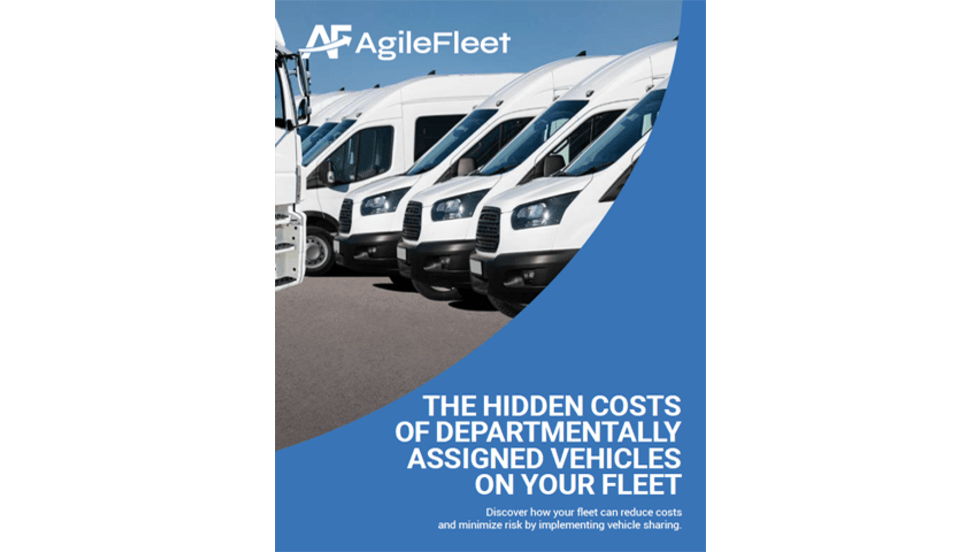
Why Fleet Managers Are Replacing Departmental Vehicles with Shared Motor Pools
Departmentally assigned vehicles often create hidden costs through underutilization, poor visibility, and increased administrative burden. This white paper explores how shared motor pool strategies help fleets reduce costs, improve accountability, and optimize vehicle utilization.
Read More →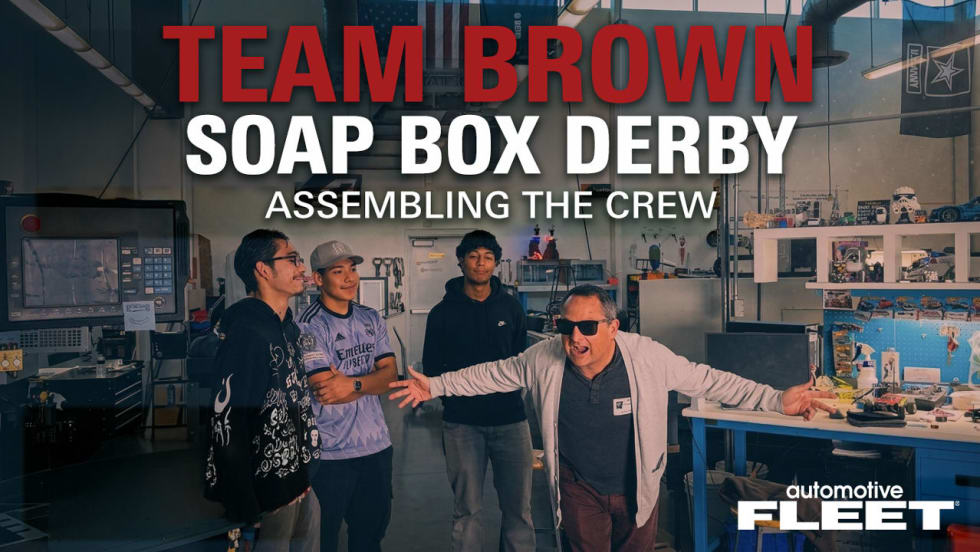
Soap Box Derby Challenge: Assembling the Crew
Meet Gabriel, Matthew, and Angel — the team helping bring this soap box derby build to life.
Read More →
BBL Fleet Acquires Velcor Leasing Corporation
BBL Fleet expanded its footprint in the fleet management industry with the acquisition of Velcor Leasing Corporation of Madison through a stock purchase agreement finalized Feb. 27, 2026.
Read More →
Lytx Introduces New AI Fleet Technologies at Protect 2026
The company introduced new AI-driven fleet safety and operations technologies during its annual user conference.
Read More →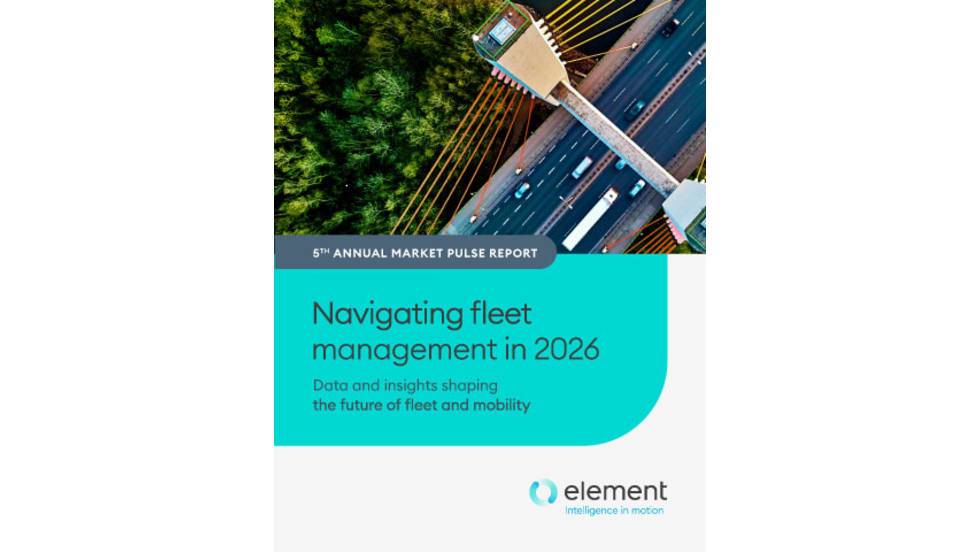
Fleet Costs Are Rising: Here’s How Leaders Are Responding
Fleet leaders are under pressure to reduce costs, adapt to economic uncertainty, and make smarter decisions. See how peers across North America are responding with real data, proven strategies, and forward-looking insights. Download the 2026 Market Pulse Report to benchmark your strategy and uncover where you can gain an edge.
Read More →
From Waffle House to AI: Fleet Trends You Need to Know
In this AF news recap, host Faith Howell covers how Waffle House stepped up during disaster response and new AI tech on the market.
Read More →
Fleet Operations in the Age of AI: Navigating Ethical and Legal Challenges
AI is no longer a future concept for fleets—it’s already embedded in the tools, data, and decisions that operators rely on every day. In this episode of the Fleet Forward Podcast, recorded live at Fleet Forward, industry leaders take the conversation beyond hype to examine what responsible AI adoption really looks like in fleet operations.
Read More →
Factory Installed vs. Aftermarket: Choosing the Right Telematics Path & Managing the Data
As fleets rethink how they capture, manage, and act on vehicle data, telematics is at a major inflection point. In this episode of the Fleet Forward Podcast, we dive deep into one of the most pressing questions facing fleet leaders today: Should you rely on OEM factory-installed connectivity, aftermarket devices, or a hybrid of both?
Read More →
What Real-Time Data Reveals About EV Cost, Performance, and Scalability
Experts from telematics analytics, fleet-as-a-service operations, and national EV benchmarking share how real-time data is reshaping fleet strategy—dispelling assumptions, validating best practices, and exposing costly missteps.
Read More →
Planning Through Policy Shifts: What Fleets Must Track in 2026
A powerhouse panel featuring experts from the American Automotive Leasing Association, CalSTART, and municipal fleet leadership dives into the realities of navigating shifting emissions rules, regulatory waivers, federal agency actions, the future of the EPA’s endangerment finding, and the push for unified standards. They also examine the impacts of tariffs, autonomous vehicle policy, battery innovation, and the accelerating global EV market.
Read More →