




ARLINGTON, VA – The Insurance Institute for Highway Safety (IIHS) recently updated its study on the effectiveness of electronic stability control (ESC) and found that ESC reduces the risk of all single-vehicle crashes by more than 40 percent — and fatal ones by 56 percent. The study shows that ESC could prevent nearly one-third of all fatal crashes and reduce rollover risk by as much as 80 percent. Susan Ferguson, senior vice president for research, said that ESC is second only to safety belts in terms of life-saving benefits. IIHS estimated that if all new vehicles sold in the U.S. were equipped with ESC, 10,000 fatal crashes could be prevented each year. Currently, ESC comes standard on 40 percent of 2006 models and is optional on another 15 percent. Earlier IIHS research on ESC showed significant benefits in terms of reducing the rate of fatal single-vehicle crashes. The updated findings contained data from an additional year of crashes and more vehicle models. ESC technology is called by different names among manufacturers — including Stabilitrak, AdvanceTrac, Vehicle Skid Control, and Dynamic Stability Control — making it difficult for consumers to know whether the vehicle they own or the one they’re shopping for has the system.
Insurance Institute: ESC Benefits Equal to Safety Belts/Airbags
ARLINGTON, VA – The Insurance Institute for Highway Safety (IIHS) recently updated its study on the effectiveness of electronic stability control (ESC) and found that ESC reduces the risk of all single-vehicle crashes by more than 40 percent — and fatal ones by 56 percent.
More Operations
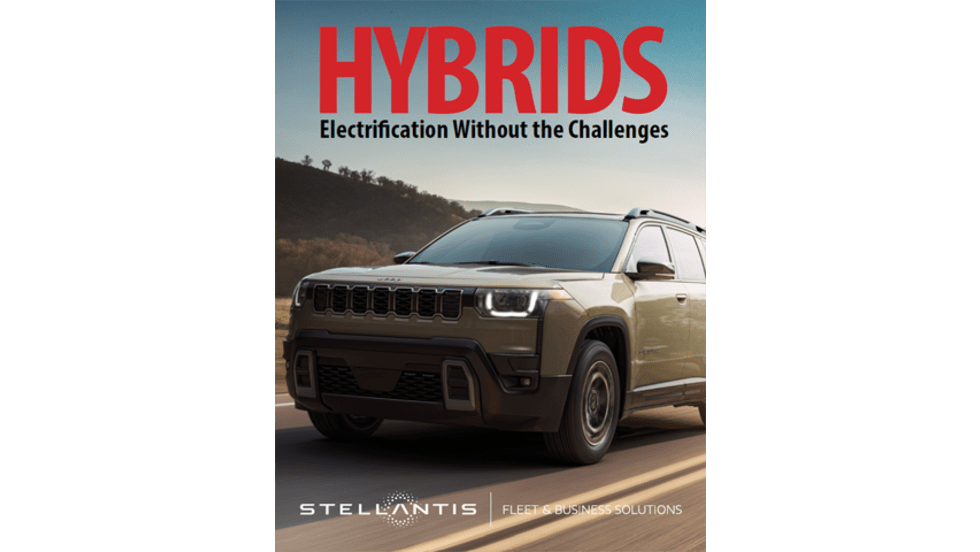
Hybrids: Electrification Without the Challenges
For fleet managers, fuel is one of the biggest line items in the budget — and it's one hybrids can shrink without changing how your people work. Download the eBook to see the numbers, understand the technology, and get a step-by-step guide to making the switch.
Read More →
How NOV Uses Telematics to Improve Fleet Safety Across 160 Locations
James Victory of NOV discusses how the company manages fleet safety, maintenance, and telematics across more than 150 locations supporting oilfield operations throughout the U.S.
Read More →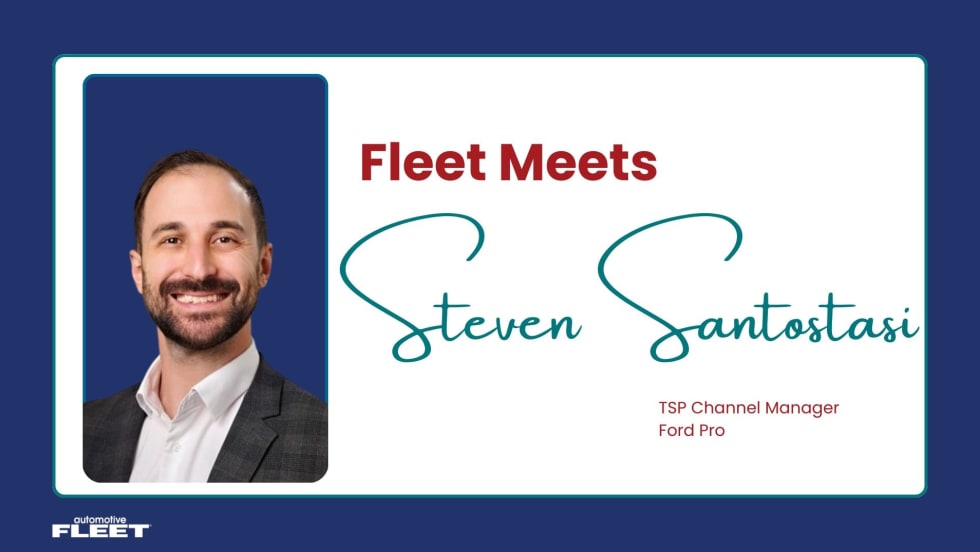
Fleet Meets: Steven Santostasi
This edition of the Fleet Meets series features Steven Santostasi, the current TSP channel manager for Ford Pro.
Read More →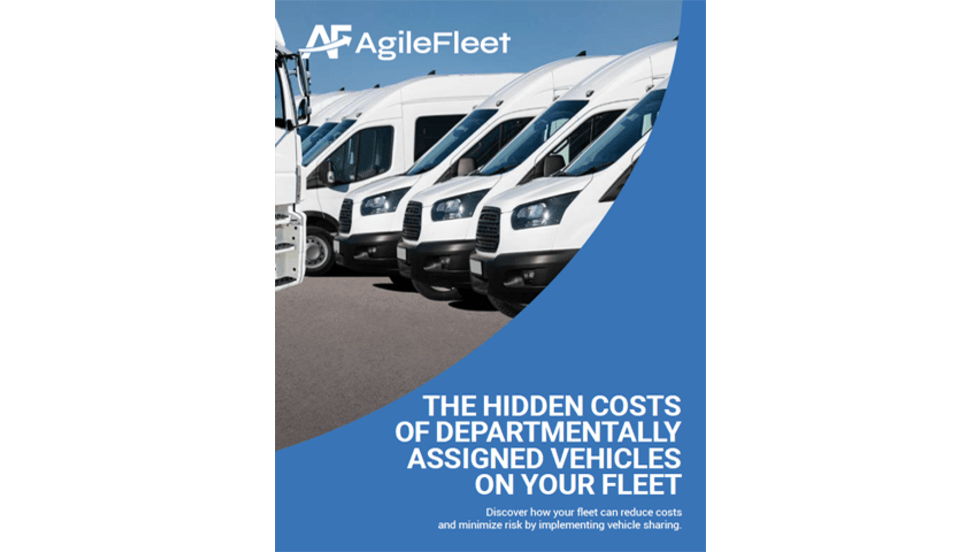
Why Fleet Managers Are Replacing Departmental Vehicles with Shared Motor Pools
Departmentally assigned vehicles often create hidden costs through underutilization, poor visibility, and increased administrative burden. This white paper explores how shared motor pool strategies help fleets reduce costs, improve accountability, and optimize vehicle utilization.
Read More →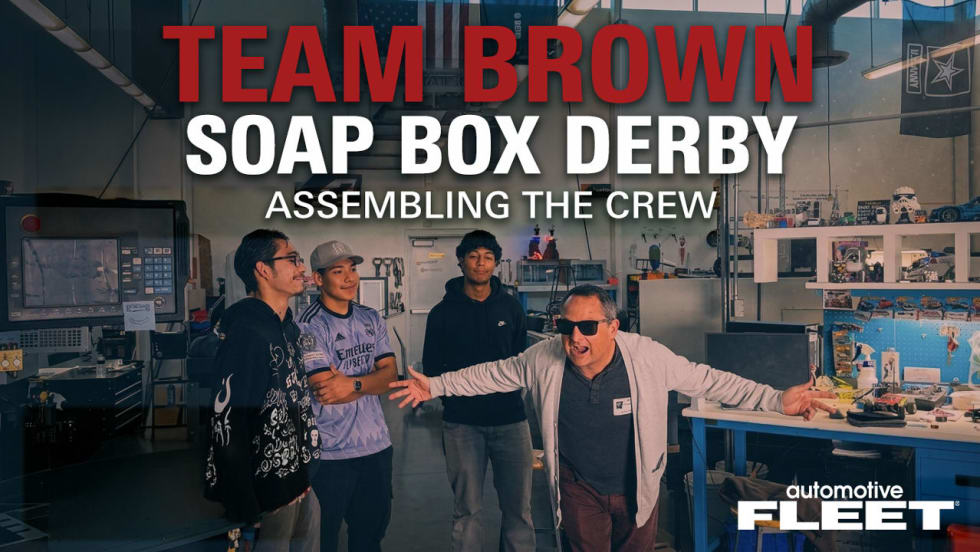
Soap Box Derby Challenge: Assembling the Crew
Meet Gabriel, Matthew, and Angel — the team helping bring this soap box derby build to life.
Read More →
BBL Fleet Acquires Velcor Leasing Corporation
BBL Fleet expanded its footprint in the fleet management industry with the acquisition of Velcor Leasing Corporation of Madison through a stock purchase agreement finalized Feb. 27, 2026.
Read More →
Lytx Introduces New AI Fleet Technologies at Protect 2026
The company introduced new AI-driven fleet safety and operations technologies during its annual user conference.
Read More →
Fleet Costs Are Rising: Here’s How Leaders Are Responding
Fleet leaders are under pressure to reduce costs, adapt to economic uncertainty, and make smarter decisions. See how peers across North America are responding with real data, proven strategies, and forward-looking insights. Download the 2026 Market Pulse Report to benchmark your strategy and uncover where you can gain an edge.
Read More →
From Waffle House to AI: Fleet Trends You Need to Know
In this AF news recap, host Faith Howell covers how Waffle House stepped up during disaster response and new AI tech on the market.
Read More →
Fleet Operations in the Age of AI: Navigating Ethical and Legal Challenges
AI is no longer a future concept for fleets—it’s already embedded in the tools, data, and decisions that operators rely on every day. In this episode of the Fleet Forward Podcast, recorded live at Fleet Forward, industry leaders take the conversation beyond hype to examine what responsible AI adoption really looks like in fleet operations.
Read More →