




Indies Ready Production Electric Vehicles
ZAP's Alias and Aptera's 2e are all-electric vehicles that can go from zero to 60 within seconds.

The Chevy Volt may be the biggest electric vehicle production project on the radar, but it's not the only one. Two independent companies, ZAP and Aptera, have their own launch plans for road-ready all-electric vehicles.
Santa Rosa, Calif.-based ZAP introduces the Alias, a fully electric, two-seater vehicle. The Alias includes zero to 60 acceleration, lithium-ion batteries, regenerative braking, composite shell solar glass, integrated GPS and Lamborghini-style doors. It is powered by an AC induction motor running at 216 volts.
Officials at ZAP said the price for the Alias is targeted to be less than $35,000. A limited number of hand-crafted vehicles will be available in 2009.
Additionally, Vista, Calif.-based Aptera Motors have also introduces an all-electric, two-seater model, with its 2e.
The pre-production vehicle is equipped with a lithium-based battery and features a number of vehicle enhancements such as front wheel drive, aerodynamic side-mounted mirrors and wider door openings that make getting in and out of the vehicle much easier than with previous designs. The aerodynamically-inspired 2e will go from zero to 60 in under 10 seconds, top out at 90 mph and get the equivalent of more than 200 miles-per-gallon based on a standard EPA driving cycle.
With an expected cost between $25,000 and $45,000, and a driving range of more than 100 miles-per-charge, initial sales will solely be in California, with plans to distribute the Aptera to the rest of the United States by late 2010.
More Green Fleet
EV Charging Use Is Outpacing Infrastructure Growth
ChargePoint’s 2026 Charging Forward Report points to rising charger use, higher-powered charging, commercial vehicle electrification, and energy-management technology. Here’s what fleets should know.
Read More →
Merchants Fleet Reports 290M EV Miles as Fleets Navigate Changing Electrification Market
From millions in operating savings to hundreds of millions of EV miles, Merchants Fleet’s latest report reveals what’s working and what’s changing in fleet electrification.
Read More →
The EV Breakdown Nobody's Talking About: Why Most Electric Vehicle Roadside Calls Aren't Mechanical Failures
Here's why EV breakdowns are widely misunderstood.
Read More →
ChargePoint Now Available in Energy Pass
ChargePoint and additional planned charging network integrations were added to GM's Energy Pass.
Read More →
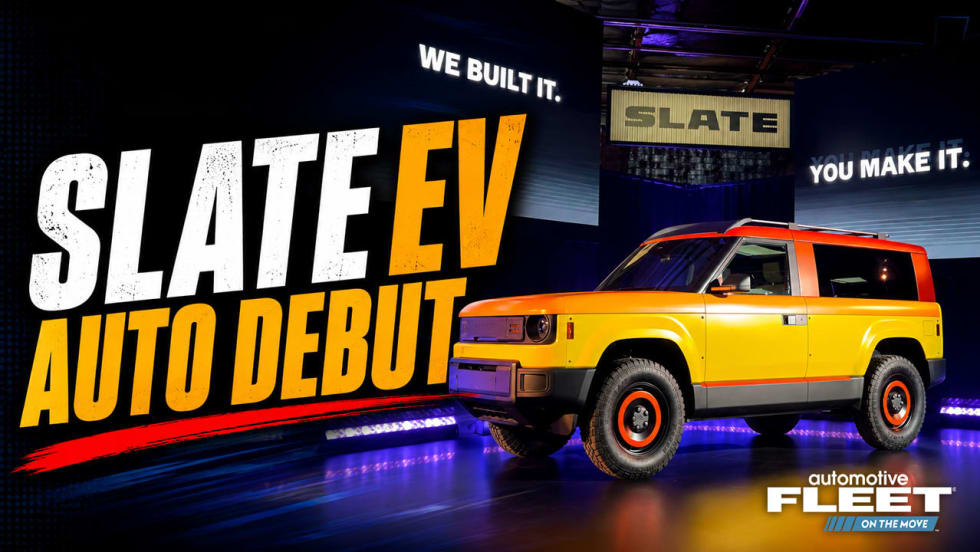
First Look: Slate Auto's Electric Fleet Pickup
Could an affordable, modular EV pickup make electrification more practical for fleets?
Read More →
Slate Debuts Colorful, Unique EV Models
A recent media and client event, studded with electric vehicles dressed up on platforms, planted a new position for the manufacturer in the wider EV market. Fleets will find cost-saving advantages.
Read More →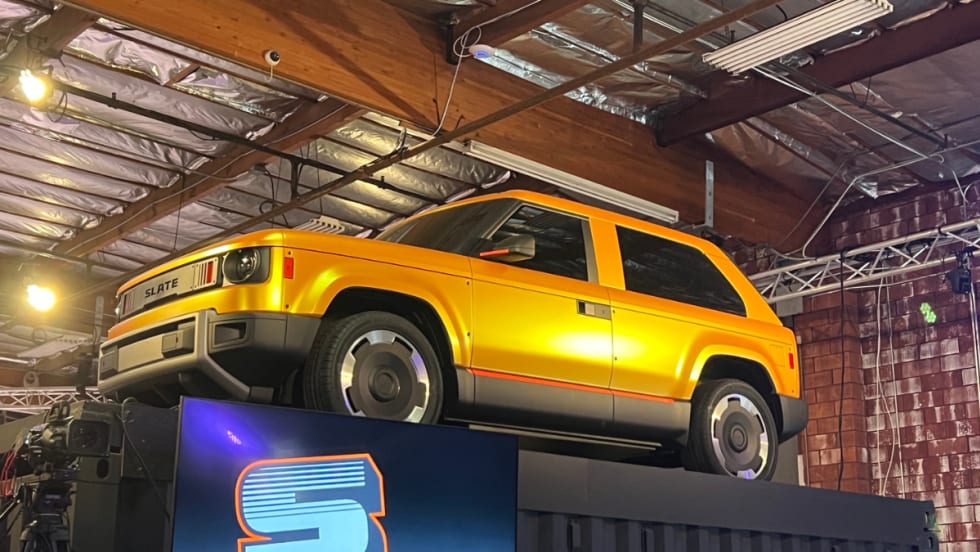
Slate Electric SUV, Pickup Switchable Model Aims For Light-Duty Fleets
Everything about this EV is counterintuitive and understated, making it stand out from the crowd.
Read More →
Inspiration Mobility Acquires Key Electrada Assets
Inspiration Mobility Group has acquired select assets of Electrada, adding the fleet electrification provider's team, technology, and charging infrastructure development capabilities to its energy management business.
Read More →
Turning Connected Vehicle Data Into Decisions That Matter
Fleet leaders have more data than ever, but turning that data into clear, actionable decisions remains a challenge. This white paper shows how leading organizations are using connected vehicle data to improve safety, reduce costs, and optimize fleet performance. Learn how to turn insight into action across your fleet.
Read More →