




Ind. DOT Halts Propane Autogas Use Amid Energy Crisis
The Indiana Department of Transportation (INDOT) will continue filling its bi-fuel propane autogas trucks with gasoline through March 1 to help residents coping with the propane shortage in the region.
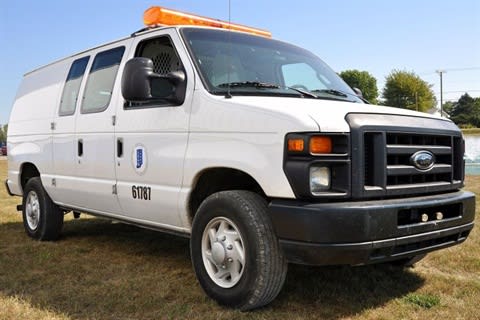
Photo of bi-fuel van courtesy of INDOT.
The Indiana Department of Transportation (INDOT) will continue filling its bi-fuel propane autogas trucks with gasoline through March 1 to help residents coping with the propane shortage in the region.
Gov. Mike Pence directed INDOT to implement the practice on Jan. 23, as harsh winter weather and a propane infrastructure glitch dried up supplies in Indiana, Michigan, Wisconsin, and Nebraska. Nearly 10 percent of Indiana's residents use propane to heat their homes.
The state transportation agency stopped filling its 580 light duty bi-fuel trucks with propane autogas at that time, a spokesman for Gov. Pence told Government-Fleet.com. The fuel is dispensed in liquid form.
Gov. Pence declared an energy emergency in the state on Jan. 29. The U.S. Department of Transportation also issued a regional order for the Midwestern and Eastern regions that would allow transporters to move propane more freely.
Propane autogas is derived from propane, and tends to fluctuate in price during peak usage periods as more propane is used for residential heating. Vehicle fleets are considered "baseload" users because their fuel consumption is consistent and less tied to weather-related price spikes, said Tucker Perkins, chief business development officer with the Propane Education & Research Council.
"Our industry is counting on baseload like autogas to create the demand to drive the investment," Perkins said. "The problem is not a baseload customer. It's the heating-intensive peak users."
Cold weather in the Midwest and East led to record-high natural gas and propane storage withdrawals, challenges that stem from the October harvest of an unusually wet crop of grain and corn. As a result, a large amount of propane was needed to dry the crop before storage.
At the time, the Cochine pipeline, which provides 40 percent of the propane used by Minnesota suppliers, was shut down for repairs. Increasing global demand for propane — 20 percent of U.S. propane was exported in 2013 compared with 5 percent in 2008 — also caused the shortage, according to the Natural Propane Gas Association.
More Green Fleet

Merchants Fleet Reports 290M EV Miles as Fleets Navigate Changing Electrification Market
From millions in operating savings to hundreds of millions of EV miles, Merchants Fleet’s latest report reveals what’s working and what’s changing in fleet electrification.
Read More →
The EV Breakdown Nobody's Talking About: Why Most Electric Vehicle Roadside Calls Aren't Mechanical Failures
Here's why EV breakdowns are widely misunderstood.
Read More →
ChargePoint Now Available in Energy Pass
ChargePoint and additional planned charging network integrations were added to GM's Energy Pass.
Read More →

First Look: Slate Auto's Electric Fleet Pickup
Could an affordable, modular EV pickup make electrification more practical for fleets?
Read More →
Slate Debuts Colorful, Unique EV Models
A recent media and client event, studded with electric vehicles dressed up on platforms, planted a new position for the manufacturer in the wider EV market. Fleets will find cost-saving advantages.
Read More →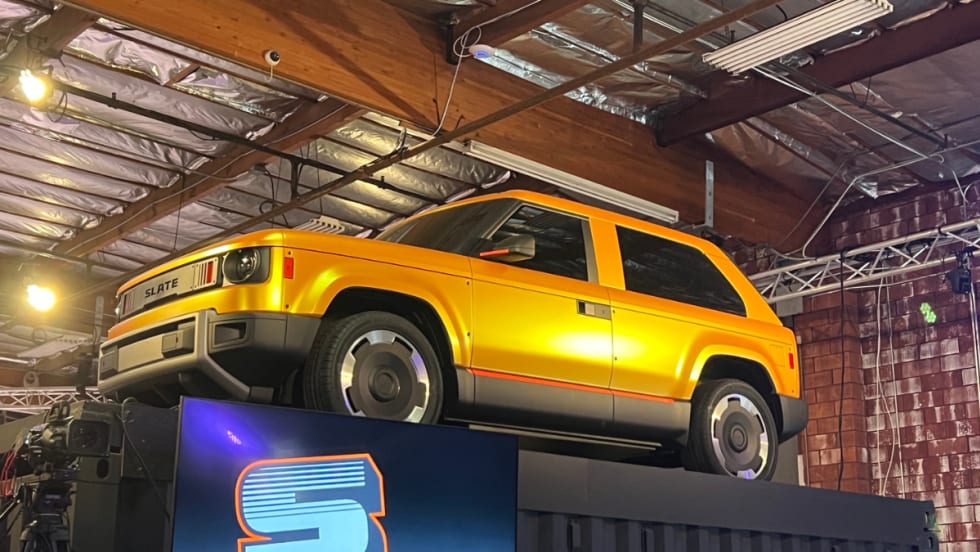
Slate Electric SUV, Pickup Switchable Model Aims For Light-Duty Fleets
Everything about this EV is counterintuitive and understated, making it stand out from the crowd.
Read More →
Inspiration Mobility Acquires Key Electrada Assets
Inspiration Mobility Group has acquired select assets of Electrada, adding the fleet electrification provider's team, technology, and charging infrastructure development capabilities to its energy management business.
Read More →
Turning Connected Vehicle Data Into Decisions That Matter
Fleet leaders have more data than ever, but turning that data into clear, actionable decisions remains a challenge. This white paper shows how leading organizations are using connected vehicle data to improve safety, reduce costs, and optimize fleet performance. Learn how to turn insight into action across your fleet.
Read More →
Are You Tracking Your Fleet's True Total Cost of Ownership?
Bobit Business Media surveyed 190 fleet professionals and found that while most fleets are tracking costs, fragmented systems and data gaps are keeping true TCO visibility out of reach. With rising pressure to control spend in an increasingly volatile environment, the gap between what fleets think they know and what the data actually shows is wider than you might expect. See how your peers are managing costs today and where the industry still has room to improve.
Read More →