




Incentives Offered for Refueling Natural Gas Vehicles at Home
LOS ANGELES – The Southland's air quality agency approved financial incentives for consumers interested in driving natural gas vehicles and refueling them from the convenience of their own homes.
LOS ANGELES – The Southland’s air quality agency approved financial incentives for consumers interested in driving natural gas vehicles and refueling them from the convenience of their own homes. “Natural gas vehicles are one of the cleanest options available today,” said Barry Wallerstein, executive officer of the South Coast Air Quality Management District (SCAQMD). “We believe the convenience of home refueling will make driving a natural gas vehicle a lot more appealing to consumers.” SCAQMD’s governing board approved $400,000 in incentives to assist consumers with the cost of purchasing or leasing a new natural gas home refueling appliance, developed by FuelMaker Corp. of Toronto. SCAQMD’s incentive will match funding recently approved by the Mobile Source Air Pollution Reduction Review Committee (MSRC). "The MSRC has a long history of supporting the development of natural gas fueling stations to serve the growing fleet vehicle market," noted Gwenn Norton-Perry, chair of the MSRC. "Now, with the option of home refueling, we have the opportunity to greatly expand individual consumer interest in a clean, affordable alternative to gasoline vehicles." The refueling appliance - marketed under the name “Phill” - is expected to cost about $3,500. Incentive funding offered by SCAQMD and the MSRC will total $2,000 per unit for a total of 400 units, lowering the cost of each unit to $1,500 for the consumer. Installation of a unit costs an additional $1,000 to $2,000. Driving a compressed natural gas (CNG) vehicle can cut fuel costs in half. On average, fueling a CNG passenger vehicle will cost about 4 cents per mile compared with 8 cents per mile for a similar gasoline vehicle. The refueling unit is a small, compact gas compressor capable of providing convenient overnight home refueling for CNG vehicles. The appliance is safe, lightweight, and can deliver 3,000 or 3,600 lbs. per square inch gauge (psig) of natural gas. The home appliance is available through FuelMaker and American Honda. SCAQMD and MSRC jointly will provide funding to FuelMaker for 100 units, available for purchase, and to American Honda for 300 units, available for lease. FuelMaker’s purchasing plan targets consumers who currently drive a CNG vehicle and Honda’s leasing plan targets new buyers or existing owners of a Honda Civic GX. SCAQMD co-sponsored the development of the home refueling appliance through funding awarded by its governing board in 2001 and 2002. FuelMaker will be responsible for installation of the home refueling appliance. Mobile sources account for more than 70 percent of the air pollution emissions in the four-county area. Natural gas vehicles are one of the cleanest vehicles available and can emit 15 times less smog-forming nitrogen oxides than a comparable gasoline vehicle. Fleet operators and some private motorists currently drive thousands of natural gas vehicles and fill them up at one the Southland’s approximately 75 existing natural gas fueling stations. For information on how to purchase the home refueling appliance, consumers can contact FuelMaker at 1-866-MY-PHILL or www.myphill.com/. To lease the home refueling appliance from American Honda, consumers can visit a Honda dealership in the four-county area.
More Fuel
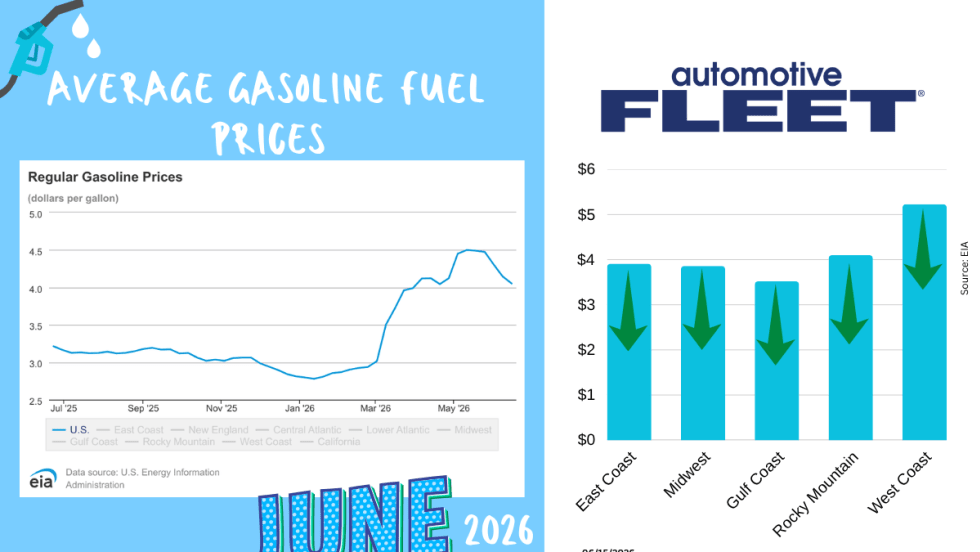
June Fuel Update: Prices Fall Below $4
Drivers are finally getting some relief at the pump. The national average gas price has dropped below $4 a gallon for the first time in months, with prices falling in 47 states as oil markets react to developments in U.S.-Iran negotiations.
Read More →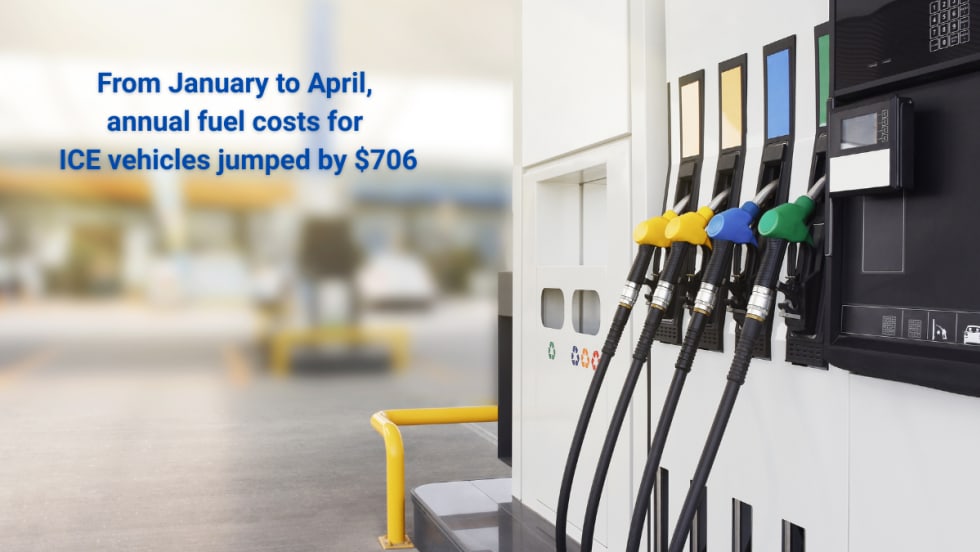
Study: How 2026's Gas Price Hikes Affect Different Vehicle Types
New data from iSeeCars reveals how rising fuel costs have affected different vehicle segments as gasoline prices climbed nearly 46% over the past four months.
Read More →
Are You Tracking Your Fleet's True Total Cost of Ownership?
Bobit Business Media surveyed 190 fleet professionals and found that while most fleets are tracking costs, fragmented systems and data gaps are keeping true TCO visibility out of reach. With rising pressure to control spend in an increasingly volatile environment, the gap between what fleets think they know and what the data actually shows is wider than you might expect. See how your peers are managing costs today and where the industry still has room to improve.
Read More →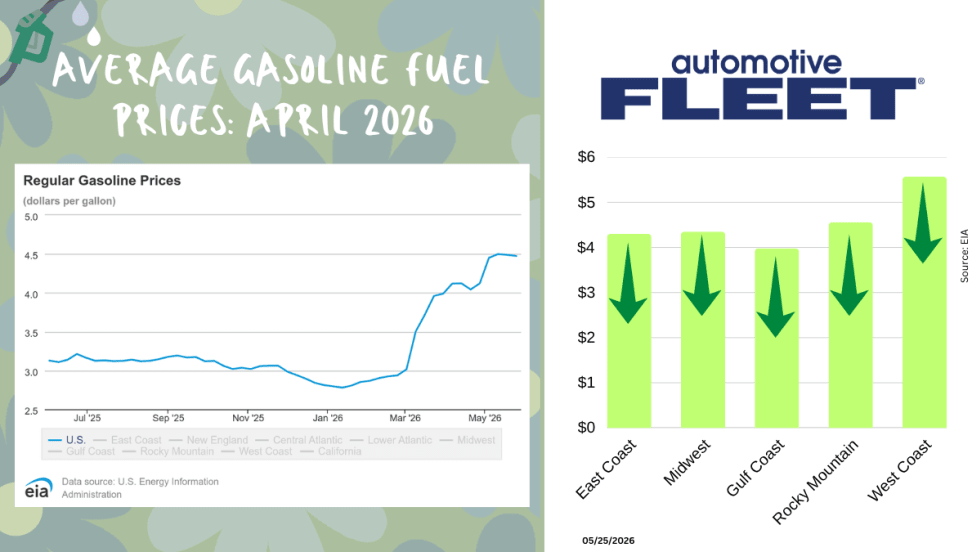
May Fuel Update: All Regions Experience Declines
Gas prices are finally easing in much of the country, but experts warn global tensions could quickly reverse the trend as the national average remains well above last month’s levels.
Read More →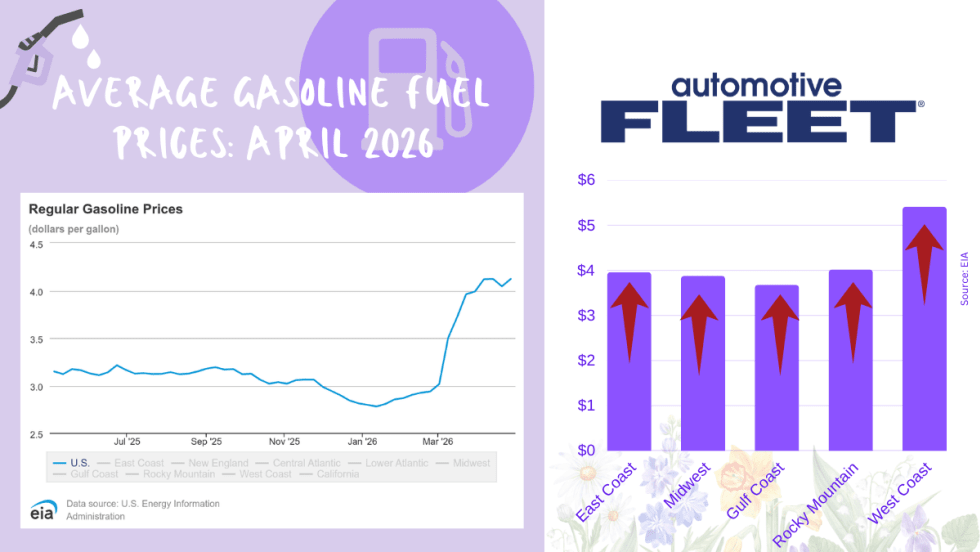
April Fuel Update: Prices Climb Above $4 as Spring Surge Accelerates
National average jumps to $4.04 per gallon, up sharply from last year, with West Coast prices topping $5 and further increases expected amid rising oil tensions.
Read More →
Tips from Fleet Managers on Saving Fuel Costs
Fleet leaders share practical strategies to reduce fuel spend through smarter policy, routing, and driver guidance.
Read More →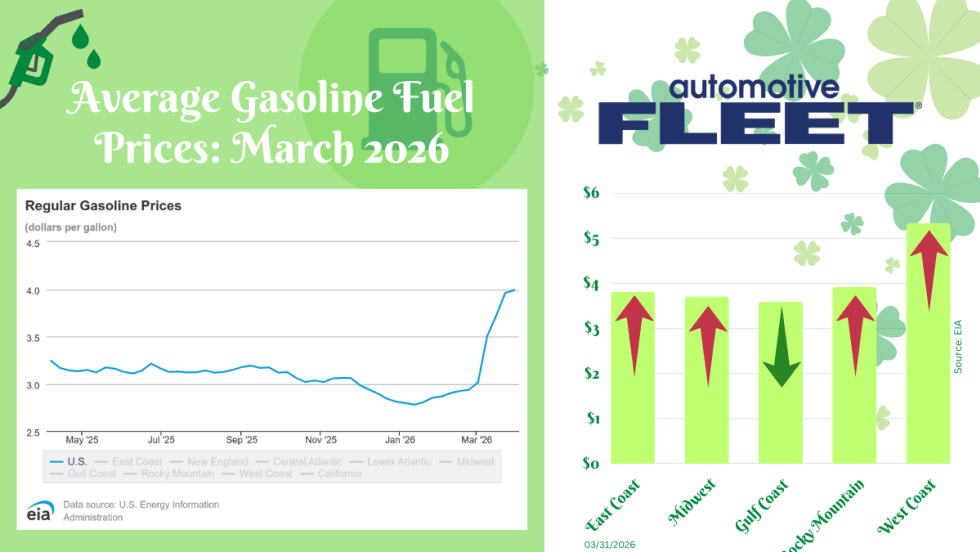
March Fuel Update: Prices Settle With a $4 Average
Fuel prices significantly slowed this week, but a $4 national average is still expected.
Read More →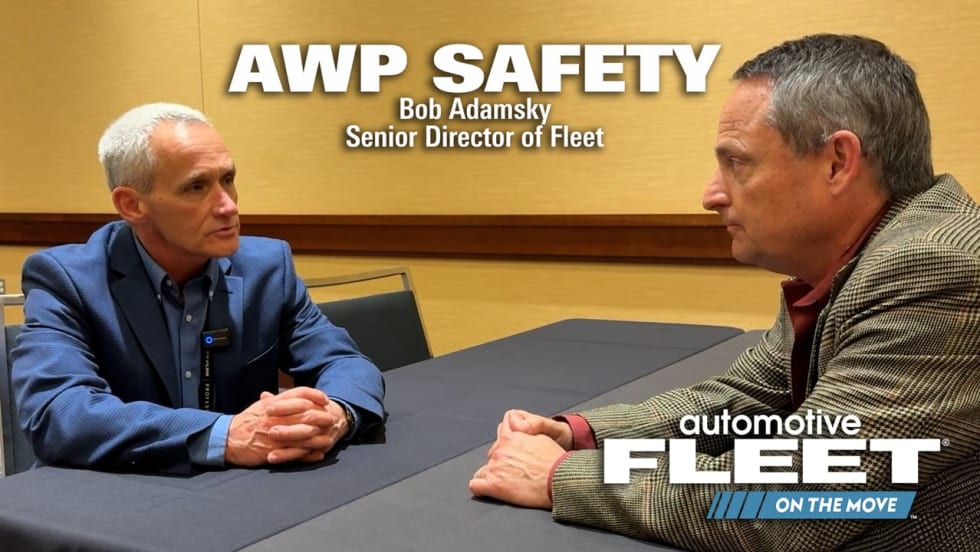
Bob Adamsky on Fuel Volatility: “Don’t Panic — Have a Plan”
With oil prices rising again, AWP Safety’s fleet manager shares how to respond to rising fuel costs and how the right strategy can turn fuel spikes into cost-saving opportunities.
Read More →
Oil Market Turbulence Is Complicating Fleet Cost Planning
Rapid swings in crude oil prices driven by the conflict in the Middle East could create longer-term cost pressures for fleets, affecting fuel prices, supply chains, and vehicle strategy, says NTEA’s Andrew Wrobel.
Read More →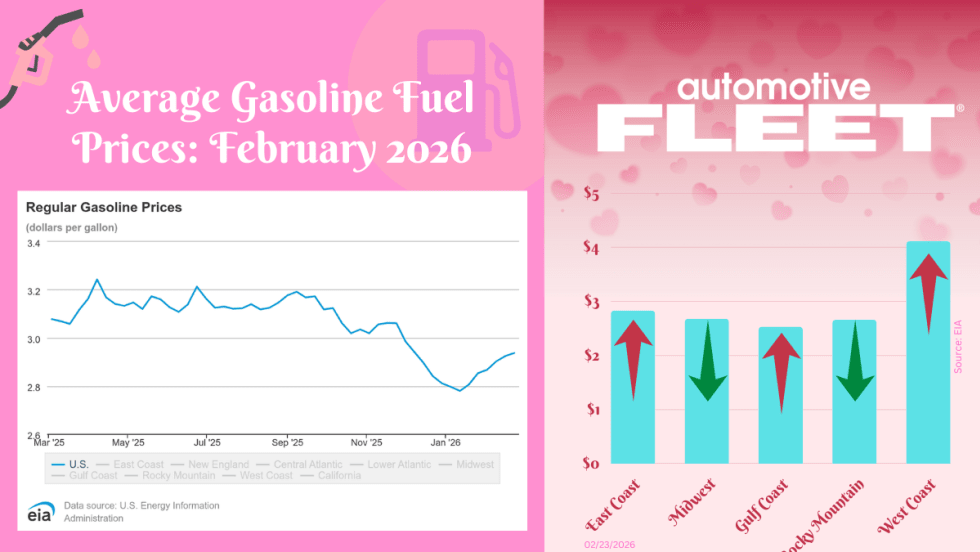
February Fuel Update: Prices Inch Higher for Third Week in a Row
The final February fuel update reveals prices continuing to inch higher for the third week in a row.
Read More →