




In Memoriam: Joe Vittoria, Former Avis CEO
In addition to Avis, Vittoria served in a global role at Hertz. After car rental, he developed a line of sailing superyachts.

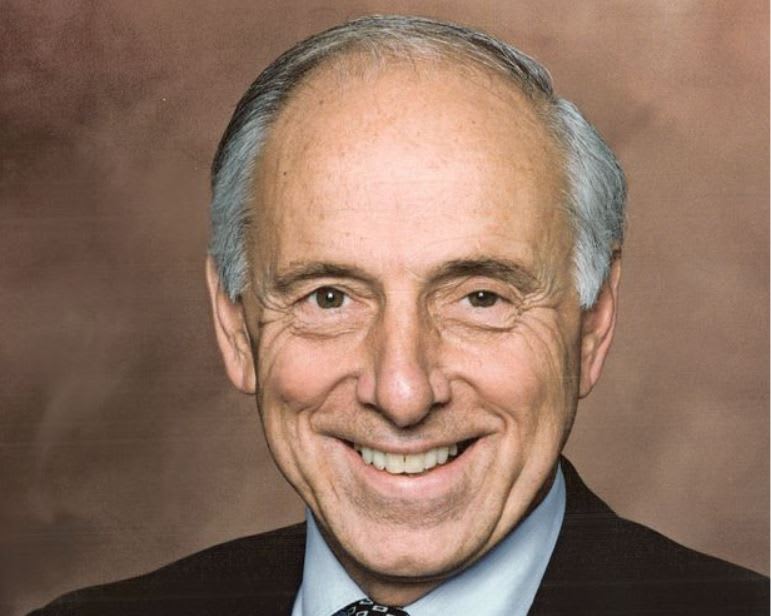
During his time as CEO of Avis, Vittoria implemented a successful Employee Stock Ownership Plan (ESOP).
Photo courtesy of the Vittoria family.
Joseph Vincent Vittoria, former chairman and CEO of Avis Rent-A-Car, died on January 18 at his home after battling leukemia. He was 85.
Born in Glen Cove, N.Y., Vittoria grew up in nearby Sea Cliff and had a passion for sailing. After graduating with a degree in civil engineering from Yale University, Vittoria earned his MBA degree at Columbia University. He started his car rental career at Hertz Rent A Car in Rome. He married his wife Luciana and they had three of their four children while living in Italy.
Then Vittoria took a job with Avis Rent-A-Car and was transferred to London. Several years later, he and his family moved to New York City where he was promoted into a new global role at Hertz. In 1980, his family settled in Greenwich, Conn.
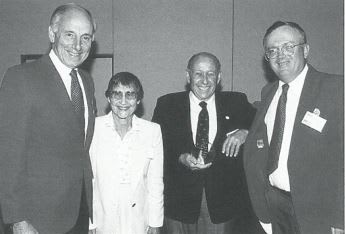
In this photo from an early 90's Avis Licensee Association meeting, Vittoria (left) congratulates longtime Avis licensee Jay Weinberg (holding trophy) for winning the "We Try Harder Award." Weinberg is flanked by his wife and Avis Licensee Association Director Bob Kline.
Photo courtesy of Avis Licensee Association.
He was then lured back to Avis where he eventually became CEO. During his time as CEO of Avis, he implemented a successful Employee Stock Ownership Plan (ESOP).
After retiring from car rental, Vittoria founded Travel Services International, a public company that changed the traditional distribution system in the travel industry. He sold it in 2000 to a British travel company. In 2000, Vittoria became an investor and chairman of Puradyn Filter Technologies, Inc., becoming CEO in 2006.
Vittoria also developed a line of sailing superyachts called the Mirabellas. In 2004, he launched the Mirabella V, a sailing yacht with the tallest single mast. His wife Luciana ran the yacht business out of their home in Palm Beach, Fla., while Vittoria sat on Columbia Business School’s Board of Overseers and served on a presidential commission under Ronald Reagan in the ‘80s.
He is survived by his wife Luciana, his four children and their spouses, 11 grandchildren, and his brother Jerome.
Originally posted on Auto Rental News
More Operations

A buyer's guide to fleet management software in 2027
Buying fleet management software in 2027 means looking beyond features and price. As fleet operations, technology and expectations evolve, this guide explores what today’s fleet professionals should consider when choosing a system that can deliver value now and adapt to what comes next.
Read More →
What Will Shape the Next Era of Fleet Management?
EVs, AI, and autonomous vehicles are reshaping fleet management. Discover what’s ahead—and how fleet leaders can prepare for the next era.
Read More →
How Fleets Can Recruit and Train Veterans for Technician Roles
Here's how the technician shortage has affected uptime for fleets, and what to do about it.
Read More →

Avis Budget Group Deploys Neology Toll Management Technology Across Major Brands
Neology’s neoFleet platform will manage toll transactions and toll-authority operations for vehicles across Avis, Budget, Payless, Budget Truck and Zipcar.
Read More →
Fleet Personal-Use Charges Edge Higher in 2026
Nearly eight in 10 surveyed fleets allow personal use of company vehicles, while just over half of respondents report charging employees for the privilege.
Read More →
The Future of Fleet + What’s Changing Right Now | AF News Recap
Could developments overseas offer a preview of what’s coming for U.S. fleets? This week, we’re looking at the future of AI, autonomy, and electrification, plus Ford Pro’s new certified pre-owned program, smarter vehicle offboarding, and a new way for fleets to manage toll expenses.
Read More →
How to Handle Vehicle Offboarding
What do fleet managers need to do when a driver leaves?
Read More →
Fleet Manager’s Ultimate Playbook: Navigating the New Standard in OEM Connectivity
Rising operating costs, driver safety concerns, and unplanned downtime are putting unprecedented pressure on modern fleets. Discover how fleet managers use embedded OEM connectivity and real-time vehicle data to cut TCO, prevent downtime, and protect drivers without aftermarket telematics hardware.
Read More →
U.S. Bank Adds Verra Mobility Toll Management to Voyager Fleet Platform
The integration allows U.S. Bank Voyager fleet customers to manage toll payments and violations alongside fuel, EV charging and maintenance expenses.
Read More →
ADAS Prevents Crashes. But Repairs Cost More | AF News Recap
ADAS-equipped vehicles may crash less often, but they can cost more when they do. This week, we’re breaking down what that tradeoff means for fleets, plus Subaru’s first Forester Wilderness Hybrid, Nissan’s new e-POWER Rogue, and why Calstart has become Catalyst Mobility.
Read More →