




Hyundai Unveils Hydrogen-Powered Tucson SUV
NEW YORK – Hyundai Motor Co.'s fuel-cell electric vehicle (FCEV) program took a major step forward with the North American announcement of its second-generation fuel-cell vehicle — the Tucson FCEV. A replica Tucson FCEV display vehicle, which made its world debut at the 2004 Geneva Auto Show, was shown at the recent New York International Auto Show.
Code-named FJM by its developers, the Tucson FCEV will feature an extended driving range, plus cold-weather-starting capability. It will incorporate numerous technical advances including a higher output fuel cell and a new lithium ion polymer battery.
Built with lightweight aluminum body components, the Tucson FCEV has a power-to-weight ratio similar to that of a conventional SUV. It also features low noise levels and a roomy cabin offering the same level of comfort and convenience as its gasoline-powered sibling.
Unlike the Santa Fe FCEV, the Tucson Fuel Cell program has been running a parallel path with the conventional Tucson, providing fully digitized engineering data from the earliest stages. The Tucson FCEV's power plant has been relocated under the front hood, unlike its predecessor, which featured an under-floor installation. In addition, the Tucson FCEV will be capable of starting and operating in sub-zero temperatures.
Marginally lighter than its predecessor, the Tucson FCEV also gets five more kW of power for a peak output of 80kW. Its maximum speed is rated at 150km/h (93 mph) compared to the Santa Fe's 124km/h (77 mph).
More Fuel

October Fuel Trends Show Diverging Gasoline and Diesel Prices
Get the latest fuel trends from October.
Read More →
Fuel Prices Surge in September | September Fuel Update
September brought major fuel price swings, including diesel crossing $6 a gallon. Here’s how gas and diesel prices changed throughout the month, and where they stood heading into October.
Read More →
Turning Fleet Payment Data into Executive Insights
Ramel Lindsay of U.S. Bank Voyager discusses how fleets can transform payment and transaction data into actionable intelligence to reduce costs, improve oversight, and support executive decision-making.
Read More →
Why the IRS Raised Its Mileage Rate in the Middle of 2026
Fuel-price volatility drove the rare increase to 76 cents per mile, the fifth midyear adjustment since 2000.
Read More →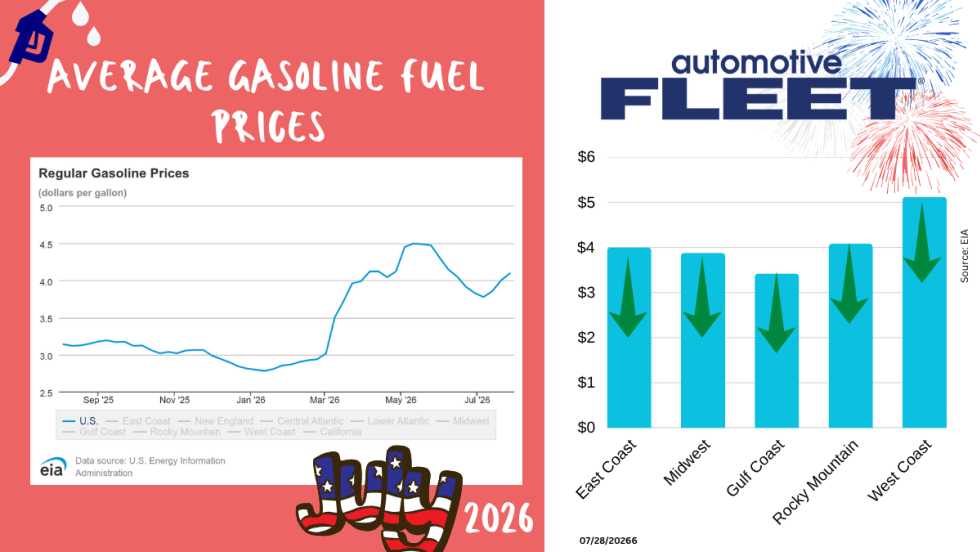
July Fuel Update: Prices Keep Rising in Light of More Conflict
Gas prices continue to rise as more and more conflicts do, too.
Read More →
Bob Adamsky on Fuel Volatility: "Don't Panic, Have a Plan."
When it comes to up and down fuel prices, Adamsky has a message for fleets: “Don’t panic.”
Read More →
How Fleets Can Gain Control of Non-Fuel Spend
Fuel often gets the spotlight, but non-fuel expenses can have a major impact on fleet costs. Ramel Lindsay of U.S. Bank Voyager discusses how fleets can gain better visibility and control over these often-overlooked expenditures.
Read More →
Fuel is Just the Start: How Middle East Tensions are Driving Up Fleet Maintenance Costs
The Middle East conflict is doing more than pushing up fuel prices. It’s also raising the cost of key maintenance products your fleet depends on, from motor oil to tires to windshield wipers. Here’s what you need to know about this budget-busting situation.
Read More →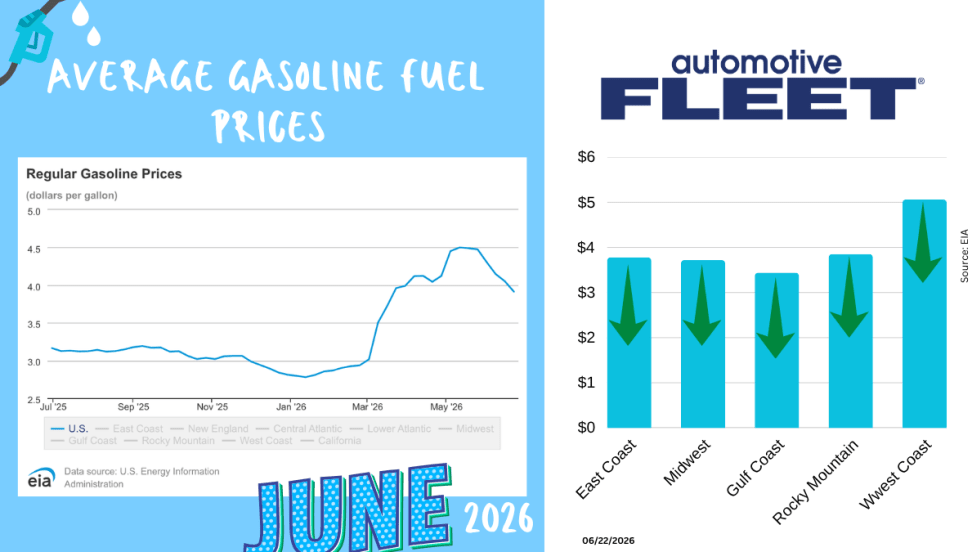
June Fuel Update: Prices Fall Below $4
Drivers are finally getting some relief at the pump. The national average gas price has dropped below $4 a gallon for the first time in months, with prices falling in 47 states as oil markets react to developments in U.S.-Iran negotiations.
Read More →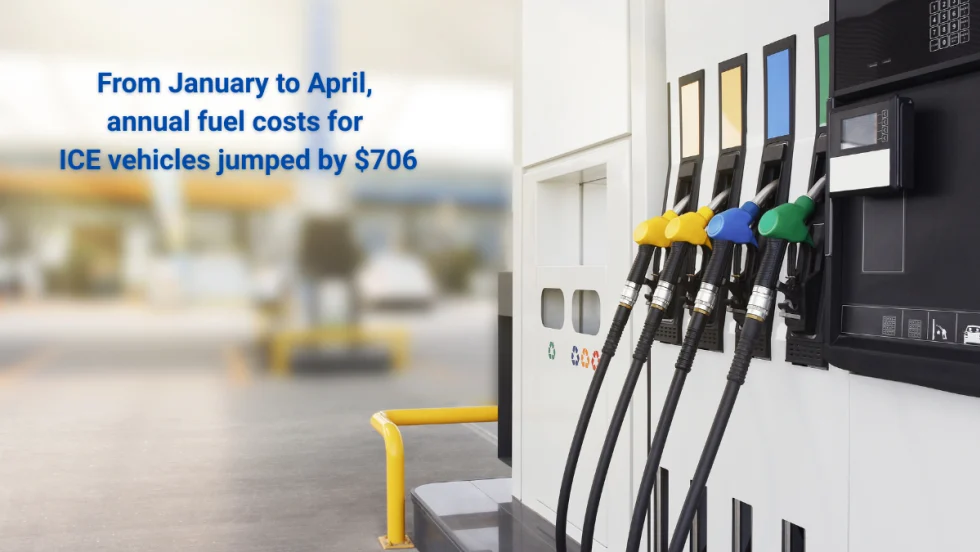
Study: How 2026's Gas Price Hikes Affect Different Vehicle Types
New data from iSeeCars reveals how rising fuel costs have affected different vehicle segments as gasoline prices climbed nearly 46% over the past four months.
Read More →