




Hyundai, Canoo to Develop Electric Platform for Future EVs
As part of the collaboration, Canoo will provide engineering services to help develop a fully scalable, all-electric platform to meet Hyundai and Kia specifications.
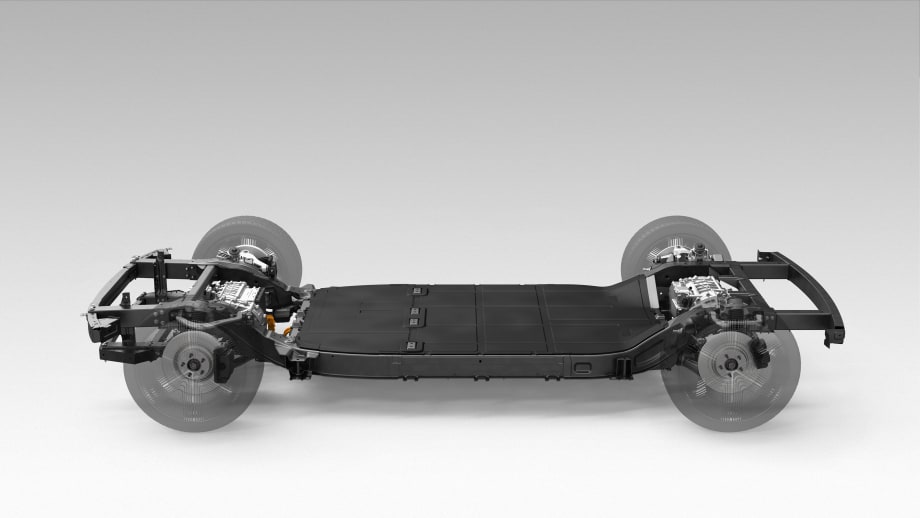
Canoo, a Los Angeles based company creating EVs for subscription only, offers a skateboard platform which houses the most critical components of the vehicle with a strong emphasis on functional integration, meaning all components fulfill as many functions as possible.
Photo via Hyundai.
Hyundai Motor Group and Canoo are working to jointly develop an electric vehicle (EV) platform based on Canoo’s proprietary skateboard design for upcoming Hyundai and Kia models.
As part of the collaboration, Canoo will provide engineering services to help develop a fully scalable, all-electric platform to meet Hyundai and Kia specifications. Hyundai Motor Group expects the platform to help facilitate its commitment to delivering cost-competitive electrified vehicles — ranging from small-sized EVs to purpose built vehicles (PBV) — that meet diverse customer needs.
Canoo, a Los Angeles based company creating EVs for subscription only, offers a skateboard platform which houses the most critical components of the vehicle with a strong emphasis on functional integration, meaning all components fulfill as many functions as possible. This feat of engineering reduces the skateboard size, weight, and total number of parts, which ultimately provides more interior cabin space and a more cost-effective EV offering. In addition, the Canoo skateboard is a self-contained unit that can be paired with any cabin design.
Hyundai Motor Group expects an adaptable all-electric platform using Canoo’s scalable skateboard architecture to allow for a simplified and standardized development process for Hyundai and Kia electrified vehicles, which is expected to help reduce cost that can be passed along
to consumers. Hyundai Motor Group also expects to reduce complexity of its EV assembly line, allowing for rapid response to changing market demands and customer preferences.
With this collaboration, Hyundai Motor Group doubles down on its recent commitment to invest $87 billion over the next five years to foster future growth. As part of this drive, Hyundai plans to invest $52 billion in future technologies through 2025, while Kia will invest $25 billion in electrification and future mobility technologies, aiming for eco-friendly vehicles to comprise 25% of its total sales by 2025.
Hyundai and Kia both recently announced plans to develop fully electric PBVs. Hyundai presented its first PBV concept as a key pillar of its smart mobility solution strategy at CES 2020 in January. At its CEO Investor Day on Jan. 14, Kia announced its plan to develop PBVs tailored for shared-service companies and logistics companies.
Canoo unveiled its first electric vehicle for subscription only on Sept. 24, 2019, just 19 months after the company’s founding in December 2017. Canoo’s proprietary skateboard architecture, which directly houses the batteries and electric drivetrain, has enabled Canoo to reimagine EV design in a way that challenges traditional automotive shape and functionality.
Canoo reached beta testing phase within 19 months of inception, and the company recently opened the waitlist for its first vehicle. Canoo’s first vehicle will launch in 2021, and is designed for a world in which transportation is becoming increasingly electric, shared, and autonomous.
More Fleet Forward

Fleet Forward Conference Introduces One-Day Passes for 2026
New one-day registration gives fleet professionals the flexibility to attend Tuesday, Wednesday, or Thursday, with passes available for $199 through Sept. 18.
Read More →
Vibe Coding: When Fleet Managers Become Software Builders
Five fleet professionals — none with programming skills — discuss how they’re using AI to build fleet solutions in-house and in a fraction of the time.
Read More →
Fleet Forward Conference Tackles Fleet Industry’s Growing Leadership Gap
This session will examine succession planning, knowledge transfer, and the skills the next generation of fleet leaders will need as veteran professionals leave the industry.
Read More →
2026 Fleet Manager of the Year Finalists Announced
Who are the 2026 Fleet Manager of the Year finalists?
Read More →
John Rossant to Deliver Opening Keynote at 2026 Fleet Forward Conference
The CoMotion founder will draw on developments across Europe, China, the Middle East, and other international markets to identify trends that could influence how U.S. fleets plan for the coming decade.
Read More →
How to Build Custom Fleet Tools With AI and Vibe Coding [Webinar]
A new Automotive Fleet webinar explores how fleet managers are using AI and vibe coding to automate routine work and create simple operational tools without traditional programming skills.
Read More →
Is Fleet Ready for Its New Disruptors?
Three emerging leaders from a corporate fleet, public fleet, and the automotive supply chain will bring new ideas and a willingness to challenge industry norms to the Fleet Forward Conference stage.
Read More →
NAFA Announces 2026 Fleet Safety Symposium Education Program
Register for NAFA’s Fleet Safety Symposium and save $200 on your Fleet Forward Conference registration.
Read More →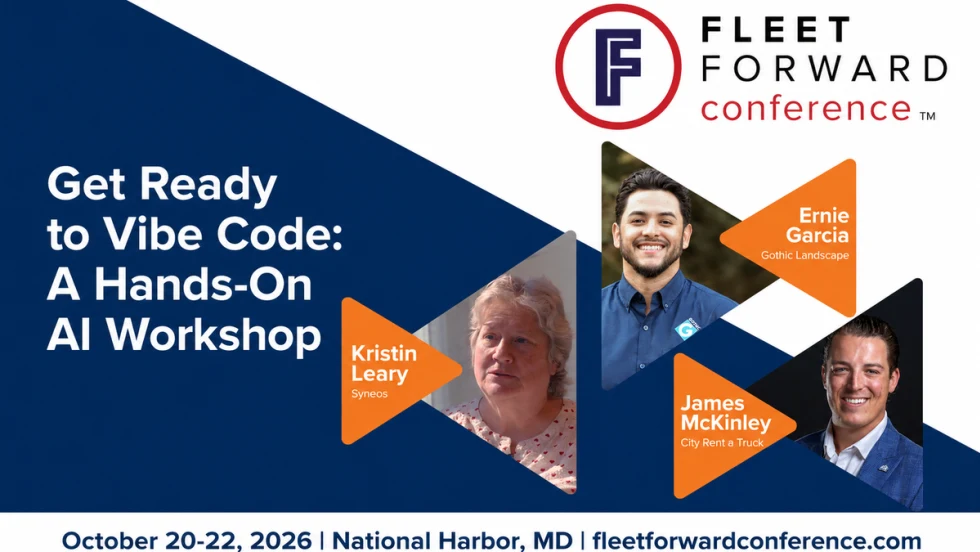
Fleet Managers Take the Lead in Hands-On AI Workshop at FFC
The fleet manager-led session will show how to use “vibe coding” to build practical fleet tools without a traditional programming background.
Read More →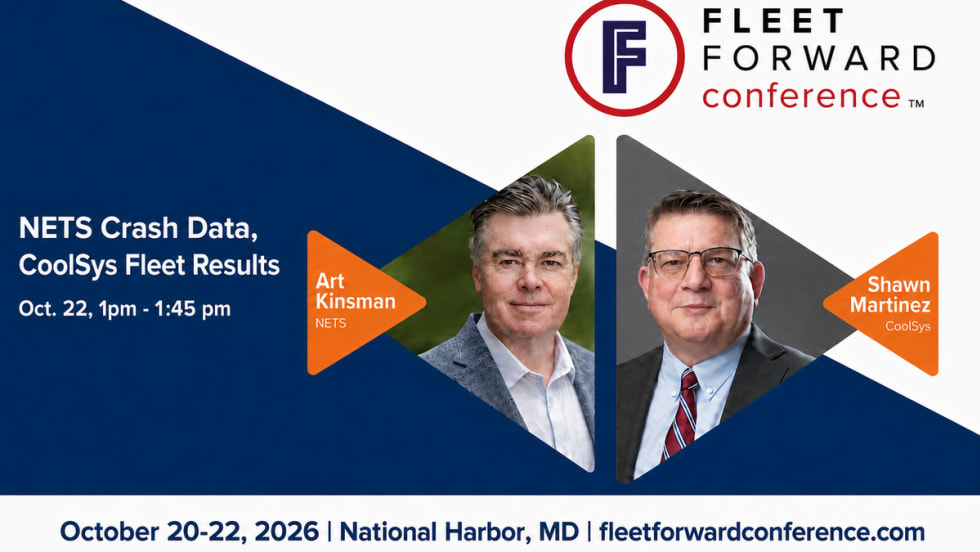
NETS Crash-Cost Data and CoolSys’ 80% Loss Reduction Take Center Stage at FFC
NETS will present findings from its latest Cost of Crashes research, then CoolSys safety leader and author Shawn Martinez will explain how the company built a safer driving culture across 3,500 employees.
Read More →