




One of the key issues in the hydrogen economy is how to store the gas in vehicles, and researchers at a small university in New York are looking at using ultra-thin glass spheres as a storage device that's cheaper, more reliable and safer than metal tanks, reported MSNBC on July 8. The miniature glass spheres, known as microspheres, "are a much safer method for transporting hydrogen," says Jim Shelby, project leader and professor of ceramic engineering at Alfred University in Alfred, N.Y. "Each tiny microsphere acts as its own pressure vessel. In an accident, they would not break and release a large quantity of hydrogen, as would the rupture of a big tank of gas," he adds. Instead, the spheres would just spill onto the ground, some possibly breaking into beads that would release minute amounts of hydrogen. Each microsphere is smaller than a grain of table salt, and that's exactly what makes it so strong. "Glass normally breaks due to the presence of very small flaws in the surface," says Shelby. Glass bottles and windows break because they are larger than the flaws, which are about one micrometer long. But since the wall thickness of the spheres is less than that, Shelby notes, "no such flaws can exist in the microspheres." At 50 micrometers in diameter and with a wall that's less than a micrometer thick, each microsphere contains a minute amount of hydrogen. But trillions can be bunched together to make for a sizeable storage system that weighs much less than a traditional heavy steel tank. Made of sand, the microspheres are very light, inexpensive, easily recycled "and can be repeatedly filled and refilled without degradation," he added.
Hydrogen Storage: The Future in Glass?
One of the key issues in the hydrogen economy is how to store the gas in vehicles, and researchers at a small university in New York are looking at using ultra-thin glass spheres as a storage device that's cheaper, more reliable and safer than metal tanks, reported MSNBC on July 8.
More Operations

Hybrids: Electrification Without the Challenges
For fleet managers, fuel is one of the biggest line items in the budget — and it's one hybrids can shrink without changing how your people work. Download the eBook to see the numbers, understand the technology, and get a step-by-step guide to making the switch.
Read More →
How NOV Uses Telematics to Improve Fleet Safety Across 160 Locations
James Victory of NOV discusses how the company manages fleet safety, maintenance, and telematics across more than 150 locations supporting oilfield operations throughout the U.S.
Read More →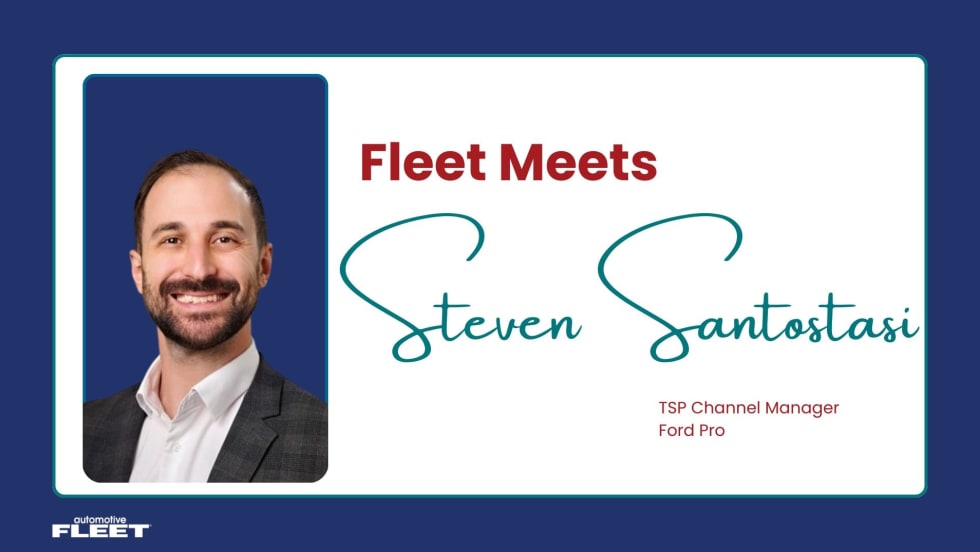
Fleet Meets: Steven Santostasi
This edition of the Fleet Meets series features Steven Santostasi, the current TSP channel manager for Ford Pro.
Read More →
Why Fleet Managers Are Replacing Departmental Vehicles with Shared Motor Pools
Departmentally assigned vehicles often create hidden costs through underutilization, poor visibility, and increased administrative burden. This white paper explores how shared motor pool strategies help fleets reduce costs, improve accountability, and optimize vehicle utilization.
Read More →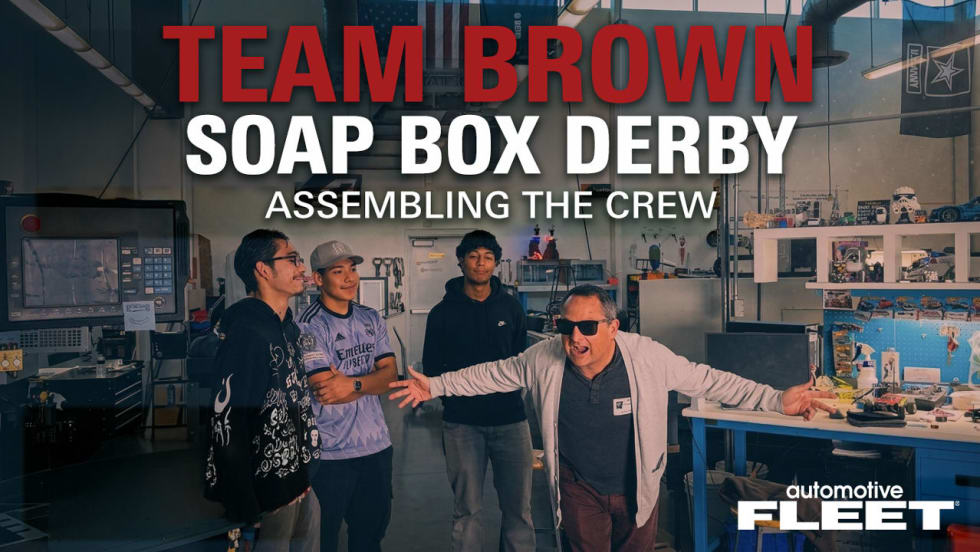
Soap Box Derby Challenge: Assembling the Crew
Meet Gabriel, Matthew, and Angel — the team helping bring this soap box derby build to life.
Read More →
BBL Fleet Acquires Velcor Leasing Corporation
BBL Fleet expanded its footprint in the fleet management industry with the acquisition of Velcor Leasing Corporation of Madison through a stock purchase agreement finalized Feb. 27, 2026.
Read More →
Lytx Introduces New AI Fleet Technologies at Protect 2026
The company introduced new AI-driven fleet safety and operations technologies during its annual user conference.
Read More →
Fleet Costs Are Rising: Here’s How Leaders Are Responding
Fleet leaders are under pressure to reduce costs, adapt to economic uncertainty, and make smarter decisions. See how peers across North America are responding with real data, proven strategies, and forward-looking insights. Download the 2026 Market Pulse Report to benchmark your strategy and uncover where you can gain an edge.
Read More →
From Waffle House to AI: Fleet Trends You Need to Know
In this AF news recap, host Faith Howell covers how Waffle House stepped up during disaster response and new AI tech on the market.
Read More →
Fleet Operations in the Age of AI: Navigating Ethical and Legal Challenges
AI is no longer a future concept for fleets—it’s already embedded in the tools, data, and decisions that operators rely on every day. In this episode of the Fleet Forward Podcast, recorded live at Fleet Forward, industry leaders take the conversation beyond hype to examine what responsible AI adoption really looks like in fleet operations.
Read More →